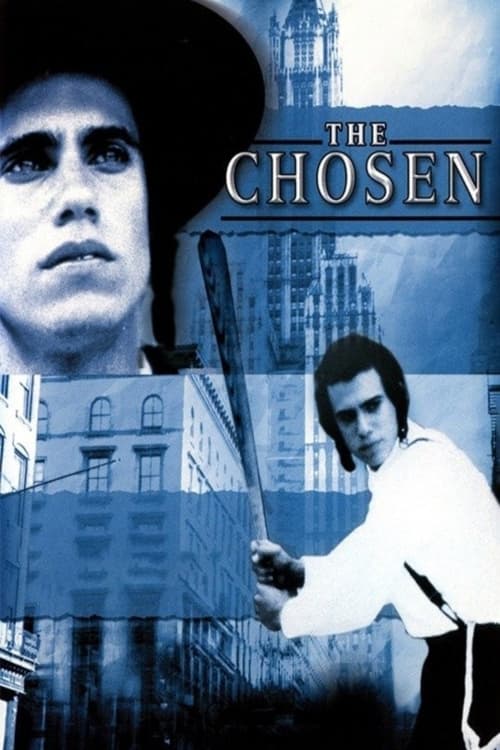
The Chosen
1981
No user ratings available yet
Representation score: 2.9 out of 10
Representation Score
Limited
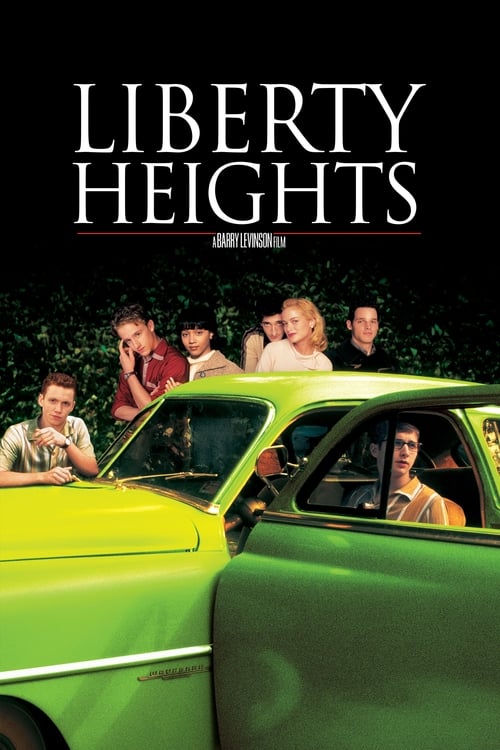
1999
RDirector
Barry Levinson
Runtime
127 minutes
Average Rating
No ratings yetNew Showbiz Analysis
Liberty Heights is a sophisticated period piece that uses a mid-century Baltimore setting to deconstruct American social structures. Its main strength lies in its exploration of race and religion, going beyond surface-level diversity to tackle systemic barriers. However, the film remains largely focused on male-driven narratives, often sidelining female characters to secondary roles. Despite the lack of LGBTQ+ and disability representation, the film offers a meaningful examination of the racial and religious tensions of the 1950s.
Category Breakdown
The film does not include any LGBTQ+ characters or non-straight relationships. It focuses on racial and religious tensions from the 1950s.
The story centers around male friendships and patriarchal family structures. Female characters play important roles but often fit within the context of the male experience.
The film challenges mid-century stereotypes by highlighting friendships among Black, Jewish, and Catholic individuals. It uses the Civil Rights Movement to critique racial divisions in Baltimore.
The narrative highlights religious and cultural norms as sources of conflict rather than stability. It examines the oppressive nature of segregated communities and systemic social hierarchies.
The film does not prominently feature characters with visible or invisible disabilities that drive the central narrative.
Present on Screen
Limited or Absent
Official Synopsis
This semi-autobiographical film by Barry Levinson follows various members of the Kurtzman clan, a Jewish family living in suburban Baltimore during the 1950s. As teenaged Ben completes high school, he falls for Sylvia, a black classmate, creating inevitable tensions. Meanwhile, Ben's brother, Van, attends college and becomes smitten with a mysterious woman while their father tries to maintain his burlesque business.
1981
1989
1990
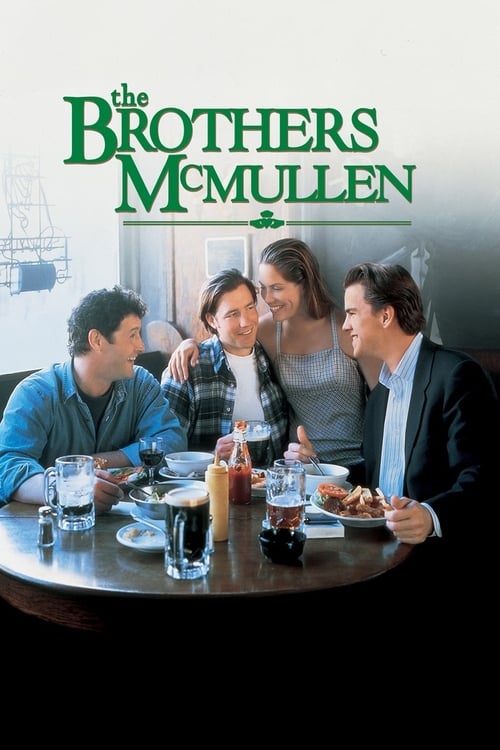
1995

1993
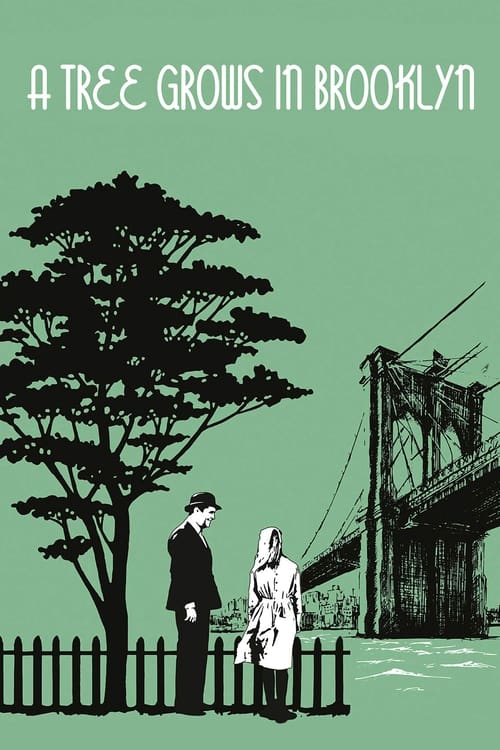
1945
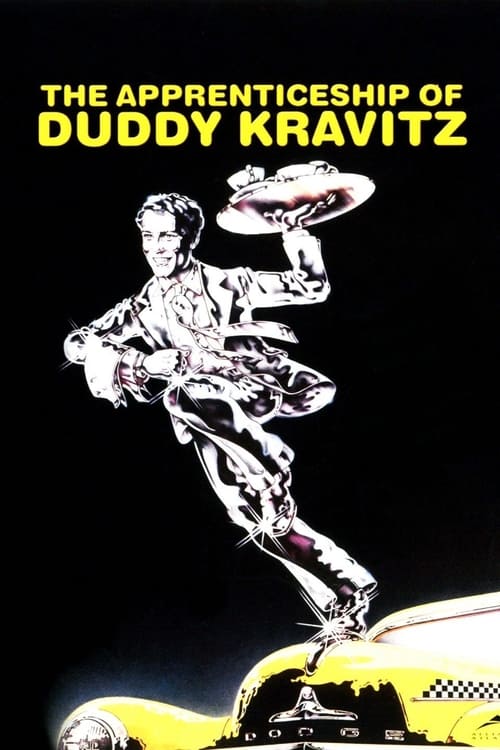
1974
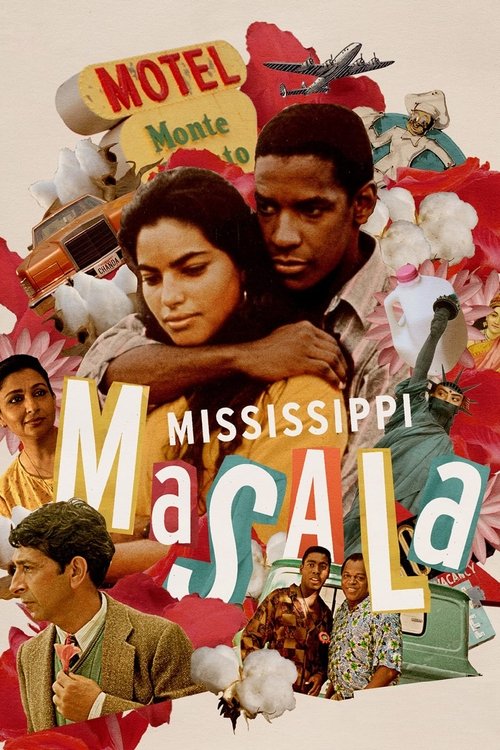
1991
No reviews yet. Be the first to share your thoughts on this movie!
Use the rating form above to leave a star rating and optional review.