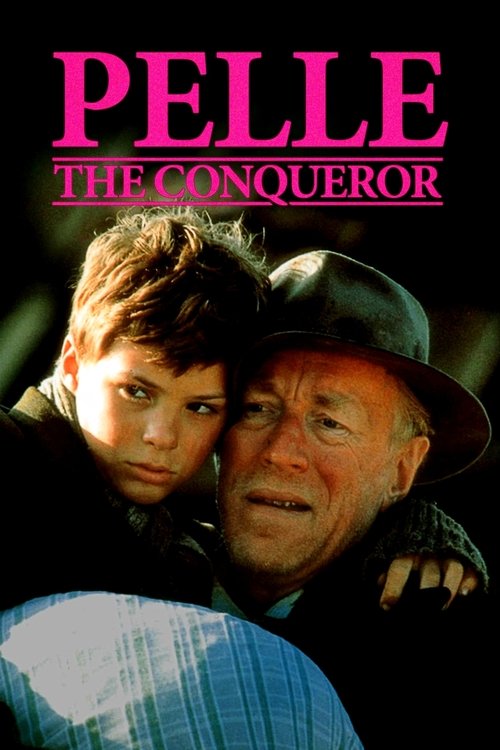
Pelle the Conqueror
1987
No user ratings available yet
Representation score: 3.9 out of 10

Representation Score
Fair
1990
PGDirector
Barry Levinson
Runtime
126 minutes
Average Rating
No ratings yetNew Showbiz Analysis
Avalon is a sophisticated study of cultural transition and the immigrant experience. It succeeds by providing a deep, authentic look into a specific ethnic community rather than relying on broad clichés. The film's strength lies in its ability to challenge monolithic narratives of assimilation. However, the film adheres to traditional social structures. It lacks representation of LGBTQ+ identities and maintains a focus on traditional family hierarchies. While women are depicted with nuance, the film does not actively seek to challenge patriarchal leadership. Ultimately, the film prioritizes communal identity and heritage over modern identity politics. It is a character-driven study of how socioeconomic shifts impact cultural preservation.
Category Breakdown
The film focuses on preserving traditional family lineages and the Jewish family unit. It does not include significant representations of LGBTQ+ identities or same-sex relationships.
Women are portrayed with nuance, emphasizing their roles in maintaining cultural cohesion. However, the narrative remains centered on traditional family hierarchies and patriarchal structures.
The film offers an authentic exploration of the Polish-Jewish immigrant experience. It avoids including someone from a minority group without giving them real depth by centering specific cultural nuances to drive the narrative.
The story examines the tension between American capitalism and Old World religious values. Religious institutions play a complex role in shaping identity throughout the film.
There are no prominent depictions of visible or invisible disabilities serving as central character arcs or plot devices.
Present on Screen
Limited or Absent
Official Synopsis
A Polish-Jewish family comes to the U.S. at the beginning of the twentieth century. There, the family and their children try to make themselves a better future in the so-called promised land.
1987
1971

1999

1945

1975

1999

2011

2003
No reviews yet. Be the first to share your thoughts on this movie!
Use the rating form above to leave a star rating and optional review.