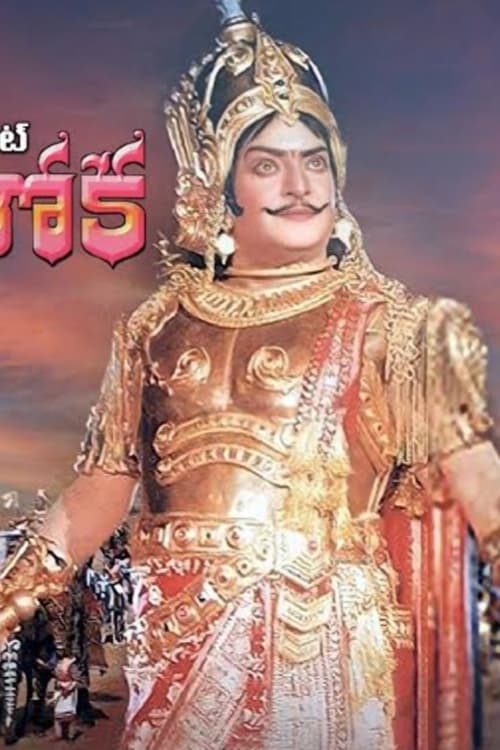
Samrat Ashoka
1992
No user ratings available yet
Representation score: 3.2 out of 10
Representation Score
Good
1990
Not RatedDirector
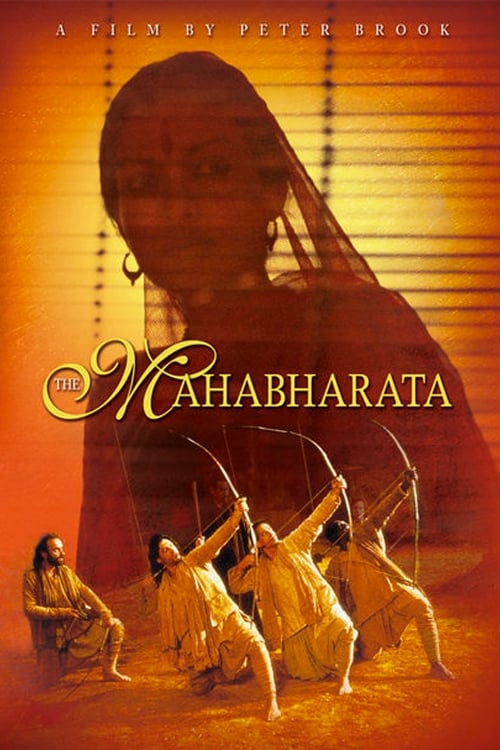
Peter Brook
Runtime
173 minutes
Average Rating
No ratings yetNew Showbiz Analysis
Peter Brook’s adaptation stands out as a landmark of cross-cultural storytelling, marked by its strong commitment to racial and ethnic authenticity. By using a predominantly South Asian cast, the film successfully avoids the trend of imposing Eurocentric aesthetics on Eastern epics. Although the film highlights powerful female characters, it remains tied to ancient social and religious hierarchies. The narrative focuses on maintaining the spiritual essence of the source material rather than questioning traditional institutions. Overall, the film is a sophisticated example of globalized cinema that honors its cultural roots while tackling the complexities of a vast, ancient philosophical text.
Category Breakdown
The story emphasizes family and dynasty within the traditional epic framework. It does not include characters with non-traditional gender identities or sexual orientations.
Key figures such as Draupadi and Kunti play important roles in driving the plot. However, their roles are often defined by their relationships to male characters within a patriarchal society.
The film features a predominantly South Asian cast, avoiding the issue of whitewashing. This casting choice upholds cultural authenticity and resists Western-centric norms.
The movie centers on religious traditions involving Krishna and the Bhagavad Gita. It reinforces traditional social and religious structures rather than challenging them with a modern perspective.
Characters with physical or sensory disabilities are portrayed as signs of fate or divine intervention. The film does not explore the lived experiences of individuals with disabilities or neurodivergence.
Present on Screen
Limited or Absent
Official Synopsis
Jealousy and hatred is what separates the Pandavas and Kauravas. The Kauravas fear the Pandavas are after the throne of their father. Yudhishthira of the Pandavas gets told by the deity, Krishna, that he will become king. A war is inevitable.
1992

1944

1979

1968
1956

1975
2009
1954
No reviews yet. Be the first to share your thoughts on this movie!
Use the rating form above to leave a star rating and optional review.