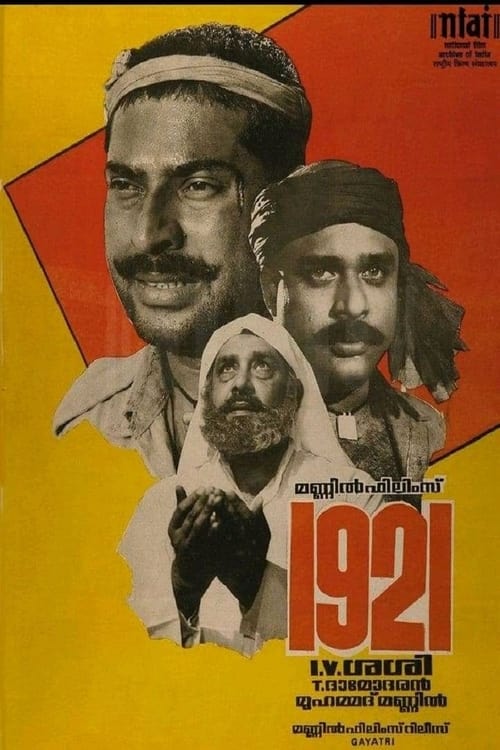
1921
1988
No user ratings available yet
Representation score: 3.7 out of 10
Representation Score
Limited
1992
UDirector
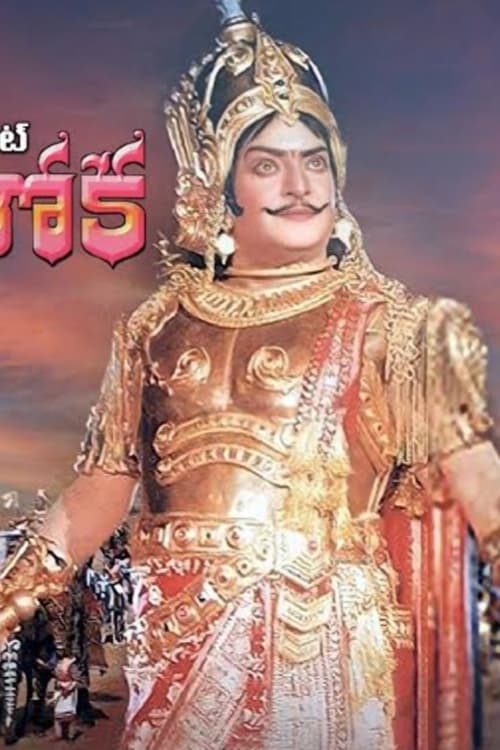
N.T. Rama Rao
Runtime
135 minutes
Average Rating
No ratings yetNew Showbiz Analysis
Samrat Ashoka is a historical epic that focuses on the spiritual evolution of the Mauryan Emperor. It succeeds in providing cultural authenticity by centering indigenous identities and Buddhist philosophy rather than Western-centric moralities. However, the film remains rooted in traditional structures. It adheres to patriarchal hierarchies and lacks representation of LGBTQ+ identities or diverse gender expressions. Ultimately, the film's impact comes from its thematic shift from conquest to pacifism. It offers a sophisticated look at the ethics of power, even while following conventional cinematic formulas.
Category Breakdown
The film follows a traditional historical framework and does not include any non-cisgender gender identities or narratives that challenge the assumption that everyone is straight or cisgender.
The narrative upholds a traditional patriarchal hierarchy fitting the Mauryan setting. While royal consorts have influence, they primarily operate within established gender roles.
The film showcases a predominantly South Asian cast, offering an authentic ethnic landscape. It centers on indigenous historical identities and the complexities of Mauryan social structures.
The story emphasizes Buddhist philosophy as its main ethical guide. It prioritizes non-Western spiritual values by shifting away from imperialist expansion towards a framework of spiritual peace.
There is no documented evidence showing the portrayal of visible or invisible disabilities within the film.
Present on Screen
Limited or Absent
Official Synopsis
The life story of emperor Ashoka.
1988
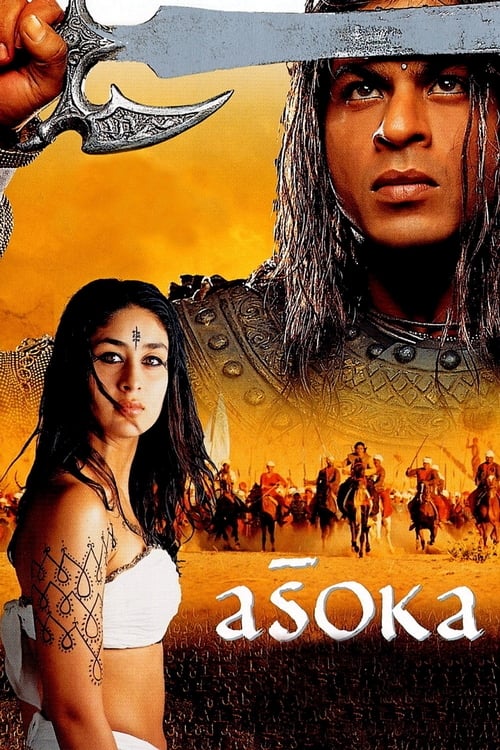
2001

2018
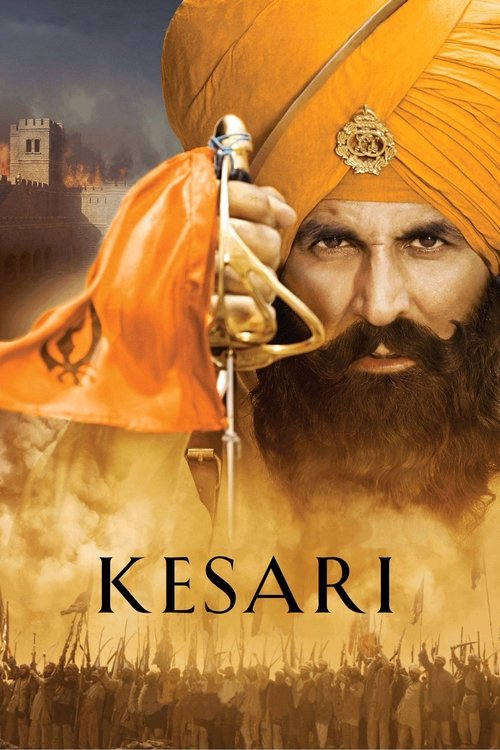
2019
2017

2013
2019

2007
No reviews yet. Be the first to share your thoughts on this movie!
Use the rating form above to leave a star rating and optional review.