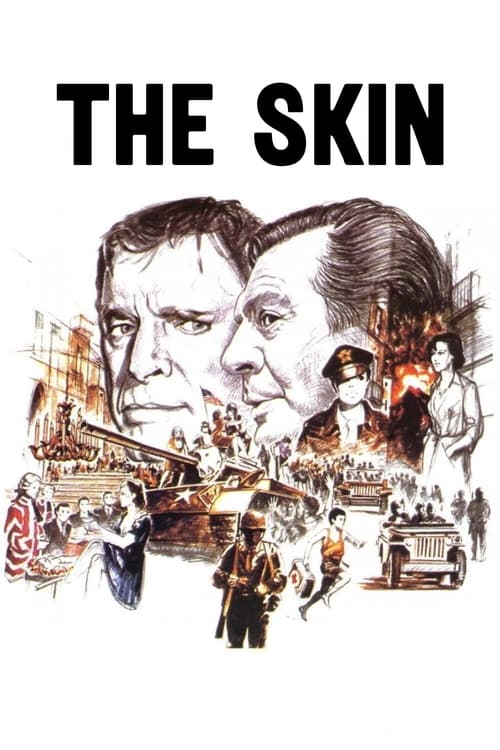
The Skin
1981
No user ratings available yet
Diversity score: 4.2 out of 10
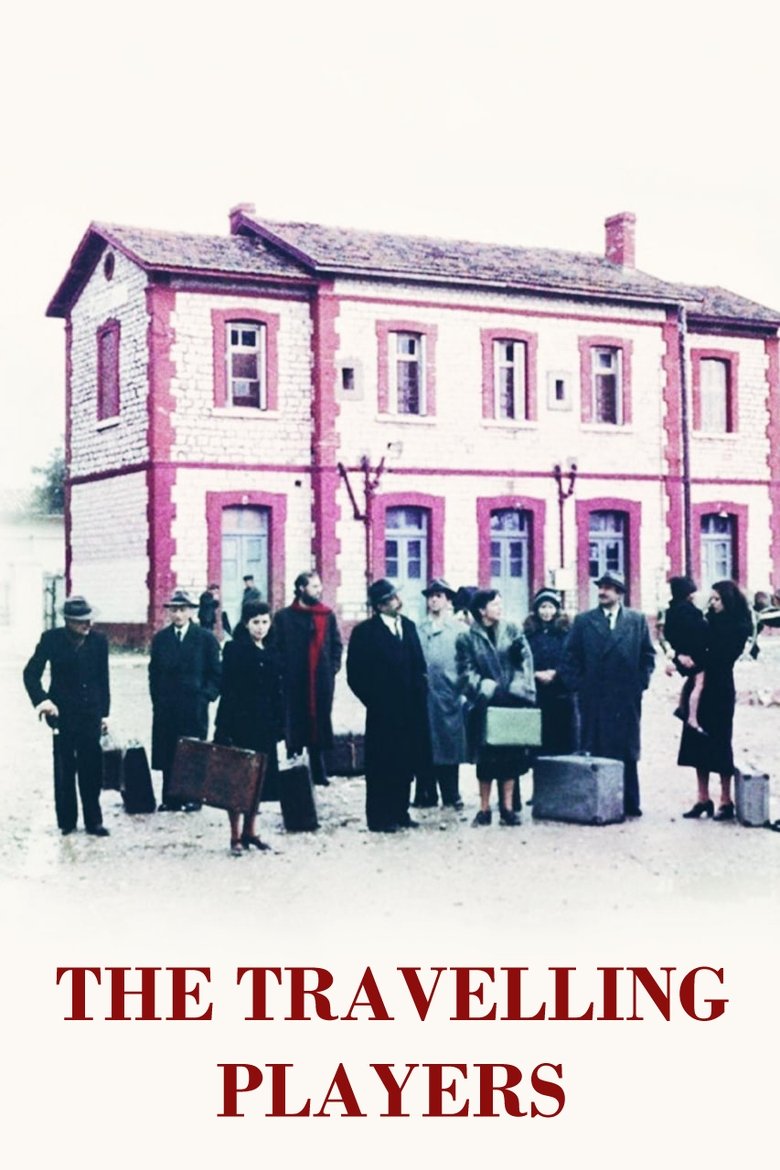
1975
Director
Theo Angelopoulos
Runtime
223 minutes
Average Rating
No ratings yetSynopsis
A traveling theatre troupe tours the Greek countryside from 1939 to the early 1950s, staging “Golfo the Shepherdess”. As the years pass, its members endure persecution, betrayal, executions, and exile. Their personal stories become entangled with the country’s major historical events, in a seemingly endless cycle of violence and loss.
Overall Score
Fair
Category Breakdown
LGBTQ+ Representation
The film focuses on a theatrical troupe within a traditional Mediterranean social framework. There is no evidence of non-cisnormative identities or same-sex intimacy, as the narrative prioritizes historical trauma and socioeconomic displacement.
Gender Representation
Gender roles are largely dictated by the necessity of survival in a fractured society. While the film avoids promoting submissive femininity, it lacks a concerted effort to center female agency or subvert patriarchal structures.
Racial & Ethnic Diversity
The story is a localized exploration of Greek identity and the countryside. It uses the traveling troupe as a metaphor for the displaced, presenting a fragmented experience rather than a monolithic national identity.
Religious & Cultural Diversity
The film offers a profound critique of Western institutional stability and authority. It depicts the breakdown of social structures, framing the state as a source of instability and suffering for the marginalized.
Disability Representation
Disability is presented incidentally through the physical toll of poverty and war. Characters show the exhaustion and trauma of displacement, but these are symptoms of systemic violence rather than individual agency.
Strengths
Areas for Improvement
AI Analysis
Theo Angelopoulos uses the journey of a traveling theatre troupe to deconstruct nationalistic myths and the stability of Western institutions. The film excels at portraying the systemic victimization of marginalized groups caught in the gears of history. However, the narrative's historical and localized focus limits its representation of specific identities. The preoccupation with socioeconomic displacement and war leaves little room for exploring queer identities or centering individual female empowerment. Ultimately, the film is a sophisticated critique of power structures. While it lacks diversity in individual identity categories, its thematic architecture challenges traditional certainties through the lens of a transient, non-institutional community.
1981
2017
1966
2024
1998
1975
2007
2008
1976

2004
1977
1995
No reviews yet. Be the first to share your thoughts on this movie!
Use the rating form above to leave a star rating and optional review.