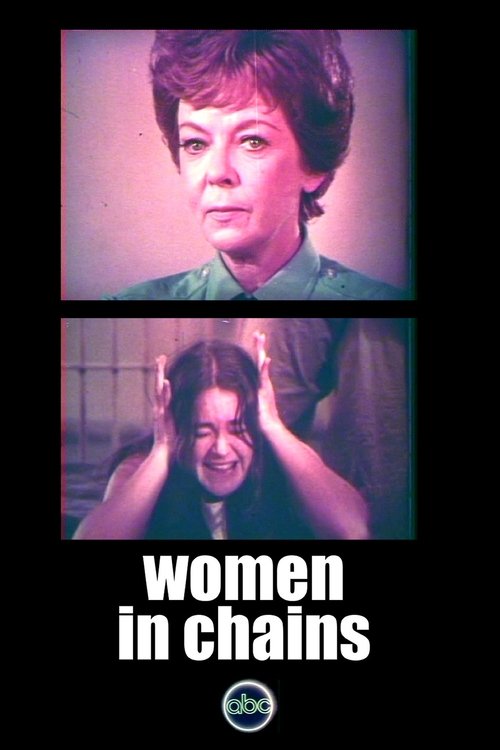
Women in Chains
1972
No user ratings available yet
Representation score: 2.4 out of 10

Representation Score
Limited
1968
Director
Peter Solan
Runtime
24 minutes
Average Rating
No ratings yetNew Showbiz Analysis
Be Sure to Behave is a period drama that emphasizes sociopolitical critique over diverse identity representation. Its strength lies in its cultural engagement, particularly through its examination of institutional corruption and the individual's struggle against state power. However, the film lacks diversity in terms of race, LGBTQ+ identity, and disability. The cast and narrative reflect the regional homogeneity of the Eastern Bloc in 1968, focusing on a singular protagonist's survival within a systemic framework. Ultimately, while the film provides a potent critique of power structures, it does not offer a broad range of social or identity-based perspectives.
Category Breakdown
The film does not include explicit LGBTQ+ characters or stories about non-assuming gender matches what was assigned at birth identities. It focuses on the personal experience of being incarcerated rather than social dynamics related to identity.
A female protagonist faces a tough carceral system, highlighting her ability to act. However, it is unclear whether the film challenges traditional gender roles.
The production reflects the demographic uniformity typical of 1968 Eastern European cinema. There is no indication of multi-ethnic casting or intentional ethnic diversity.
The story deeply engages with critiques of systemic oppression and state institutions. It centers on the conflict between an individual and the crimes of a communist regime.
There is no information about the portrayal of physical, sensory, or neurodivergent characters in this work.
Present on Screen
Limited or Absent
Official Synopsis
A woman prisoner is harshly incarcerated and suddenly released.
1972

1972

1970

1987

1991

1975

1973

1973
No reviews yet. Be the first to share your thoughts on this movie!
Use the rating form above to leave a star rating and optional review.