
Cage Without a Key
1975
No user ratings available yet
Representation score: 3.1 out of 10
Representation Score
Limited
1972
Director
Bernard L. Kowalski
Runtime
74 minutes
Average Rating
No ratings yetNew Showbiz Analysis
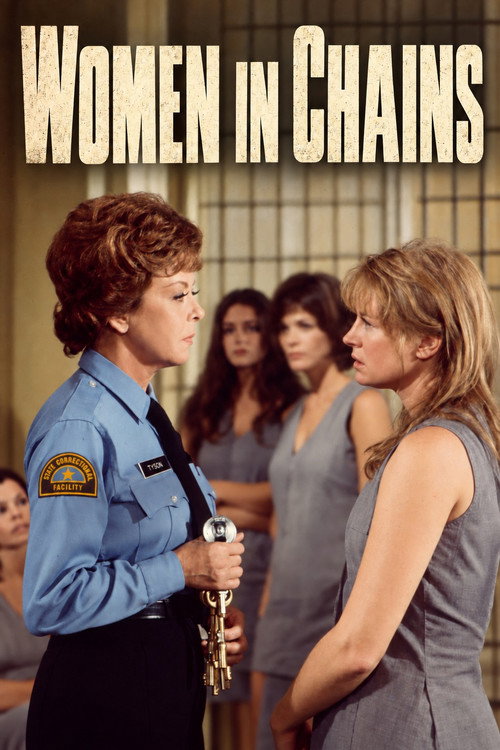
Women in Chains is a social realist drama that centers on a female protagonist navigating a dangerous undercover investigation. The film's strength lies in its subversion of gender norms, placing a woman in a position of investigative authority within the male-dominated sphere of law enforcement. However, the film lacks depth in representing diverse identities. There is no documented evidence regarding racial, LGBTQ+, or disability representation, which limits the narrative's breadth. The focus remains strictly on a character-driven study of professional courage and institutional corruption.
Category Breakdown
The film does not include any LGBTQ+ characters or narratives. There are no depictions of non-straight relationships or identities.
A female parole officer serves as the central protagonist, taking a leading role in a high-stakes investigation. This challenges traditional gender roles by placing a woman in a position of authority.
The narrative does not explicitly confirm the racial makeup of the cast. While prison brutality often involves racial dynamics, specific ethnic identities are not mentioned.
The film critiques Western authority structures by focusing on corruption within the prison system. It explores themes of systemic failure and the deconstruction of institutional infallibility.
There is no information regarding the portrayal of physical or neurodivergent characters. The synopsis provides no details on disability representation.
Present on Screen
Limited or Absent
Official Synopsis
A parole officer goes undercover to investigate prison brutality but is trapped when the only person on the outside who knows why she's there is killed.
1975

1972

1968

1964
1973

1947

1992

1970
No reviews yet. Be the first to share your thoughts on this movie!
Use the rating form above to leave a star rating and optional review.