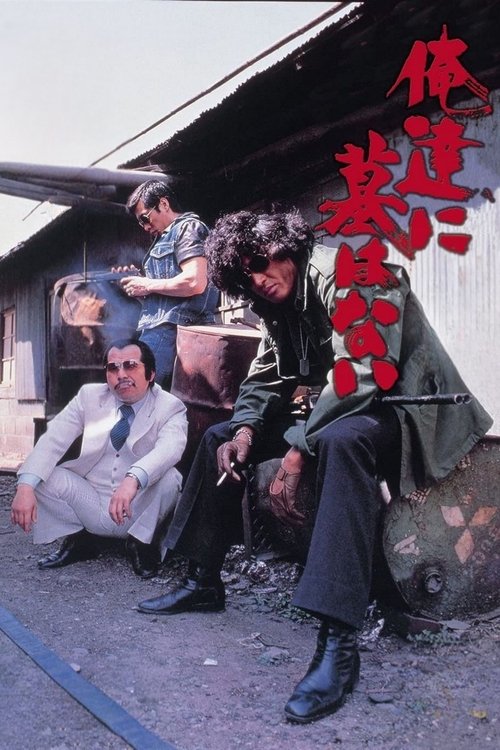
No Grave for Us
1979
No user ratings available yet
Representation score: 1.0 out of 10
Representation Score
Fair
1964
Director
Takumi Furukawa
Runtime
87 minutes
Average Rating
No ratings yetNew Showbiz Analysis
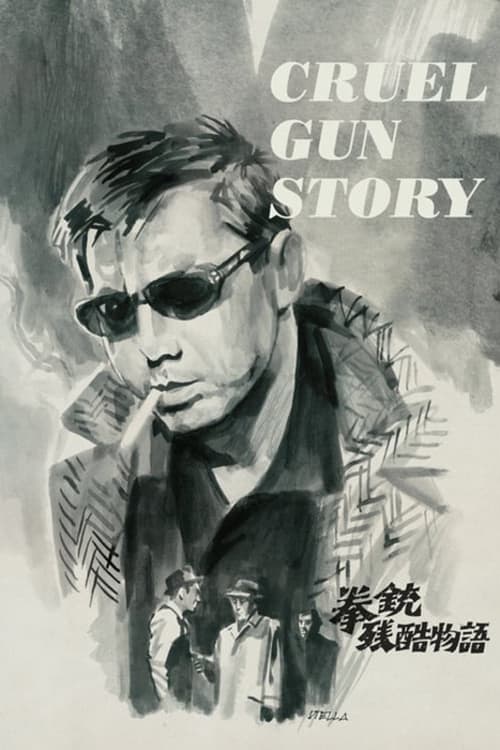
Cruel Gun Story is a crime thriller set in a specific time period that emphasizes a nihilistic exploration of individual motivations over modern diversity. The film's strength lies in its deconstruction of traditional morality and its portrayal of a protagonist operating outside conventional social and legal norms. The narrative structure challenges the notion of a stable, benevolent society. Instead, it presents a world defined by transactional relationships and systemic instability, where the hero is a criminal driven by perceived societal failures. While the film lacks demographic diversity, it offers a critical look at how institutional structures can be exploited for personal gain.
Category Breakdown
The film centers on traditional masculine motivations for revenge and family obligations. There is no depiction of LGBTQ+ identities or relationships.
Men play key roles in driving the plot through Togawa's pursuit of vengeance. Women mainly act as passive influences rather than independent characters.
The cast is ethnically uniform, reflecting the localized context of mid-1960s Japan. The film does not explore diverse cultural backgrounds.
The story examines subjective morality by focusing on a criminal protagonist. It highlights the corruption of institutional stability and the cynical manipulation of legal and medical systems.
Rie's wheelchair confinement is portrayed seriously. However, her role is overshadowed by the protagonist's need to fund her medical care.
Present on Screen
Limited or Absent
Official Synopsis
Businessmen arrange the early release from prison of Togawa, serving time for taking revenge on the truck driver whose carelessness confined Togawa's sister, Rie, to a wheelchair. They want Togawa to hijack an armored truck loaded with 120 million yen; their leverage is to promise him money for surgery for Rie. Togawa consents and plans the heist with three others. The plan is solid, but it doesn't go smoothly. Togawa must improvise, there are traitors somewhere, and double-crosses mount. Can Togawa escape with enough money to help his sister and ensure a passage out of Japan?
1979
1992
1995
1974

1978
1967

1971
1973
No reviews yet. Be the first to share your thoughts on this movie!
Use the rating form above to leave a star rating and optional review.