We Maintain It Is Possible
1973
No user ratings available yet
Representation score: 8.0 out of 10
No Poster Available
Representation Score
Fair
1968
Director
Jacques Willemont
Runtime
10 minutes
Average Rating
No ratings yetNew Showbiz Analysis
Jacques Willemont’s documentary stands as a powerful piece of political cinema, focusing on the defiance of a female worker during a 1968 French strike. The film's strength lies in its subversion of traditional gender roles, placing a woman at the forefront of industrial resistance. However, the work's diversity profile is limited by its narrow focus on class struggle. While it effectively challenges capitalist structures and gendered passivity, it lacks visible representation of LGBTQ+ identities or racial diversity. Ultimately, the film is a significant study of individual ability to act against institutional authority, even if its demographic scope remains largely unexplored.
Category Breakdown
The film focuses on labor relations and class struggle rather than identity. There is no explicit mention of LGBTQ+ identities or non-conforming gender expressions within the documented narrative.
A female worker serves as the main driver of resistance against industrial compromises. This positions her as a central figure in challenging traditional gender hierarchies.
The specific historical context of a 1968 French factory strike provides insufficient evidence to determine the racial composition of the workforce.
The narrative prioritizes individual ability to act and anti-capitalist frameworks over institutional stability. It frames the factory as a site of friction rather than social order.
There is no information available regarding the portrayal of physical or cognitive differences in this documentary.
Present on Screen
Limited or Absent
Official Synopsis
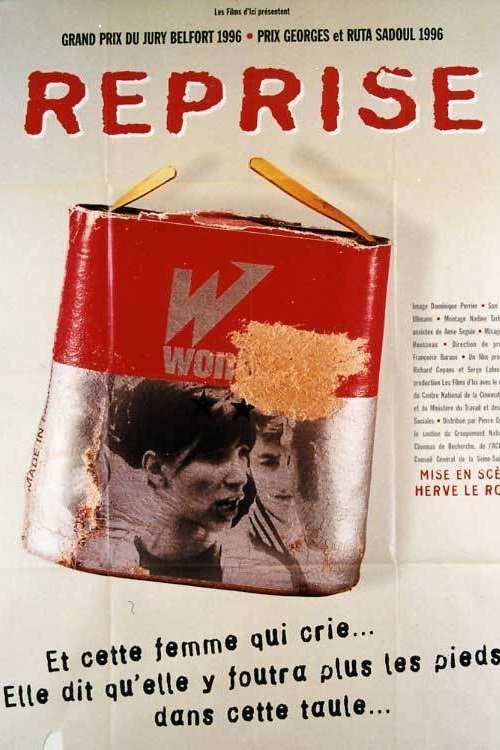
June 10, 1968. After the end of a long strike in the Wonder factory in Saint-Ouen (France), a female worker is dissatisfied with the negotiated compromise and refuses to return to work. Originally, it was a scene of Willemont's Sauve qui peut Trotsky, but the film was never completed.
1973

1977
1968
1997
1969
1978

1971
1972
No reviews yet. Be the first to share your thoughts on this movie!
Use the rating form above to leave a star rating and optional review.