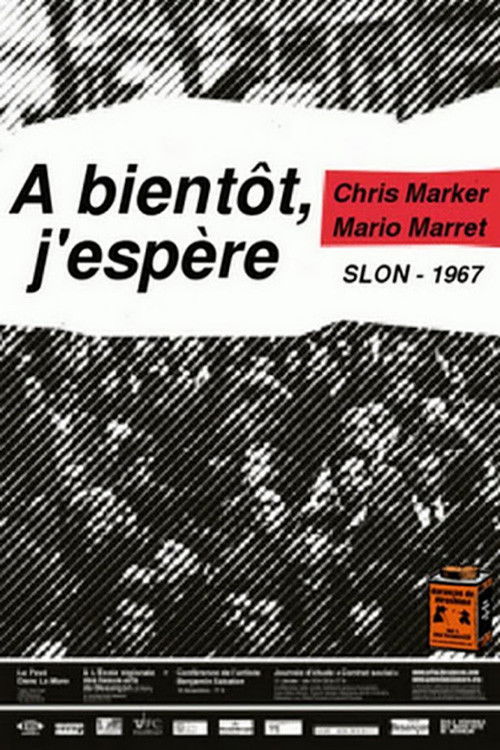
Be Seeing You
1968
No user ratings available yet
Representation score: 3.7 out of 10
Representation Score
Good
1969
Director
Groupe Medvedkine, Pol Cèbe
Runtime
37 minutes
Average Rating
No ratings yetNew Showbiz Analysis
Class of Struggle excels in its critique of authority and deconstruction of Western institutional hierarchies. By using a participatory model, it effectively challenges traditional power dynamics and promotes communal empowerment. However, the film lacks representation for many specific identity groups. There is no visible focus on LGBTQ+ identities, racial diversity beyond the era's standard demographics, or the experiences of individuals with disabilities. Ultimately, the film prioritizes socio-economic and class-based consciousness over individual identity clichés, making it a powerful political experiment that remains narrow in its demographic scope.
Category Breakdown
The film does not include explicit LGBTQ+ characters or narratives. There is no clear indication of queer-coded subtext or specific identity-based representation.
The film challenges traditional patriarchal structures by shifting the focus from a dominant instructor to a collaborative model. It highlights the collective ability to act of women and students working together to dismantle industrial hierarchies.
The film reflects the demographic reality of a late 1960s French industrial setting. It focuses on the growing awareness of the working class rather than featuring a wide range of racially diverse casting.
This work offers a critical look at Western institutions. It emphasizes communal organization and collective meaning-making over the rigid, capitalist-aligned hierarchies of the state and factory.
There is no significant portrayal of visible or invisible disabilities in the film. The focus remains on the socio-political ability to act of the collective rather than individual physical experiences.
Present on Screen
Limited or Absent
Official Synopsis
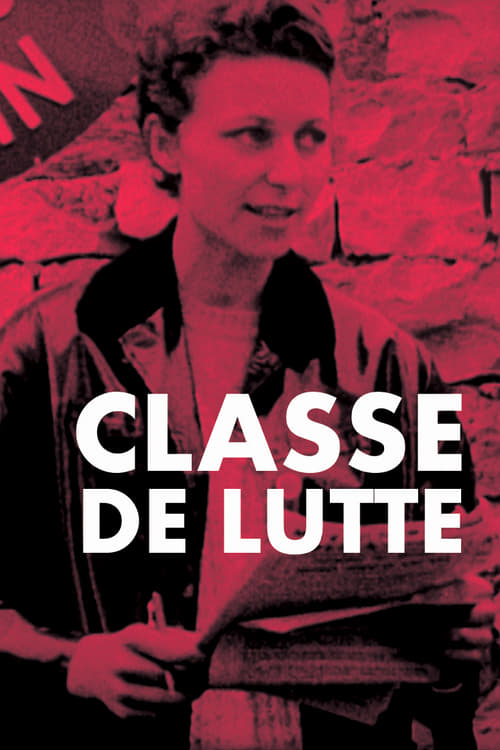
A follow-up to Be Seeing You (À bientôt, j’espère), this collective work—initiated by Chris Marker and the Medvedkin Group—was made in collaboration with workers at the Yema Watch Factory in Besançon. It follows a female worker who becomes active in labor organizing, depicting everyday struggles and the growing consciousness within the French labor movement.
1968

1977
1973
2000
1976
1963
1996
1979
No reviews yet. Be the first to share your thoughts on this movie!
Use the rating form above to leave a star rating and optional review.