Factory
2004
No user ratings available yet
Representation score: 5.8 out of 10
Representation Score
Fair
1978
Director
Piotr Szulkin
Runtime
6 minutes
Average Rating
No ratings yetNew Showbiz Analysis
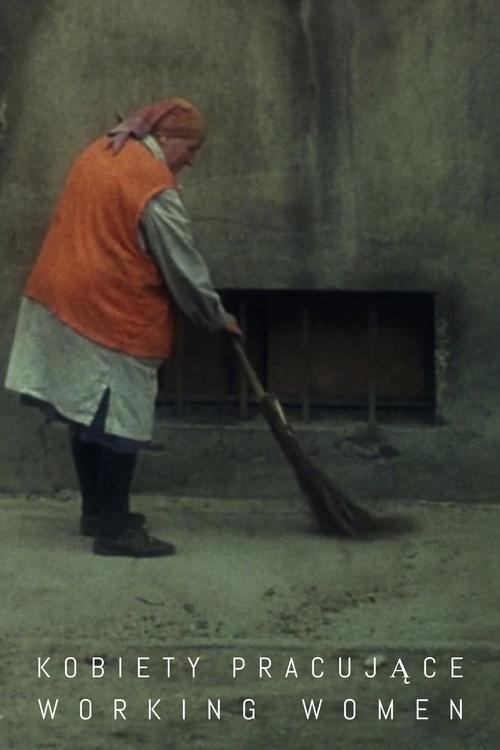
Piotr Szulkin’s documentary miniature succeeds in centering the female experience by focusing on the grueling reality of solitary labor. It avoids traditional clichés that define women through their relationships to men, instead highlighting their physical ability to act within industrial structures. However, the film lacks diversity in race and ethnicity, and it does not include any characters with recognized disabilities or neurodivergence. Its narrow demographic scope limits its overall diversity impact.
Category Breakdown
The documentary focuses on solitary labor without showing any LGBTQ+ identities or relationships. There are no romantic subplots, so there is no indication of anyone's sexual orientation or gender identity.
The film centers entirely on women in the workforce. By isolating their experiences through repetitive labor, it avoids defining women through their relationships to men, giving women a central role in driving the story.
The production reflects the specific demographic realities of 1978 Poland. There is no evidence of a multi-ethnic cast or any attempt to show diversity in race or ethnicity.
The film critiques industrial or state-driven structures through its depiction of weary, repetitive tasks. Its stylistic distortions suggest a subjective view of institutionalized existence rather than a celebration of cultural traditions.
While the film explores the physical toll of repetitive labor and bodily strain, it does not include any characters with recognized disabilities or neurodivergence.
Present on Screen
Limited or Absent
Official Synopsis
Stylized with dramatic interiors and a distorted frame rate, this early documentary miniature from Szulkin depicts six sequences of solitary, repetitious labor.
2004
1929

1971
1973
1976
1979
1958

1905
No reviews yet. Be the first to share your thoughts on this movie!
Use the rating form above to leave a star rating and optional review.