Waterloo Bridge
1931
No user ratings available yet
Representation score: 2.7 out of 10
Representation Score
Fair
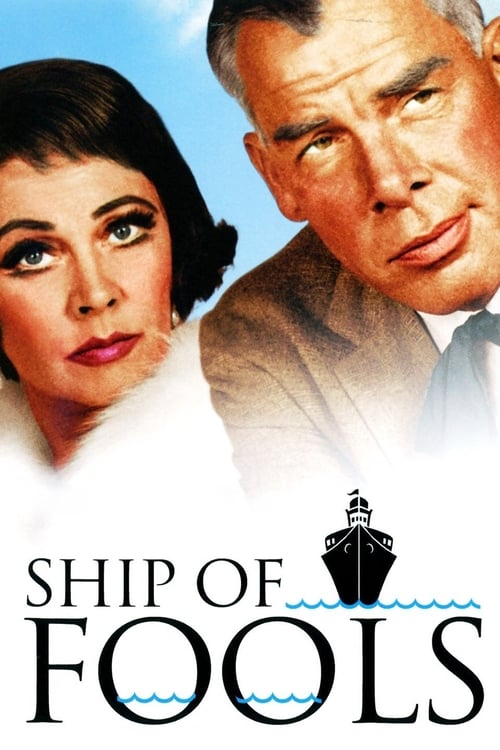
1965
NRDirector
Stanley Kramer
Runtime
149 minutes
Average Rating
No ratings yetNew Showbiz Analysis
Stanley Kramer’s drama serves as a sophisticated critique of systemic moral failures. Using a confined maritime setting, it examines how prejudice infiltrates established social structures, particularly focusing on the rise of fascism and the complicity of the ruling class. While the film excels at breaking down political and class hierarchies, it falls short by today’s standards of identity representation. It lacks meaningful inclusion of LGBTQ+ identities and disability, focusing instead on the tensions between nationalities and social orders. Ultimately, the work prioritizes historical and systemic analysis over individual identity politics. It succeeds as a study of institutional decay, even as it remains tied to the traditional gender roles of the bk1930s.
Category Breakdown
The film does not depict any non-straight or non-cisgender identities. It stays within the heterosexual and cisgender norms of the 1930s.
Women like La Condesa and Jenny play important roles, but their influence is often limited by their relationships with men. The film upholds traditional gender roles without challenging them.
The film's international setting showcases a diverse cast that explores the dynamics of prejudice. It focuses on the plight of Jewish passengers facing antisemitism and fascist ideologies.
The film criticizes Western institutions by showing how capitalists enable oppression. It exposes the hidden cruelty and moral decay beneath the surface of polite society.
The film does not significantly address neurodivergence, physical disabilities, or mental health issues. Characters are defined by their socioeconomic status and political affiliations rather than by disabilities.
Present on Screen
Limited or Absent
Official Synopsis
A varied group of passengers boarding a ship bound for pre-WWII Germany represents a microcosm of early-1930s society.
1931
1939

1958
1932
1983
1932
1957

1945
No reviews yet. Be the first to share your thoughts on this movie!
Use the rating form above to leave a star rating and optional review.