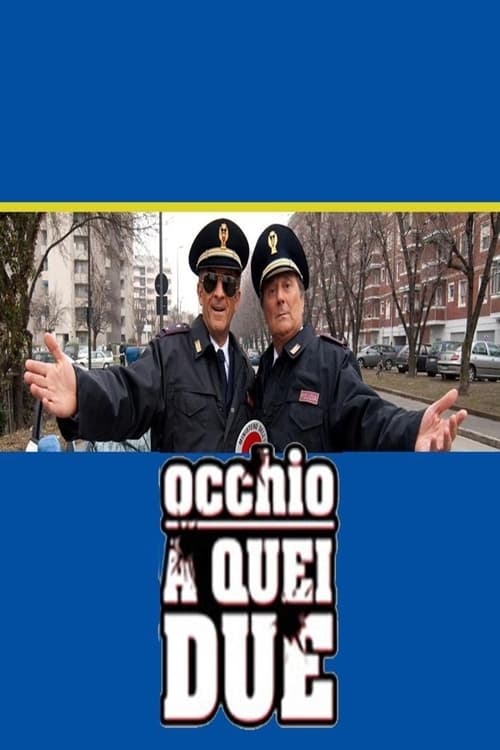
Occhio a quei due
2009
No user ratings available yet
Representation score: 2.9 out of 10

Representation Score
Limited
2007
Director
Giambattista Avellino, Salvatore Ficarra, Valentino Picone
Runtime
93 minutes
Average Rating
No ratings yetNew Showbiz Analysis
Il 7 e l'8 operates within a traditional framework, relying on comedic archetypes and a straight-centered storyline that reinforces existing social hierarchies. The film's homogeneous, white cast reflects the specific demographic and cultural context of 1970s Palermo without broader inclusivity. Gender dynamics are conservative, with women serving secondary roles to male protagonists. The portrayal of masculinity is central, using the oppressive Carabinieri father figure for comedic contrast. Culturally, the film focuses on internal Italian class and familial dynamics, ignoring broader ethnic or religious diversity. This insular perspective limits the depth of character interaction and reinforces stereotypical gender roles for comedic effect.
Category Breakdown
The film does not include any visible LGBTQ+ characters or non-cisgender identities. It focuses solely on traditional heterosexual relationships and family lines, reinforcing the idea that everyone is straight and cisgender.
Women in the film are limited to supporting roles such as widows or assistants, while men dominate the plot. The portrayal of masculinity is central, with the oppressive Carabinieri colonel serving as a symbol of rigid patriarchal authority used for comedic effect.
The cast is entirely white, reflecting the demographics of 1970s Palermo. The story focuses on internal Italian class dynamics without engaging with broader ethnic or religious diversity.
The film centers on traditional Italian societal structures, emphasizing family and police institutions. It critiques individual moral failings rather than systemic oppression, upholding conventional Western values regarding truth and social order.
There are no visible or invisible disabilities, neurodivergence, or mental health conditions represented in the film. Characters are shown as able-bodied, with conflicts arising from social status and personal choice rather than disability-related challenges.
Present on Screen
Limited or Absent
Official Synopsis
6th January 1975, in an infant nursery in Palermo (Italy), for a mysterious reason, a male nurse exchanges the labels of baby number 7 and 8. Thirty-one years later Tommaso (7) and Daniele (8) meet each other by accident.
2009
1988

2014
1981

2007

2002
2003
2008
No reviews yet. Be the first to share your thoughts on this movie!
Use the rating form above to leave a star rating and optional review.