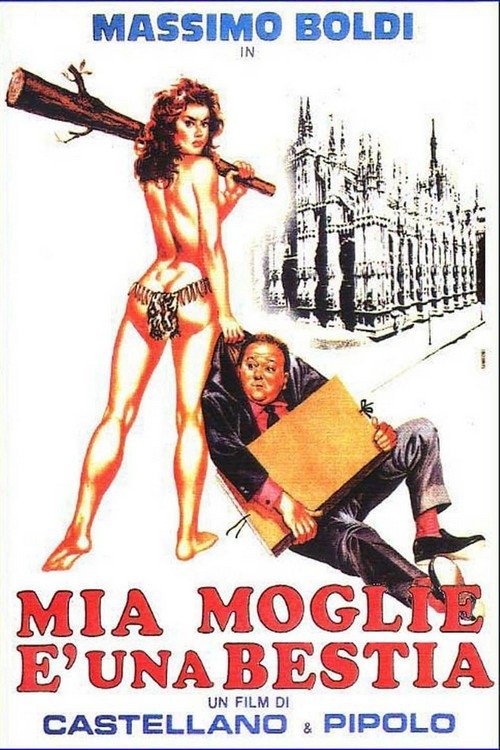
Mia moglie è una bestia
1988
No user ratings available yet
Diversity score: 2.6 out of 10
1985
Director
Castellano, Pipolo
Runtime
89 minutes
Average Rating
No ratings yetOverall Score
Limited
Category Breakdown
LGBTQ+ Representation
The film adheres to the heteronormative social structures common in mid-1980s Italian cinema. It lacks any narratives that challenge traditional sexual orientation hierarchies.
Gender Representation
Gender dynamics lean toward the established social roles of the era. The film relies on traditional comedic archetypes without subverting gender hierarchies or elevating female agency.
Racial & Ethnic Diversity
The cast reflects a homogeneous demographic typical of the period and genre. The narrative focuses on localized, middle-class social structures within an Italian urban environment.
Religious & Cultural Diversity
The story prioritizes traditional familial structures and domestic order. It operates within a standard comedic paradigm rather than critiquing Western institutions like the family.
Disability Representation
There is no discernible evidence regarding the inclusion or portrayal of neurodivergence or physical disabilities within the film.
Strengths
Areas for Improvement
AI Analysis
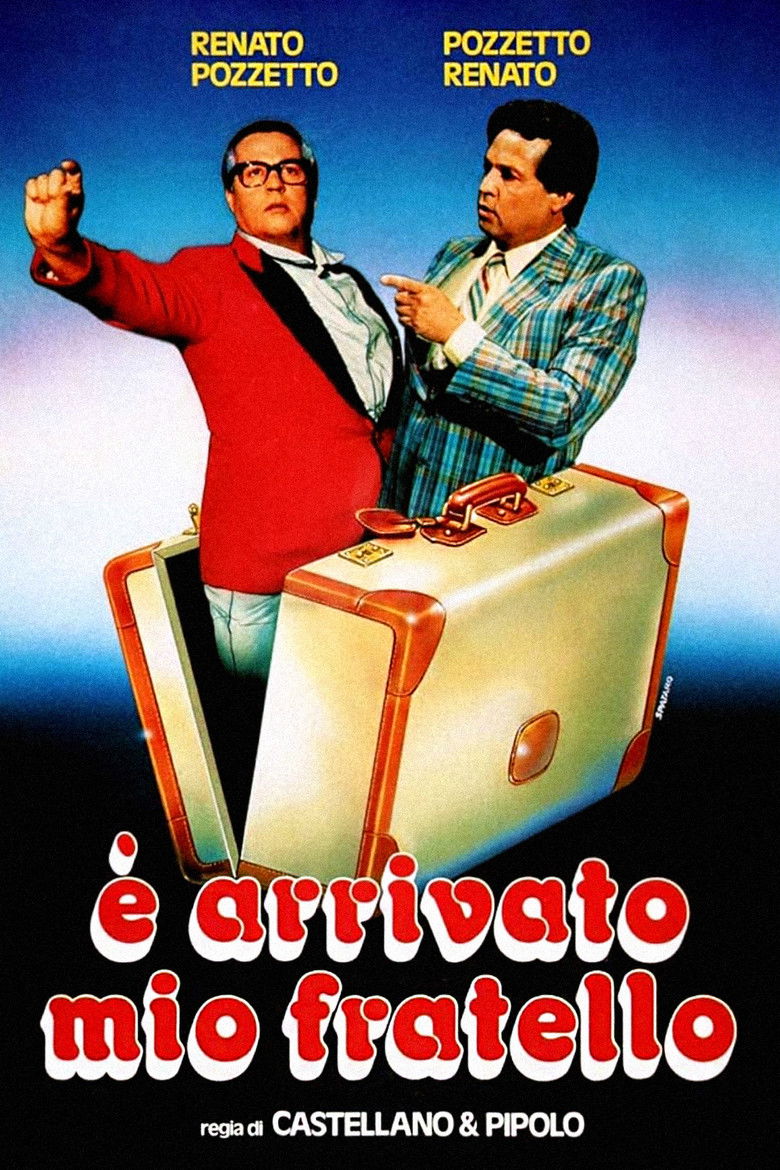
È arrivato mio fratello is a product of the mid-80s Italian comedic tradition, functioning as a reflection of contemporary social norms rather than a disruption of them. The film relies heavily on established character archetypes and domestic friction to drive its humor. Because the narrative architecture reinforces conventional social and familial structures, it lacks the intentionality needed to challenge systemic hierarchies. The work remains firmly within a traditional, homogeneous framework typical of its era.
1988
1984
2012

2018
2009
1982
1982
2000
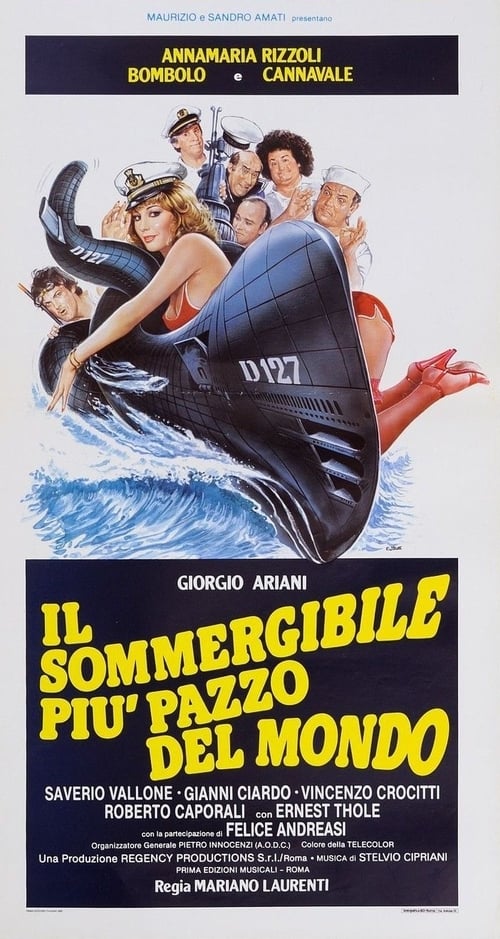
1982
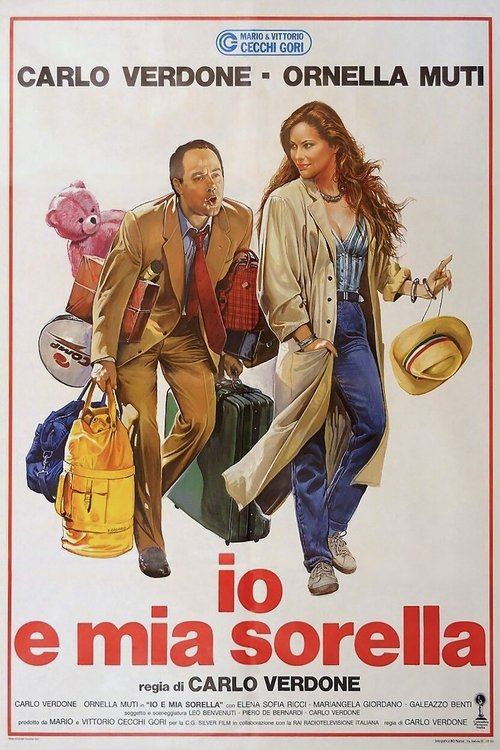
1987
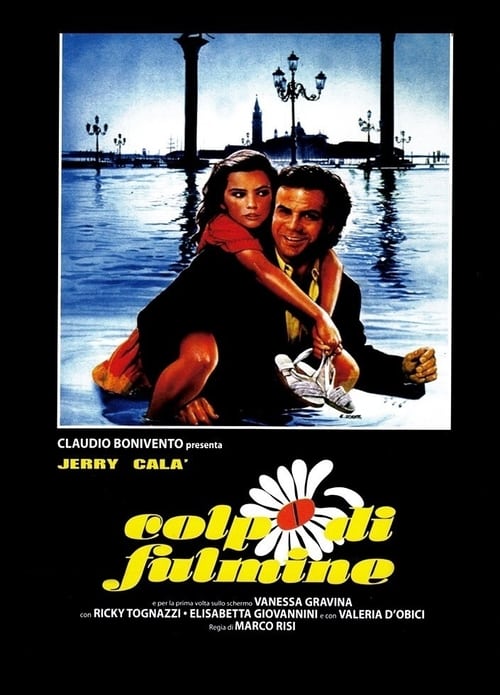
1985
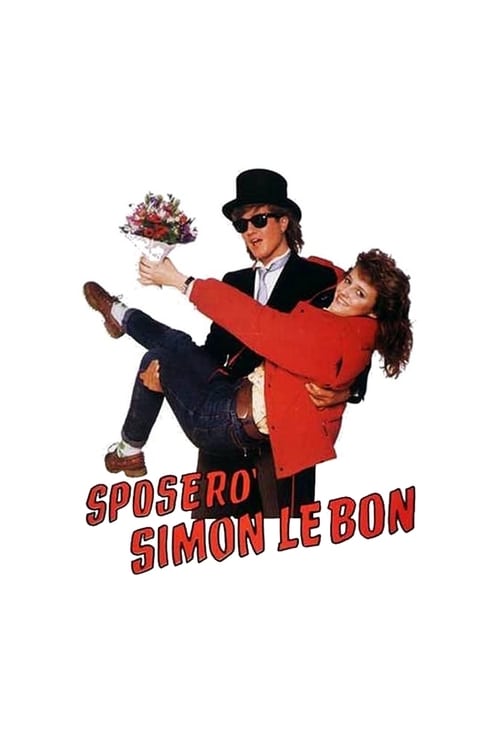
1986
No reviews yet. Be the first to share your thoughts on this movie!
Use the rating form above to leave a star rating and optional review.