
Cose da pazzi
2005
No user ratings available yet
Representation score: 2.5 out of 10
Representation Score
Limited
2009
Director
Carmine Elia
Runtime
0 minutes
Average Rating
No ratings yetNew Showbiz Analysis
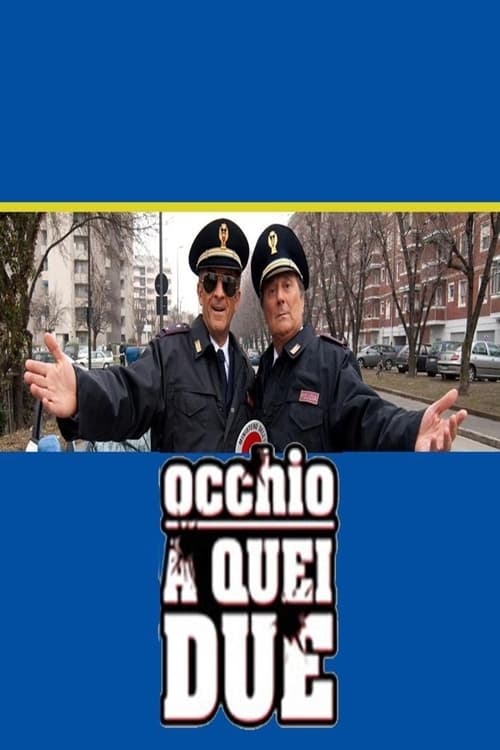
Occhio a quei due functions as a conventional provincial comedy that emphasizes established social hierarchies. The film relies on localized social scrutiny and interpersonal conflict rather than exploring diverse identities or challenging traditional norms. The production reflects a homogeneous social environment typical of its genre and setting. It lacks the complexity needed to address diverse perspectives, focusing instead on maintaining the local social order through gossip and surveillance. Ultimately, the film adheres to traditional comedic structures. It offers little in the way of progressive representation, remaining firmly rooted in the standard social dynamics of its specific Italian setting.
Category Breakdown
The film does not include any representations of same-sex relationships or non-cisgender identities. The story focuses on traditional social roles without featuring characters that challenge these norms.
The story centers around male characters and their social interactions. Female characters are present but do not play a significant role in driving the narrative.
The cast reflects the local demographics of a small Italian town. There is no indication of racial diversity or casting actors from different racial backgrounds.
The film follows traditional cultural norms, focusing on gossip and community surveillance. It does not critique Western institutions or explore alternative moral perspectives.
There are no characters with visible or invisible disabilities in the film. Disability is not used as a central theme or a tool for representation.
Present on Screen
Limited or Absent
2005
2004
2012
2002
2000
1999
2004
2010
No reviews yet. Be the first to share your thoughts on this movie!
Use the rating form above to leave a star rating and optional review.