Discontent
1916
No user ratings available yet
Representation score: 3.1 out of 10
Representation Score
Minimal
1935
PassedDirector
Willard Mack
Runtime
70 minutes
Average Rating
No ratings yetNew Showbiz Analysis
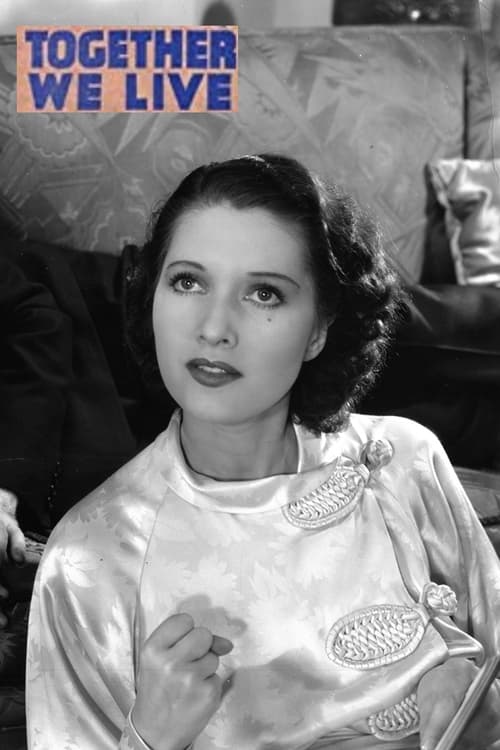
Together We Live is a traditionalist cautionary tale designed to reinforce existing social and political orders. The film focuses on preserving established American values against the perceived threat of radical political movements. The narrative architecture is built around defending the status quo. By centering the story on Civil War veterans, the film prioritizes patriarchal leadership and conservative social preservation over any form of systemic deconstruction. Ultimately, the work functions as a tool for institutional stability. It lacks multi-layered depth, opting instead for a narrow, homogeneous perspective that aligns with the mainstream conventions of its era.
Category Breakdown
The film does not include any evidence of LGBTQ+ identities or non-straight relationships. It seems to follow the strict heterosexual norms typical of 1930s cinema.
The story centers on patriarchal structures and male leadership. The plot focuses on the authority and experiences of male Civil War veterans.
The film likely reflects a homogeneous, Anglo-centric perspective. It lacks evidence of a diverse cast or any significant racial representation.
The story functions as a critique of radicalism, positioning traditional Western institutions as the moral center. It defends the status quo against anti-establishment sentiment.
There is no mention of characters with visible or invisible disabilities within the narrative.
Present on Screen
Limited or Absent
Official Synopsis
A ham-handed cautionary fable against communism, the film concerns a group of Civil War veterans who are appalled by the burgeoning radical movement in America.
1916

1930
1928

1925
1936

1939
1933

1995
No reviews yet. Be the first to share your thoughts on this movie!
Use the rating form above to leave a star rating and optional review.