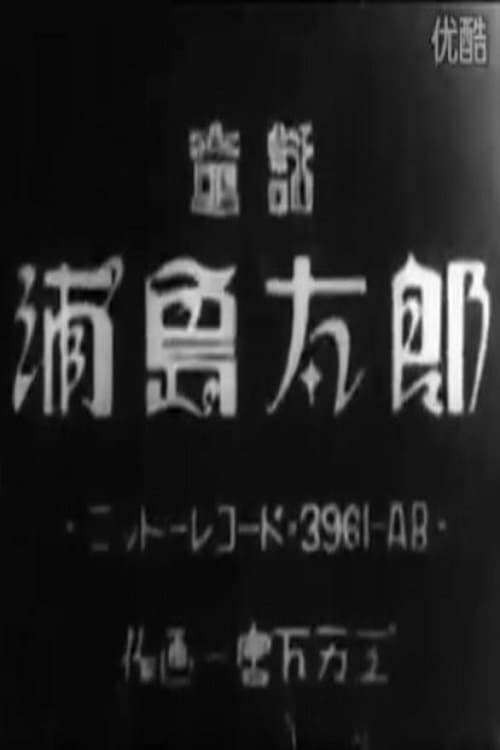
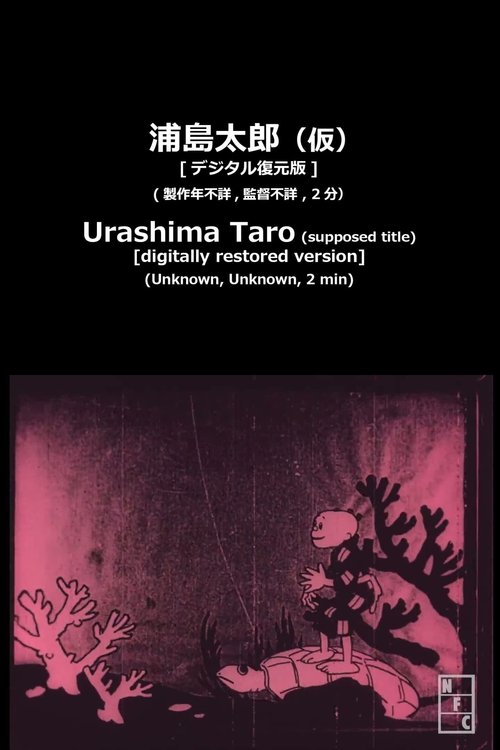
Urashima Tarō
1918
No user ratings available yet
Representation score: 1.9 out of 10
Representation Score
Minimal
1931
Director
Manzo Miyashita
Runtime
1 minutes
Average Rating
No ratings yetNew Showbiz Analysis
This 1931 animation serves as a foundational vessel for Japanese folklore rather than a vehicle for social critique. The narrative architecture is built upon traditional mythological clichés, focusing on themes of kindness and supernatural reward. The film's primary value lies in its preservation of cultural heritage. It functions as a culturally specific expression of Japanese identity, though it does not engage with modern concepts of intersectionality or identity-based power dynamics. Because the work is rooted in early 20th-century storytelling, it maintains a traditional perspective that lacks contemporary social subversion.
Category Breakdown
The film does not depict any characters with non-traditional gender identities. The story revolves around a male protagonist and supernatural beings.
The narrative follows a traditional heroic structure centered on a male fisherman. It adheres to traditional masculine roles without challenging gender hierarchies.
The film presents a culturally specific Japanese narrative. While not multi-ethnic, it offers a non-Western perspective through its depiction of local legend.
The story is deeply embedded in Japanese mythology and spirituality. It centers on the interaction between humanity and the divine, specifically the Dragon God.
There is no evidence of characters with visible or invisible disabilities. No such identities are integrated into the central plot.
Present on Screen
Limited or Absent
Official Synopsis
A Japanese legend about a fisherman who rescues a turtle and is rewarded for this with a visit to Ryūgū-jō, the palace of Ryūjin, the Dragon God, under the sea.
1918
1968
1932

1973
1936
1935

1964

1952
No reviews yet. Be the first to share your thoughts on this movie!
Use the rating form above to leave a star rating and optional review.