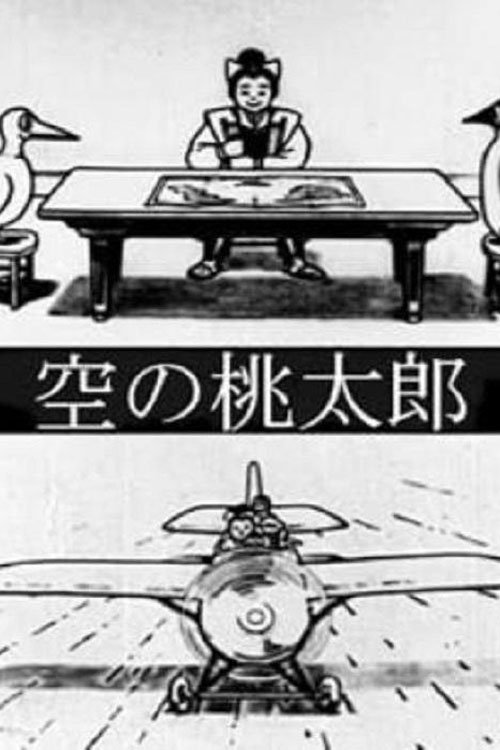
Momotaro's Sky Adventure
1931
No user ratings available yet
Representation score: 2.4 out of 10
No Poster Available
Representation Score
Limited
1935
Director
Kenzō Masaoka
Runtime
7 minutes
Average Rating
No ratings yetNew Showbiz Analysis
Ta-chan's Underwater Adventure serves mainly as a historical record of early Japanese animation. While it offers a non-Western perspective, the film lacks the narrative complexity needed for modern characters who reflect more than one aspect of diversity. The film's importance lies in its technical innovations by Kenzō Masaoka rather than its social commentary. Since it predates modern frameworks of identity-based ability to act, it does not intentionally engage with current standards of diversity. Ultimately, the film provides cultural specificity through its Japanese roots but remains limited by the social structures and animation conventions of the 1930s.
Category Breakdown
The film does not show any evidence of non-binary gender identities or same-sex relationships. These themes were uncommon in mainstream 1930s animation.
Specific character interactions are not available to determine if the film challenges or reinforces traditional gender roles. Early animation often used typical roles based on the time period.
As a Japanese production, the film centers a non-Western viewpoint. This provides a cultural uniqueness that breaks the Western-centric dominance of early global animation.
The work likely reflects the artistic styles and cultural values of pre-war Japan. It offers a localized framework distinct from Western animation standards.
There is no verifiable information about the portrayal of neurodivergence or physical disabilities in this film.
Present on Screen
Limited or Absent
Official Synopsis
Animated short from Japan.
1931
1936
1932
1968

1932
1933

1931
1996
No reviews yet. Be the first to share your thoughts on this movie!
Use the rating form above to leave a star rating and optional review.