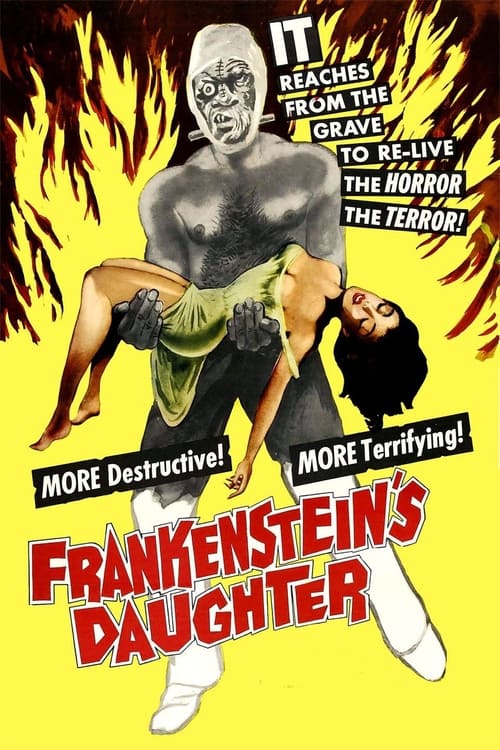
Frankenstein's Daughter
1958
No user ratings available yet
Representation score: 1.6 out of 10
Representation Score
Limited
1971
GPDirector
Al Adamson
Runtime
91 minutes
Average Rating
No ratings yetNew Showbiz Analysis
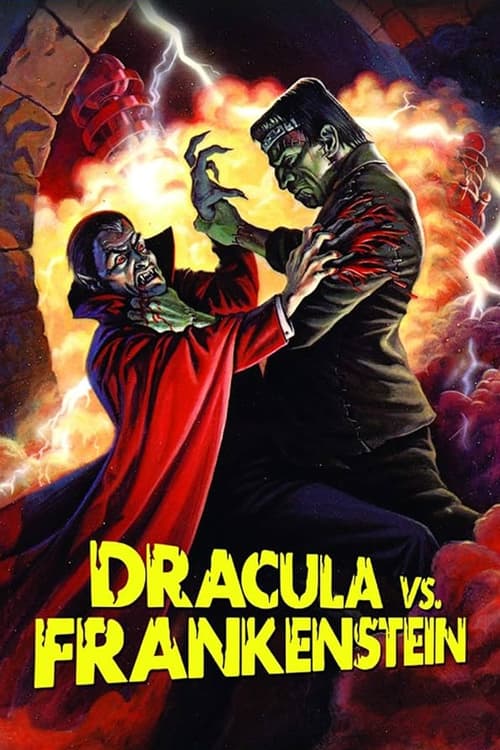
Dracula vs. Frankenstein exemplifies exploitation cinema that emphasizes genre clichés over social commentary. By relying on traditional archetypes and standard casting norms, the film reinforces the status quo of its era. The narrative stays within a conventional, Eurocentric Gothic framework that avoids addressing multiple layers of identity.
Category Breakdown
The film follows early 1970s horror traditions that exclude LGBTQ+ identities. There are no queer storylines or characters challenging the assumption that everyone is straight or cisgender.
Female characters operate within traditional Gothic horror roles and do not have the power to drive the plot. The film leans on gender stereotypes typical of the time.
The movie features a predominantly white cast that aligns with the era's genre standards. It lacks diverse character backgrounds or actors from different ethnicities.
The story centers on classic battles between good and evil. It upholds traditional morality without questioning Western cultural institutions or secular values.
The Frankenstein Monster is portrayed through the lens of classic horror spectacle. The narrative does not offer nuanced depictions of physical disability or the experiences of those with such conditions.
Present on Screen
Limited or Absent
Official Synopsis
Judith Fontaine is looking for her sister Joanie, who has disappeared into the hippie community of Venice, California. It turns out that Joanie has become fallen victim to Groton, an axe-wielding homicidal maniac under the employ of Dr. Durea, the last living descendant of the Frankenstein family and is now both running a house of horrors on the beach's boardwalk and performing experiments on Groton's victims in his basement laboratory.
1958

1974
1965
1969
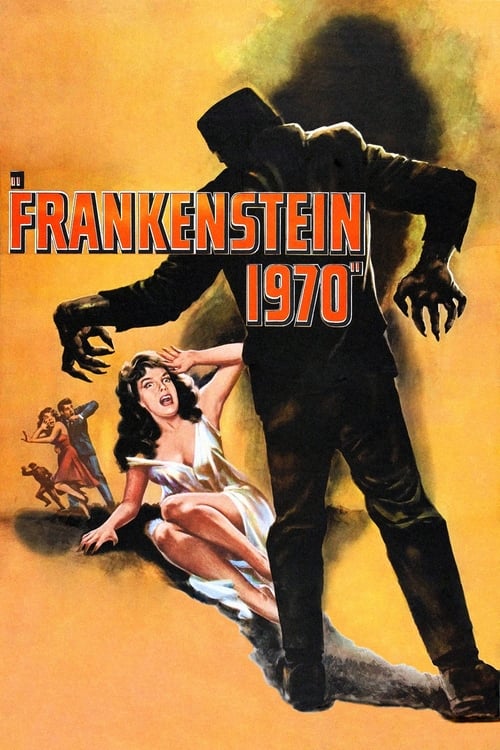
1958
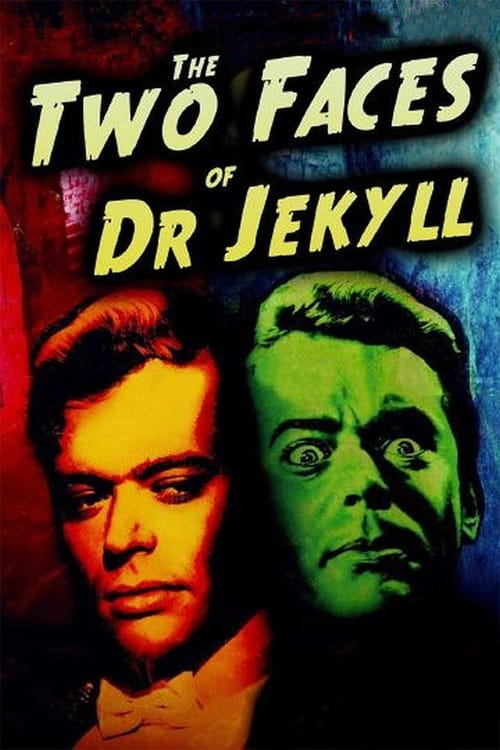
1960
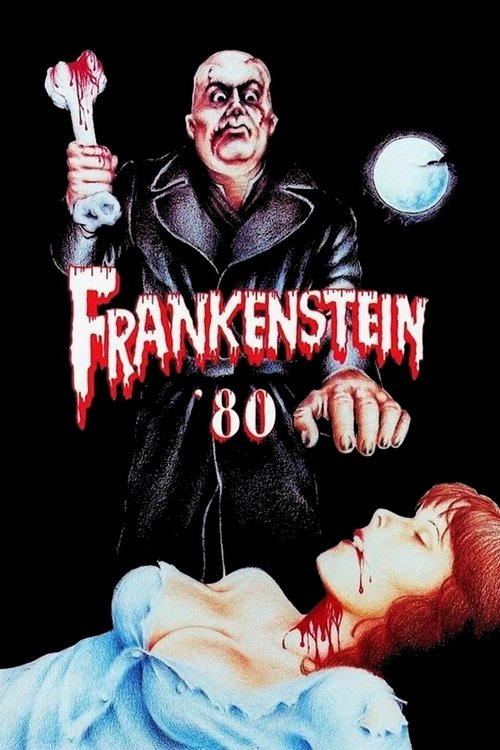
1972

1958
No reviews yet. Be the first to share your thoughts on this movie!
Use the rating form above to leave a star rating and optional review.