
Absolutely Tame Is a Horse
2011
No user ratings available yet
Diversity score: 4.3 out of 10

1935
Director
Hamo Bek-Nazaryan
Runtime
75 minutes
Average Rating
No ratings yetSynopsis
A poor but honest fisherman Pepo opposes a cunning trader Zimzimov, who tries to rob him by trickery refusing to pay a lost bill. Pepo choses prison to paying-off his honour.
Overall Score
Fair
Category Breakdown
LGBTQ+ Representation
The film lacks any evidence of non-heteronormative identities or queer narratives. The story focuses almost exclusively on class-based conflict.
Gender Representation
Specific female character arcs are not detailed in the narrative. The central conflict remains driven by class struggle rather than gendered hierarchy.
Racial & Ethnic Diversity
As a seminal Armenian film, it provides significant representation of an ethnic identity. The narrative centers on the agency of the local population against exploitative forces.
Religious & Cultural Diversity
The film critiques capitalist institutions by framing the trader as an antagonist. It disrupts traditional celebrations of wealth by prioritizing moral integrity over commerce.
Disability Representation
There is no evidence regarding the portrayal of physical or neurodivergent disabilities in this work.
Strengths
Areas for Improvement
AI Analysis
Pepo serves as a potent social critique of class dynamics and economic exploitation. By pitting an honest fisherman against a cunning trader, the film deconstructs capitalist logic and prioritizes individual honor over financial solvency. The narrative architecture is fundamentally disruptive, positioning the marginalized individual as a figure of moral authority. While it lacks modern intersectional markers, its focus on systemic inequity provides significant social value. Ultimately, the film's strength lies in its portrayal of class-based agency and its rejection of corrupt institutional norms.
2011

1988
1980
1986

1986

1979
1946
2003

1987

1983
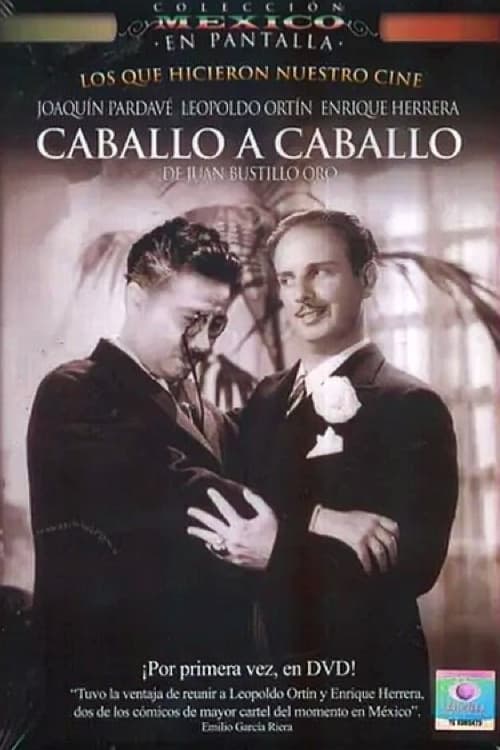
1939

2008
No reviews yet. Be the first to share your thoughts on this movie!
Use the rating form above to leave a star rating and optional review.