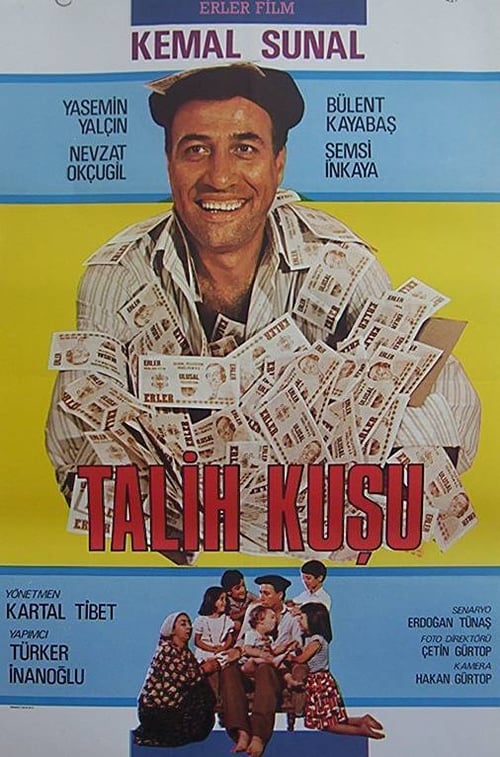
Talih Kuşu
1989
No user ratings available yet
Representation score: 2.0 out of 10
Representation Score
Fair
1983
Director
Kartal Tibet
Runtime
93 minutes
Average Rating
No ratings yetNew Showbiz Analysis
En Büyük Şaban is a character-driven comedy that prioritizes class struggle over identity-based representation. Its primary strength lies in its anti-capitalist critique, using the underdog archetype to challenge the moral authority of the wealthy elite. While the film provides meaningful engagement with disability and socioeconomic injustice, it remains limited by traditional gender roles and a lack of queer or multi-ethnic perspectives. Ultimately, the film serves as a localized social commentary, highlighting systemic inequality through comedic resistance, even if it operates within the conservative social frameworks of its time.
Category Breakdown
The film does not include any LGBTQ+ characters or narratives. It follows the assumption that everyone is straight or cisgender, which was typical of 1980s Turkish cinema.
Gender roles follow traditional patterns, with the male protagonist positioned as the central moral figure and protector. Masculinity is portrayed through lovable incompetence but does not challenge established hierarchies.
The cast is primarily Turkish, offering high cultural authenticity for its setting. It lacks multi-ethnic casting, reflecting the regional storytelling focus of the era.
The film strongly critiques socioeconomic structures by showing honest, hardworking individuals fighting against a corrupt elite. It highlights the 'little man' resisting systemic oppression.
A character with visual impairment drives the plot, receiving emotional depth and a significant role. However, the narrative focuses on curing the disability rather than integrating the character socially.
Present on Screen
Limited or Absent
Official Synopsis
A good man trys to help a blind girl to see again but he doesn't have enough money for the operation.
1989

2019
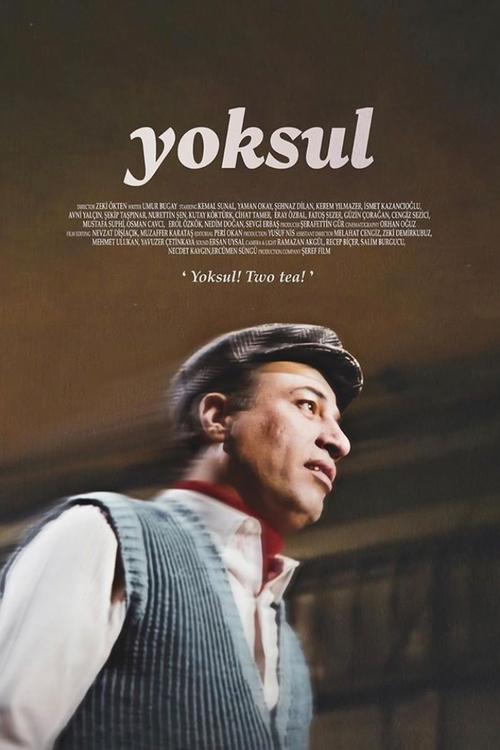
1986
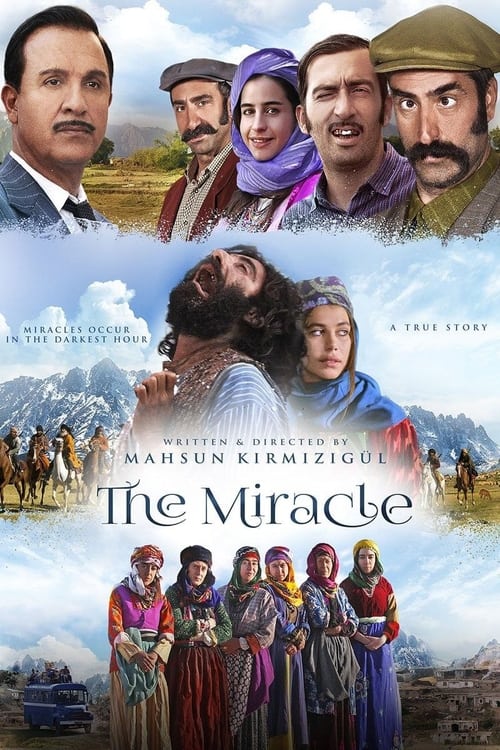
2015

1989
1980
2008

1979
No reviews yet. Be the first to share your thoughts on this movie!
Use the rating form above to leave a star rating and optional review.