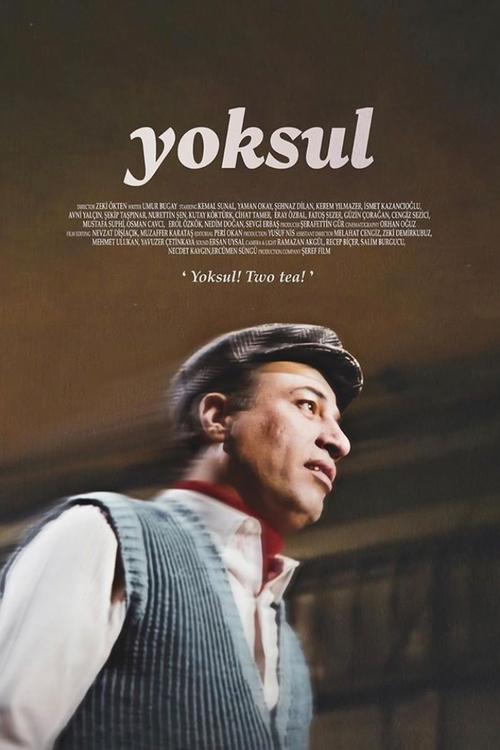
Yoksul
1986
No user ratings available yet
Representation score: 4.7 out of 10

Representation Score
Fair
1979
Director
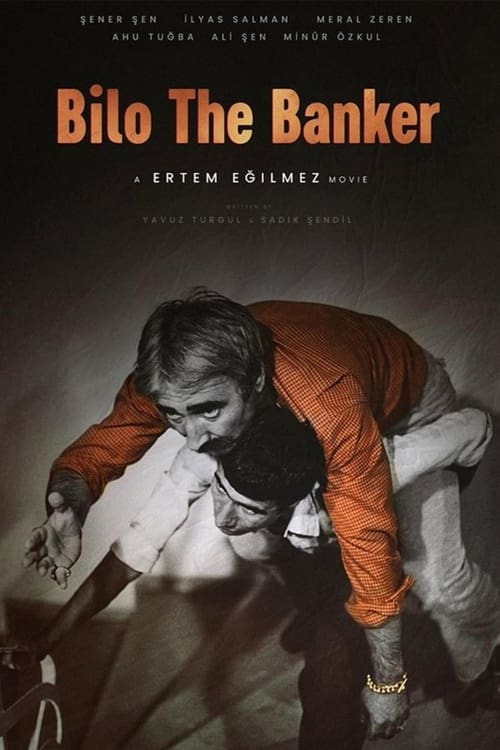
Ertem Eğilmez
Runtime
80 minutes
Average Rating
No ratings yetNew Showbiz Analysis
Handsome Poor Bilo is a culturally specific social drama that explores the tension between underrepresented individuals and systemic structures. The film highlights the protagonist's struggles against institutional authority and class hierarchies. Its strength lies in providing a meaningful critique of class and power dynamics. However, the narrative appears centered on traditional masculine experiences and regional identity, offering limited visibility for diverse gender perspectives. Ultimately, the work functions as a critique of power and class rather than a modern exploration of diverse identity politics.
Category Breakdown
The film does not include any explicit representation of LGBTQ+ identities. There is also no visible critique of the assumption that everyone is straight or cisgender.
The story focuses on a male protagonist's journey after being released from prison. Veteran actors bring nuance to community roles, but the narrative emphasizes traditional masculine experiences.
This production is rooted in a specific Turkish cultural context. The representation is tied to regional identity rather than a broader ethnic diversity.
The narrative uses an underdog protagonist to critique class hierarchies and institutional authority. It leans towards a systemic critique of established social orders.
There is no information available regarding the portrayal of physical or neurodivergent disabilities in this film.
Present on Screen
Limited or Absent
Official Synopsis
Bilo is released from prison..
1986
2019
2008
1997
1980
1989

2017
2008
No reviews yet. Be the first to share your thoughts on this movie!
Use the rating form above to leave a star rating and optional review.