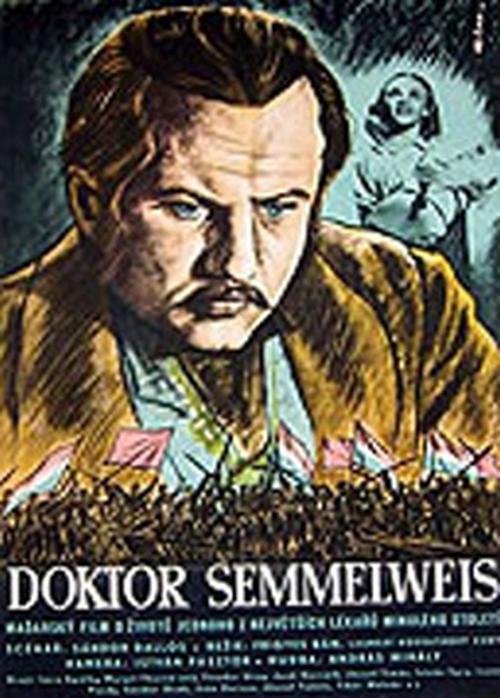
Semmelweis
1952
No user ratings available yet
Representation score: 2.5 out of 10
Representation Score
Limited
1938
ApprovedDirector
Fred Zinnemann
Runtime
10 minutes
Average Rating
No ratings yetNew Showbiz Analysis
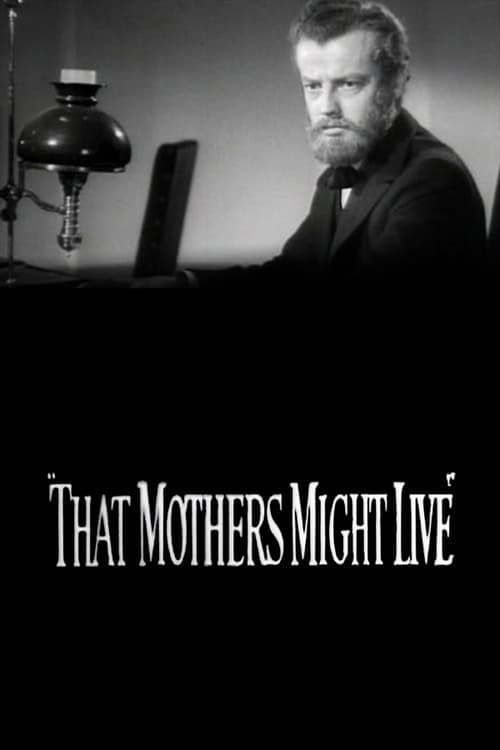
That Mothers Might Live is a focused biographical drama centered on the historical struggle of Ignaz Semmelweis. The film highlights the importance of maternal health and the conflict between individual integrity and institutional resistance. However, the narrative scope is narrow, operating within a culturally homogeneous framework that lacks depth in representing diverse identities. The work prioritizes scientific truth over social diversity, challenging professional hierarchies without attempting to subvert traditional demographic structures.
Category Breakdown
The film does not include any identifiable LGBTQ+ characters or narratives. The social structure aligns closely with traditional family arrangements of the time.
The story focuses on a male protagonist battling a patriarchal medical establishment. While it emphasizes the significance of maternal health, women are mainly portrayed as those in need of protection.
The cast and setting are uniform, reflecting the 19th-century European context. The film adheres to the demographic specifics of its biographical subject.
The story criticizes institutional authority and the medical establishment's resistance to truth. It celebrates scientific empiricism and Enlightenment values.
There are no prominent depictions of visible or invisible disabilities used as central character drivers or plot devices.
Present on Screen
Limited or Absent
Official Synopsis
That Mothers Might Live is a 1938 American short drama film directed by Fred Zinnemann. The short is a brief account of Hungarian physician Ignaz Semmelweis and his discovery of the need for cleanliness in 19th-century maternity wards, thereby significantly decreasing maternal mortality, and of his struggle to gain acceptance of his idea. Although Semmelweis ultimately failed in his lifetime, later scientific luminaries advanced his work in spirit like microbiologist Louis Pasteur, who provided a scientific theoretical explanation of Semmelweis' observations by helping develop the germ theory of disease and the British surgeon, Dr. Joseph Lister who revolutionized medicine putting Pasteur's research to practical use. In 1939, at the 11th Academy Awards, the film won an Oscar for Best Short Subject (One-Reel).
1952
2017
1936
1965
1936

1993
2023
1971
No reviews yet. Be the first to share your thoughts on this movie!
Use the rating form above to leave a star rating and optional review.