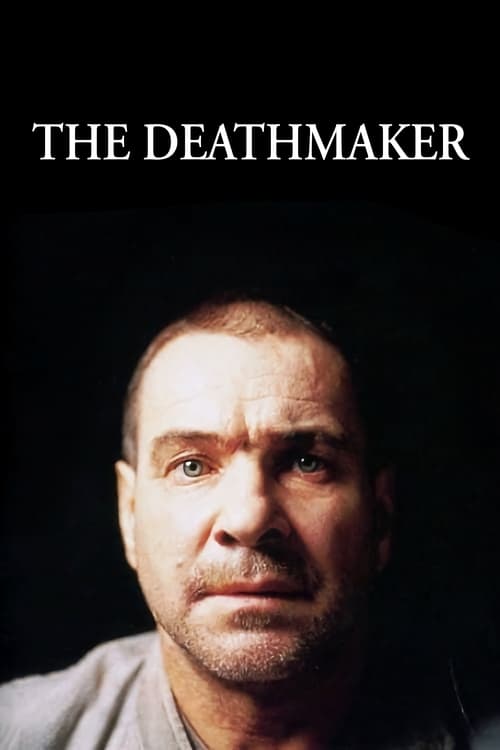
The Deathmaker
1995
No user ratings available yet
Representation score: 4.9 out of 10
Representation Score
Minimal
1994
Director
Peter Keglevic
Runtime
93 minutes
Average Rating
No ratings yetNew Showbiz Analysis
This film is a standard genre piece that adheres to conventional storytelling norms. It functions as a dramatization of a specific, violent historical event in Germany, focusing on the individual pathology of a single perpetrator. The narrative lacks multi-layered complexity and diverse casting. It relies on traditional crime-drama structures that prioritize male-driven conflict and demographic homogeneity typical of its era and setting. Ultimately, the film does not attempt to challenge social hierarchies or provide systemic critiques. It remains a localized true-crime drama centered on a singular criminal act.
Category Breakdown
The film does not include any LGBTQ+ characters or narratives, focusing solely on a criminal event without addressing non-straight identities.
The story revolves around a male protagonist and his actions within a legal setting, following traditional crime-drama clichés that prioritize male-driven conflict over gender diversity.
The production reflects the demographic homogeneity of its specific German setting and era, with no evidence of diverse casting or non-white representation.
The narrative focuses on a violent disruption of a Western judicial institution, treating the event as an individual pathology rather than a critique of systemic cultural issues.
The protagonist is portrayed as a psychopath to fit the crime genre, with no nuanced exploration of neurodivergence or characters with disabilities having a significant role.
Present on Screen
Limited or Absent
Official Synopsis
This movie depicts the story of Erwin Makolajczyk, a psychopath who killed 9 people in a courtroom on the 9th of March 1994.
1995

2015

2002

2005

2011

1971

2016
2007
No reviews yet. Be the first to share your thoughts on this movie!
Use the rating form above to leave a star rating and optional review.