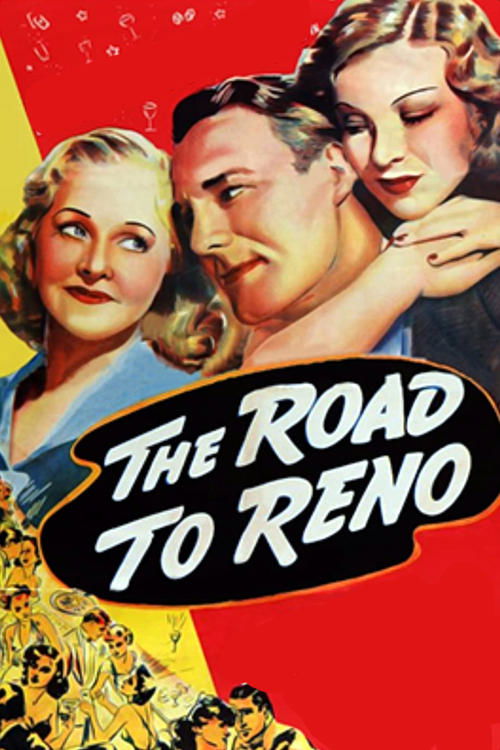
The Road to Reno
1938
No user ratings available yet
Representation score: 1.9 out of 10
Representation Score
Limited
1934
PassedDirector
H. Bruce Humberstone
Runtime
64 minutes
Average Rating
No ratings yetNew Showbiz Analysis
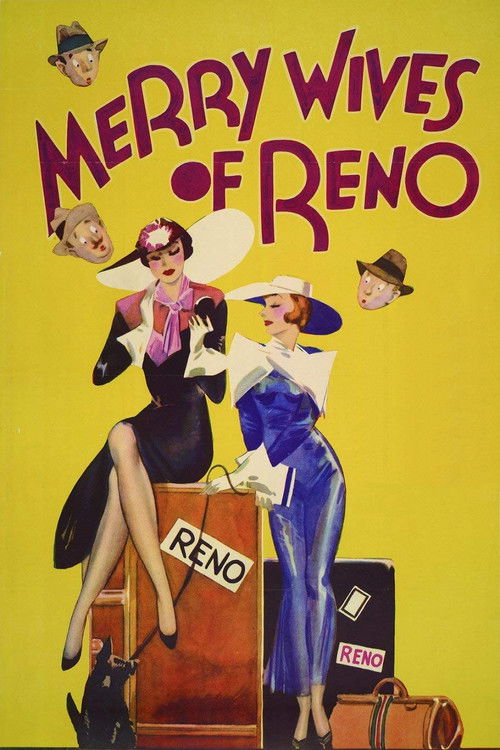
Merry Wives of Reno is a product of the Pre-Code era, showcasing the evolving social norms of the 1930s. While it lacks significant diversity in terms of race or LGBTQ+ identities, it stands out in the ability to act of its female characters. By focusing on women taking control of their marital situations, the film subverts traditional gender roles. However, it remains largely conventional, operating within the homogeneous social frameworks of the studio system, offering situational comedy rather than deep cultural critique.
Category Breakdown
The film centers on heterosexual relationships and marital issues. It does not include any same-sex relationships or characters with non-binary gender identities.
Female characters Madge and Lois take initiative by traveling to Reno to start divorce proceedings. This challenges the stereotype of passive wives, though the film maintains a comedic tone.
The production adheres to typical 1930s casting practices. The story focuses on a homogeneous social group without significant racial diversity.
Divorce is portrayed humorously, subtly challenging strict institutional views on marriage. The film stays within the standard entertainment structures of the studio era.
The film does not feature any characters with visible or invisible disabilities. Disability is not used as a narrative element.
Present on Screen
Limited or Absent
Official Synopsis
Three couples raise a ruckus when they travel to Nevada for quickie divorces.
1938

1934
1941
1939
1946
1933
1943
1938
No reviews yet. Be the first to share your thoughts on this movie!
Use the rating form above to leave a star rating and optional review.