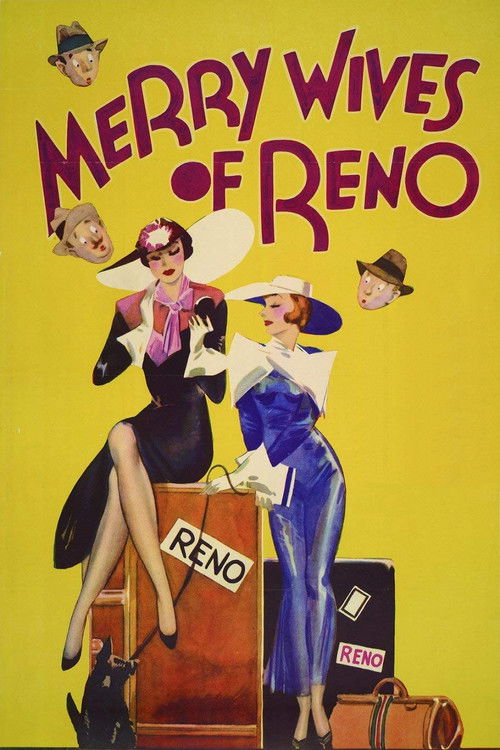
Merry Wives of Reno
1934
No user ratings available yet
Representation score: 3.0 out of 10
Representation Score
Minimal
1938
NRDirector
S. Sylvan Simon
Runtime
72 minutes
Average Rating
No ratings yetNew Showbiz Analysis
The Road to Reno is a product of the 1938 studio system, adhering to the conventional comedic formulas and social hierarchies of its time. While the female protagonist exercises control by seeking a divorce, the film operates within a framework that upholds traditional gender roles through situational irony. Diversity is limited by the period's standards, resulting in a predominantly white cast and a focus on straight-centered domestic conflicts. The narrative prioritizes established social institutions like marriage and property over any systemic critique or layered representation.
Category Breakdown
The film does not include any characters with non-binary gender identities or same-sex relationships. It focuses solely on the traditional heterosexual relationship.
A female opera singer drives the plot by seeking a divorce, indicating she has some control over her life. However, her rebellion seems to serve as a temporary comedic element rather than a deep critique of societal norms.
The film reflects the casting standards of 1938, depicting Western American ranching culture through a predominantly white cast without any evidence of diverse casting.
The story centers on traditional Western institutions such as marriage, property, and legal divorce processes. It emphasizes social stability and conventional family structures.
There is no information available regarding the inclusion of characters with physical or neurodivergent disabilities.
Present on Screen
Limited or Absent
Official Synopsis
An opera singer travels to Reno to divorce her rancher husband.
1934

1934
1941

1938
1938
1938
1946

1934
No reviews yet. Be the first to share your thoughts on this movie!
Use the rating form above to leave a star rating and optional review.