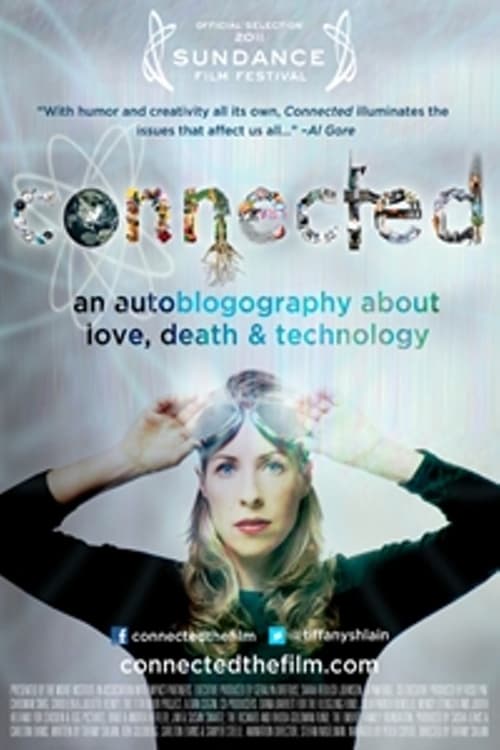
Connected: An Autoblogography About Love, Death & Technology
2011
No user ratings available yet
Diversity score: 5.8 out of 10
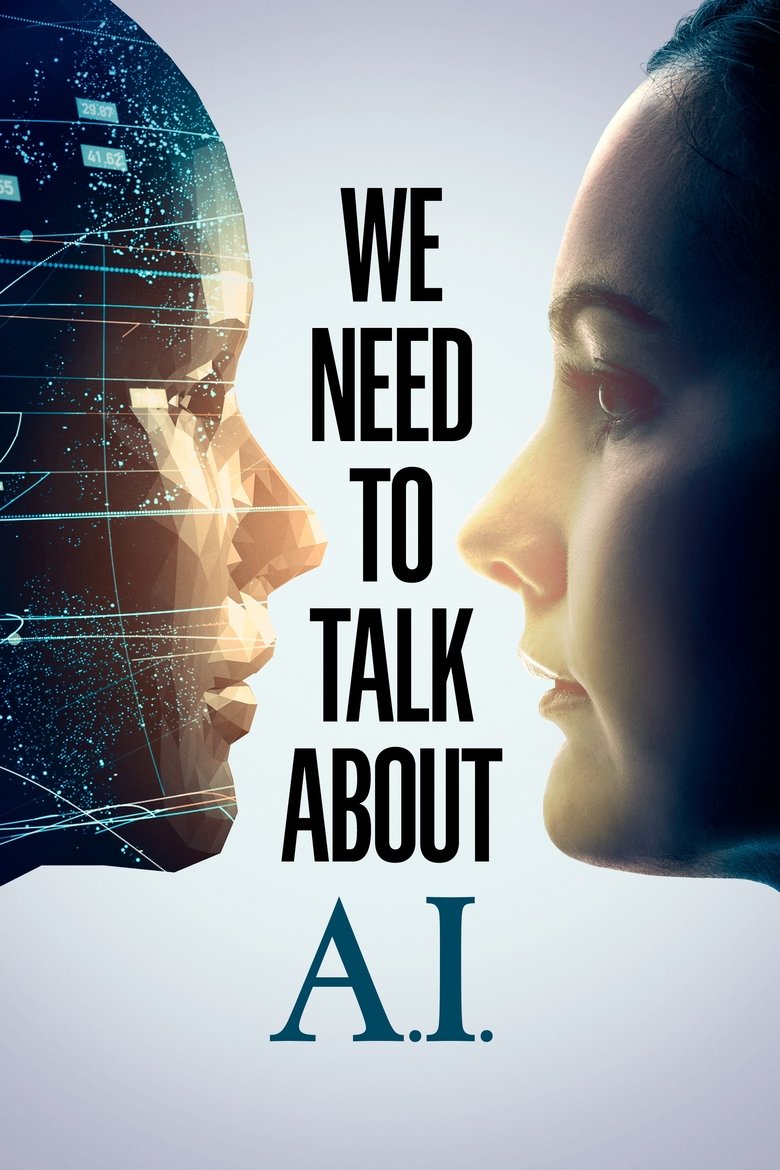
2020
Director
Leanne Pooley
Runtime
86 minutes
Average Rating
No ratings yetSynopsis
Conflict between man and machine has been a science fiction staple for over a century. From 2001: A Space Odyssey to The Terminator the perceived threat posed by super-intelligent robots has been exploited by Hollywood for decades. But do advances in Artificial Intelligence mean we are now facing a future in which that threat could become a reality?
Overall Score
Fair
Category Breakdown
LGBTQ+ Representation
The film functions as an intellectual inquiry into consciousness rather than a character-driven narrative. It lacks explicit depictions of LGBTQ+ individuals, remaining a neutral entry regarding non-cisnormative identities.
Gender Representation
The documentary disrupts traditional hierarchies by placing women in high-level scientific discourse. Featuring female experts challenges the masculine archetypes often found in technological narratives.
Racial & Ethnic Diversity
The film engages with a globalized scientific community and the global impact of AI. While specific racial compositions are unconfirmed, the subject matter transcends Anglo-Saxon centricity.
Religious & Cultural Diversity
The narrative adopts a postmodern stance by questioning Western humanism and traditional moralities. It critiques centralized technological control and the potential for systemic oppression via algorithmic bias.
Disability Representation
The exploration of consciousness and reality touches upon neurodivergent perspectives. However, there are no explicit depictions of individuals with visible or invisible disabilities.
Strengths
Areas for Improvement
AI Analysis
Leanne Pooley’s documentary moves away from traditional Western certainties, embracing a postmodern framework that questions identity and agency. It succeeds in shifting the focus from male-centric technological tropes to a more nuanced distribution of intellectual agency by featuring female experts. While the film provides a theoretical space for deconstructing human exceptionalism, it lacks overt, character-driven representation. The intellectual depth of the subject matter offers a platform for systemic critique, even when specific intersectional casting is not explicitly documented.
2011
2026

2023
2016
1995
2019
2018
2012
2019

2024
2010
2016
No reviews yet. Be the first to share your thoughts on this movie!
Use the rating form above to leave a star rating and optional review.