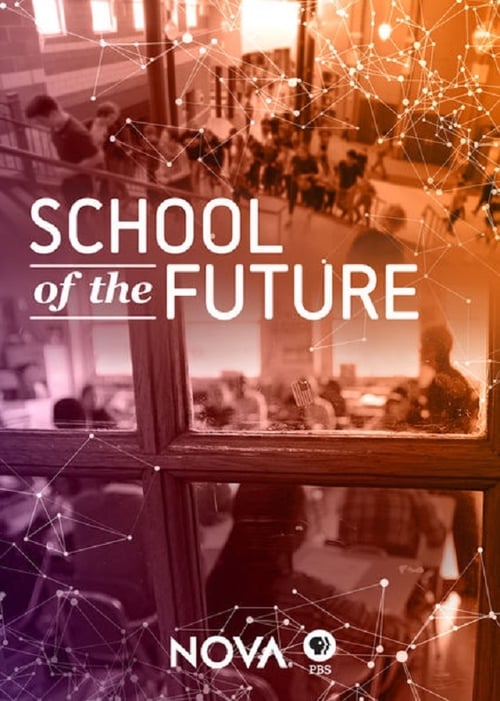
School of the Future
2016
No user ratings available yet
Diversity score: 5.4 out of 10

2016
Not RatedDirector
Sean Blacknell, Wayne Walsh
Runtime
88 minutes
Average Rating
No ratings yetSynopsis
The documentary focuses on how future technology could significantly change the two inevitable features of the human experience: punching the clock and fading away. With advanced automation and artificial intelligence, the utopia of the end of human labor or the dystopia of widespread unemployment could not be a thing of science fiction. Scientists, engineers and academics all come together to share their thoughts on the future.
Overall Score
Fair
Category Breakdown
LGBTQ+ Representation
The film maintains a neutral stance by focusing on scientific and academic discourse. It avoids reinforcing heteronormative tropes common in scripted media, though it lacks intentional LGBTQ+ centricity.
Gender Representation
The narrative explores the potential dissolution of traditional labor structures. While specific interviewee demographics are unconfirmed, the theme suggests a disruption of historical gendered roles tied to occupation.
Racial & Ethnic Diversity
The documentary utilizes a globalized framework to address universal concerns like AI. This systemic approach suggests a departure from localized, homogeneous perspectives in favor of broader intellectual inquiry.
Religious & Cultural Diversity
The film engages with anti-capitalist themes by questioning established socio-economic structures. It critiques traditional Western industrial norms through the lens of technological utopia and dystopia.
Disability Representation
There is no specific evidence regarding the inclusion of neurodivergent or physically disabled individuals. However, the exploration of human labor implicitly touches upon the varied capacities of the human condition.
Strengths
Areas for Improvement
AI Analysis
The documentary prioritizes systemic, macro-level shifts over individual identity-driven narratives. By focusing on the evolution of labor and mortality through automation and AI, the film moves away from character-driven social hierarchies. Its progressive value lies in its interrogation of capitalism and the potential for technology to disrupt long-standing human hierarchies. The film functions as a cerebral inquiry into how technology might render current economic models obsolete. However, the work lacks explicit identity-driven agency. Because the focus remains on scientific and academic perspectives, it does not provide deep representation for specific marginalized groups.
2016

2009

2016

2012
2019

2023
2010
2012

2014

2017

2011

2020
No reviews yet. Be the first to share your thoughts on this movie!
Use the rating form above to leave a star rating and optional review.