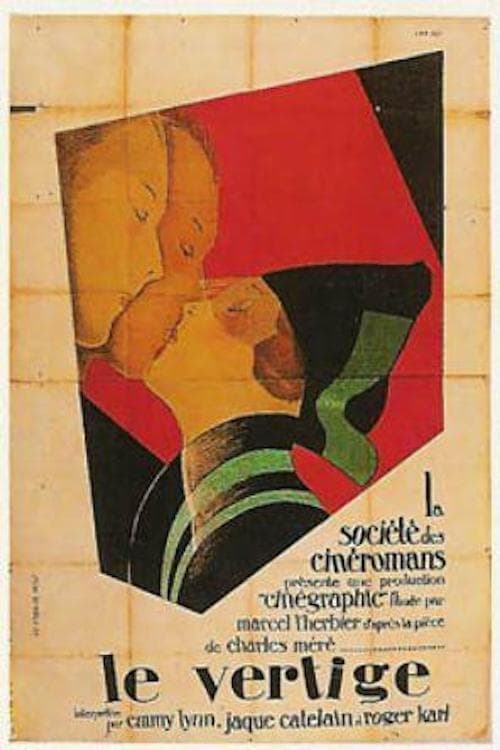
Le Vertige
1926
No user ratings available yet
Representation score: 3.3 out of 10

Representation Score
Minimal
1926
PassedDirector
Cecil B. DeMille
Runtime
120 minutes
Average Rating
No ratings yetNew Showbiz Analysis
The film operates as a typical 1920s melodrama, emphasizing romantic tragedy over social subversion. While it highlights the female protagonist, her influence is confined by the era's patriarchal norms. Social diversity is limited to economic differences between the aristocracy and the working class. The production maintains an ethnically consistent cast that reflects the historical context without challenging Eurocentric or period-specific casting norms. Overall, the film upholds established social and gender hierarchies. It lacks representation for LGBTQ+ identities and characters with disabilities, focusing instead on the personal outcomes of romantic choices.
Category Breakdown
The film does not include any representations of LGBTQ+ identities. The plot centers around a conventional love triangle that follows the heterosexual norms of the 1920s.
Princess Vera is the main character and plays a significant role. However, her influence is limited by the social hierarchy and traditional melodramatic themes focused on romantic crises.
The cast is ethnically uniform, reflecting a 19th-century Russian setting. While it shows economic differences, it does not use diverse casting to challenge historical norms.
The narrative emphasizes personal passion and moral failures rather than broader social critiques. It prioritizes personal melodrama over wider socio-political commentary.
There are no characters with visible or invisible disabilities portrayed with significant roles. No such representation exists in the narrative.
Present on Screen
Limited or Absent
Official Synopsis
During the Russian Revolution Princess Vera, though betrothed to Prince Dimitri, is attracted to the peasant Feodor.
1926

1925

1918
1935
1927

1928
1928

1923
No reviews yet. Be the first to share your thoughts on this movie!
Use the rating form above to leave a star rating and optional review.