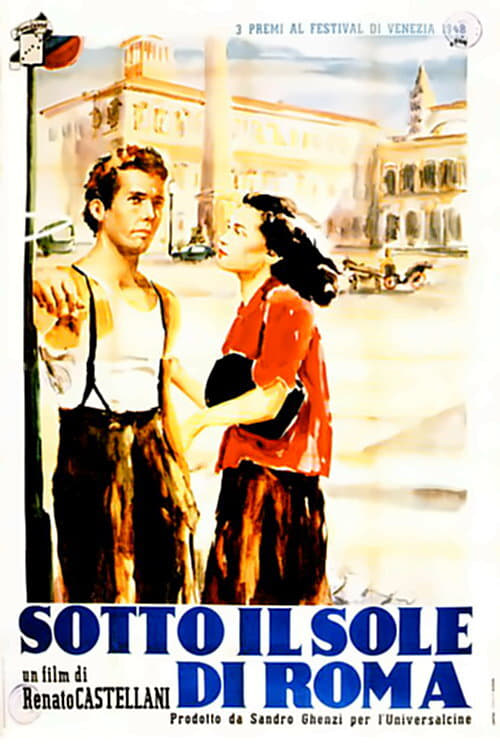
Under the Sun of Rome
1948
No user ratings available yet
Representation score: 4.5 out of 10
Representation Score
Fair
2005
Director
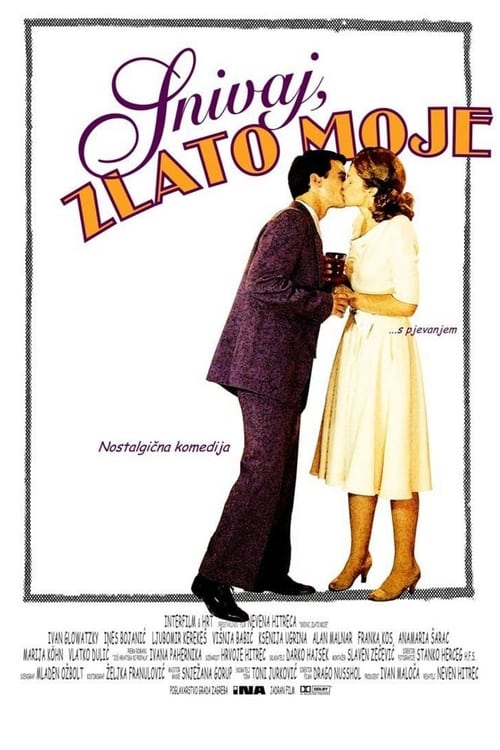
Hrvoje Hitrec
Runtime
110 minutes
Average Rating
No ratings yetNew Showbiz Analysis
Sleep Sweet, My Darling is a character-driven historical drama that prioritizes regional authenticity over contemporary diversity markers. It explores the friction between individual identity and the weight of historical transition during the end of World War II. The film operates within the traditional constraints of its 1945 setting, which limits the presence of modern diversity markers. Instead, it focuses on the nuances of personal growth during systemic upheaval. While the film offers a deep look at regional identity and situational ethics, it lacks the explicit representation of underrepresented groups found in more progressive modern narratives.
Category Breakdown
The film does not include explicit representation of non-straight identities. Set in the immediate aftermath of World War II, the narrative focuses on traditional social structures.
The story centers on the coming-of-age journey of a male protagonist named Tomica Skrinjar. There is no evidence of female characters driving the plot or challenging traditional gender roles.
As a Croatian production set in the 1940s, the film reflects the ethnic homogeneity of the region. It does not feature diverse casting or racial metaphors.
The post-war setting allows for an exploration of subjective morality and shifting political eras. The narrative engages with the tension between established orders and new systemic realities.
There is no documented evidence regarding the portrayal of physical or neurodivergent disabilities within the film.
Present on Screen
Limited or Absent
Official Synopsis
A bittersweet coming of age of Tomica Skrinjar, starting at the tail end of World War II in 1945.
1948

1966

1991

2006

2003
1999

1981

2015
No reviews yet. Be the first to share your thoughts on this movie!
Use the rating form above to leave a star rating and optional review.