
Vodka Lemon
2003
No user ratings available yet
Representation score: 6.1 out of 10
Representation Score
Fair
2005
Director
Hrvoje Hribar
Runtime
109 minutes
Average Rating
No ratings yetNew Showbiz Analysis
The film functions as a character-driven dramedy that prioritizes regional social realism over broad demographic diversity. It succeeds in deconstructing institutional authority, particularly through the lens of a priest's personal struggle against religious duty. While the film offers a nuanced look at gender ability to act and cultural critique, it lacks significant racial or LGBTQ+ diversity. The focus remains tightly bound to the specific ethnic and social textures of a post-war Croatian environment. Ultimately, the work is a study of social friction and the breakdown of traditional moral hierarchies within a specific cultural landscape.
Category Breakdown
The film explores a priest's internal conflict regarding romantic desire, disrupting traditional clerical expectations. There is no explicit evidence of non-straight relationships in the narrative.
The widow serves as a primary mover in the plot, driving the emotional stakes of the romantic pursuit. This positioning challenges clichés of female passivity within a post-war landscape.
The setting reflects the demographic homogeneity of a regional Croatian production. While the film engages with ethnic identity politics, there is no evidence of significant racial blending.
The story critiques systemic stability by framing a priest caught between personal desire and institutional duty. It portrays religious authority as a site of struggle rather than infallible comfort.
The narrative contains no mention of characters possessing visible or invisible disabilities.
Present on Screen
Limited or Absent
Official Synopsis
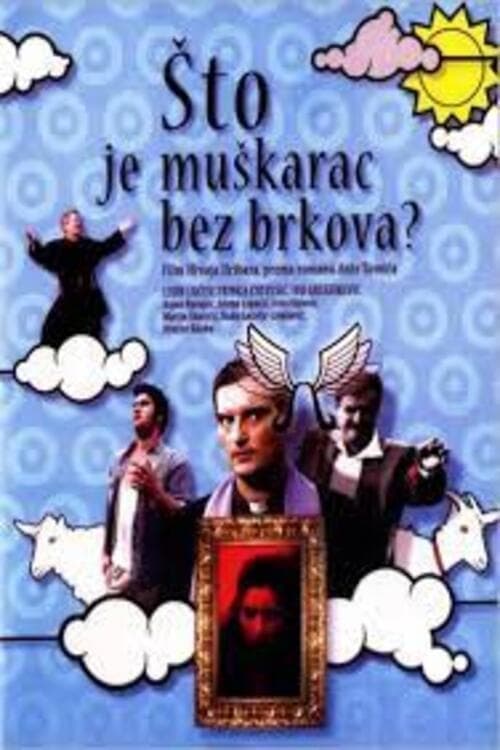
A young widow, an aging widower-returnee, and a priest from a bankrupt parish are struggling to come to terms with the post-war environment, complete with its prejudices, illusions, and unpleasant mentality. What follows is a romantic comedy set in rough landscape, about a woman who falls in love with a local priest. He is not blind to her love, but is unable to choose between the church and her, until the circumstances force him to make his choice.
2003
1961
2017
2016
1980
2008
2010
2016
No reviews yet. Be the first to share your thoughts on this movie!
Use the rating form above to leave a star rating and optional review.