
The Student Prince
1954
No user ratings available yet
Representation score: 0.4 out of 10
Representation Score
Minimal
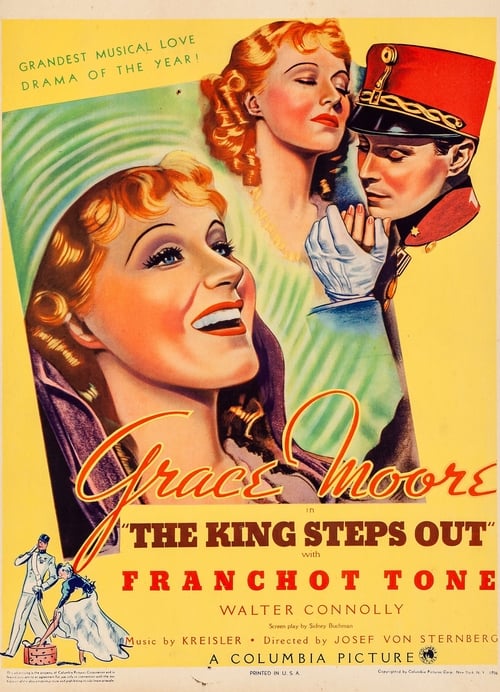
1936
ApprovedDirector
Josef von Sternberg
Runtime
85 minutes
Average Rating
No ratings yetNew Showbiz Analysis
The King Steps Out is a quintessential product of 1930s studio escapism, emphasizing stylized romance over social or demographic diversity. The film adheres to the rigid hierarchies of its time, presenting a homogeneous view of European nobility. Narratively, the film centers on the personal journey of the King, which restricts the roles of female characters and avoids disrupting patriarchal or class structures. The absence of diverse representation aligns with the period's cinematic standards. Ultimately, the film serves as a romantic fantasy that reinforces existing social orders without challenging them through varied perspectives or systemic critique.
Category Breakdown
The film does not include any identifiable LGBTQ+ characters or non-cisgender identities. The romantic structure follows strict heterosexual norms typical of the 1930s.
Madeleine Carroll plays a central role, but the narrative primarily revolves around the male protagonist's journey. Female characters' actions are largely tied to the King's experiences and romantic clichés.
The cast is predominantly white and European, reflecting the production context of 1936. There are no intentional inclusions of non-Anglo-Saxon characters within this fictional monarchy.
The story examines the relationship between monarchy and commoners through individualistic romance. It upholds traditional Western structures of nobility without critiquing class systems.
There are no prominent depictions of visible or invisible disabilities within the narrative.
Present on Screen
Limited or Absent
Official Synopsis
Princess is destined to marry the Emperor, until her sister steps in.
1954
1948
1930
1951
1935

1937

1940
1948
No reviews yet. Be the first to share your thoughts on this movie!
Use the rating form above to leave a star rating and optional review.