Dressed to Kill
1980
No user ratings available yet
Representation score: 5.8 out of 10
Representation Score
Good
1988
RDirector
Annabel Jankel, Rocky Morton
Runtime
96 minutes
Average Rating
No ratings yetNew Showbiz Analysis
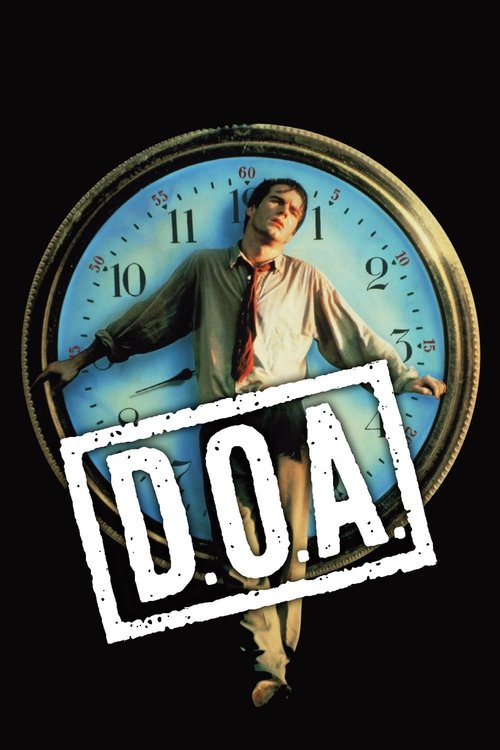
D.O.A. is a postmodern experiment that prioritizes visual texture and surrealism over traditional character-driven narratives. It successfully challenges the stability of authority and traditional storytelling structures through its chaotic, dystopian setting. However, the film's emphasis on hyper-stylized imagery sometimes overshadows identity-based ability to act. While the cast is diverse, racial and gender identities are often secondary to the film's avant-garde aesthetic. Ultimately, the work offers a progressive cinematic texture by rejecting social hierarchies, even if it does not fully develop multi-layered themes or explore disability and LGBTQ+ identities in depth.
Category Breakdown
The film does not feature explicit same-sex relationships or characters exploring their gender identity. Its MTV-inspired style creates a fluid atmosphere but does not offer clear representation of LGBTQ+ individuals.
The narrative challenges the typical heroic male storyline by placing the protagonist in a highly vulnerable position. Female characters play important roles within this surreal world, but their influence is tied to broader themes.
The cast includes a mix of ethnicities, adding diversity to the film. However, racial identity is often overshadowed by the film's strong visual style and focus on surface-level aesthetics.
The film effectively deconstructs traditional institutions and authority figures, presenting a corrupt and ineffective system. This critique highlights the unreliability of stable social structures and objective truths.
Characters with disabilities are not prominently featured, and their roles do not significantly impact the narrative. The protagonist's condition serves as a standard plot device rather than a deep exploration of disability.
Present on Screen
Limited or Absent
Official Synopsis
Dexter Cornell, an English Professor becomes embroiled in a series of murders involving people around him. Dexter has good reason to want to find the murderer but hasn't much time. He finds help and comfort from one of his student, Sydney Fuller.
1980
1981
1992
1972
1997
1992

1992
1949
No reviews yet. Be the first to share your thoughts on this movie!
Use the rating form above to leave a star rating and optional review.