
The Boy Who Came Back
1958
No user ratings available yet
Diversity score: 4.3 out of 10
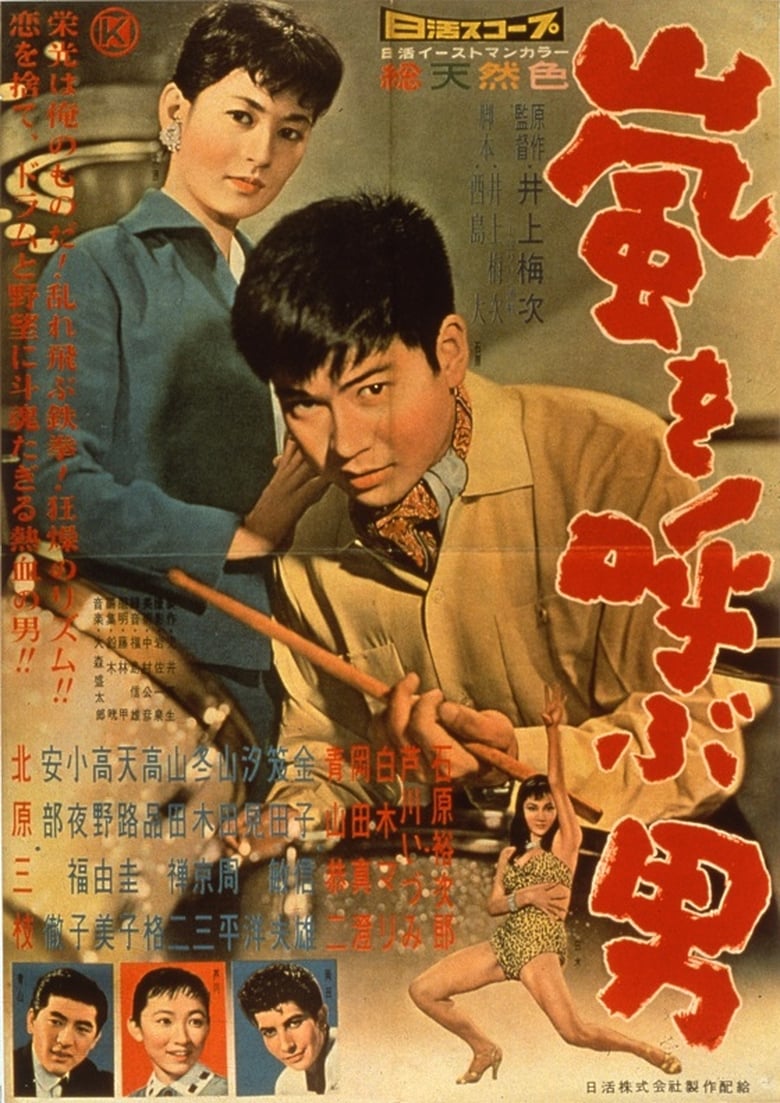
1957
Director
Umetsugu Inoue
Runtime
100 minutes
Average Rating
No ratings yetSynopsis
Shoichi Kokubun (Yujiro Ishihara) is a roughneck street musician, who has a brother that is determined to propel him into stardom. In attempt to catch the attention of a popular jazz band, his brother appeals to their manager who has the power to make him a star. In a graphic portrayal of love, betrayal and success, Shoichi brews up a storm with a 'rat-a-tat-tat' on the drums.
Overall Score
Limited
Category Breakdown
LGBTQ+ Representation
The film focuses on the fraternal bond between Shoichi and his brother. There is no evidence of non-cisnormative identities or narratives that critique heteronormativity.
Gender Representation
The plot is driven by masculine pursuits of ambition and musical mastery. While love and betrayal are mentioned, female characters lack independent agency or subversion of traditional hierarchies.
Racial & Ethnic Diversity
As a 1957 Japanese production, the cast is culturally homogeneous. It lacks racial blending and does not actively engage in subverting Anglo-centric norms.
Religious & Cultural Diversity
The story explores ambition within the jazz subculture, reflecting Western musical influence. However, it follows a traditional arc of seeking validation from established power structures.
Disability Representation
There is no mention of characters navigating physical, neurodivergent, or mental health conditions within the narrative.
Strengths
Areas for Improvement
AI Analysis
Man Who Causes a Storm is a traditional mid-century drama centered on individualistic ambition and familial dynamics. The narrative architecture relies heavily on male-driven plots, focusing on the relationship between a street musician and his brother. While the film incorporates Western musical elements like jazz, it adheres to conventional storytelling tropes of the era. It lacks significant disruption of established social or gender hierarchies, functioning primarily as a genre-driven period piece. Ultimately, the film reflects the social frameworks of 1950s Japanese cinema, prioritizing personal success and professional competition over intersectional or progressive character studies.
1958

1959

2013

2018
1959
1986
1950
1956

1937
1949

1946
1989
No reviews yet. Be the first to share your thoughts on this movie!
Use the rating form above to leave a star rating and optional review.