
Cuando Mexico canta
1958
No user ratings available yet
Diversity score: 3.5 out of 10
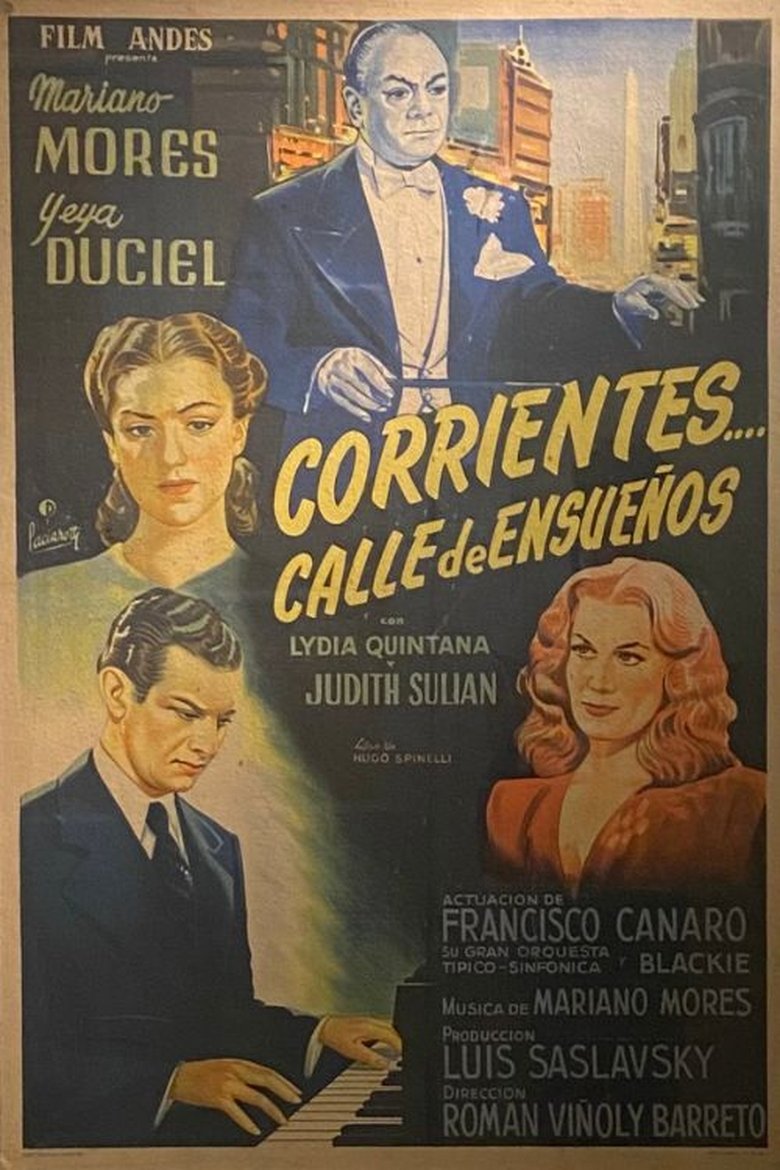
1949
AtpDirector
Román Viñoly Barreto
Runtime
75 minutes
Average Rating
No ratings yetSynopsis
Story about a humble musician who triumphs overcoming his failures and a young woman arrives in Buenos Aires from the interior of the country in search of triumph but finds death.
Overall Score
Limited
Category Breakdown
LGBTQ+ Representation
The film lacks any evidence of non-heteronormative identities. It adheres to the traditional romantic and tragic tropes typical of 1940s melodrama.
Gender Representation
A gendered dichotomy defines the story. The male protagonist possesses agency and achieves triumph, while the female character serves as a vessel for tragedy and death.
Racial & Ethnic Diversity
The narrative centers on a standard demographic for mid-century Argentine cinema. There is no indication of a diverse or non-Anglo-centric cast.
Religious & Cultural Diversity
The film uses Buenos Aires as a backdrop for personal destiny. It focuses on individual merit and the classic motif of dreams versus reality.
Disability Representation
There is no mention of characters navigating physical or neurodivergent disabilities within the available narrative description.
Strengths
Areas for Improvement
AI Analysis
This 1949 melodrama follows a rigid, traditional structure common to its era. The plot relies on a binary between male success and female tragedy, reinforcing mid-century gender roles rather than challenging them. The film prioritizes individualistic character arcs and the struggle for personal triumph. It functions as a classic study of ambition and fate within a standard urban setting. Ultimately, the work reflects the cinematic standards of its time, focusing on classical storytelling tropes rather than the representation of marginalized identities or systemic social critiques.
1958

1961
1938

1952

1963
1935
1939

1933
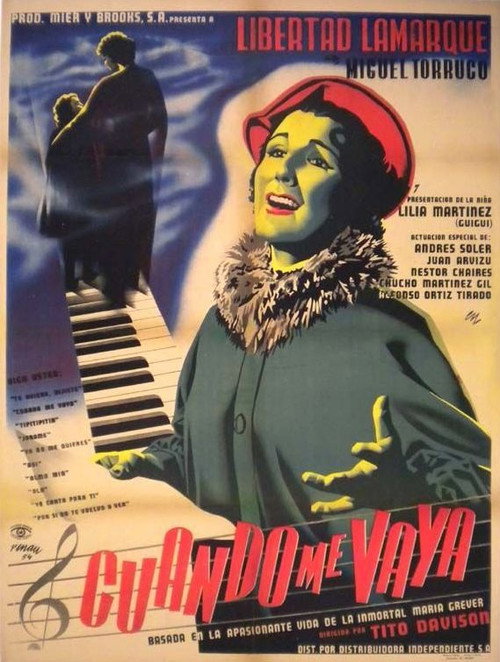
1954

1953
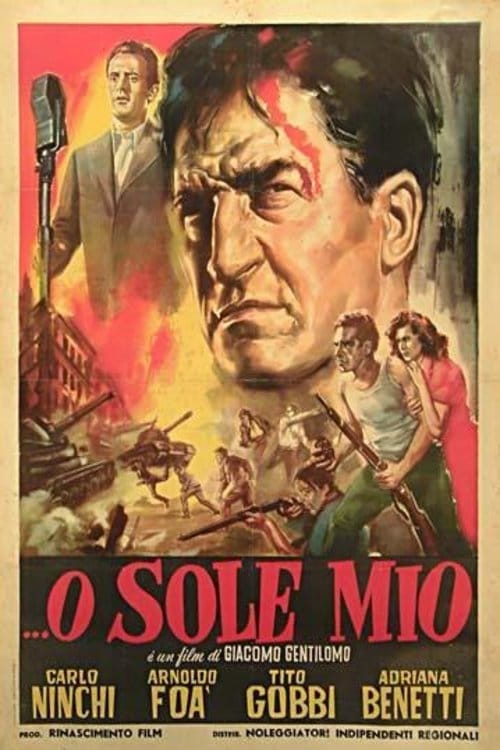
1946

1948
No reviews yet. Be the first to share your thoughts on this movie!
Use the rating form above to leave a star rating and optional review.