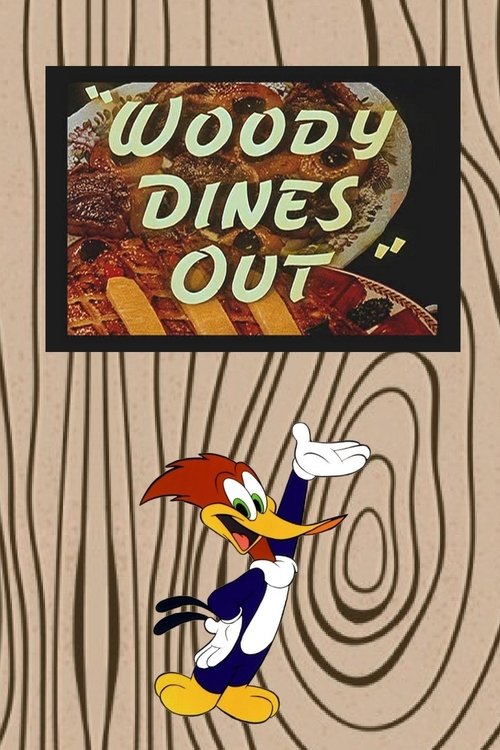
Woody Dines Out
1945
No user ratings available yet
Representation score: 0.3 out of 10
Representation Score
Limited
1944
NRDirector
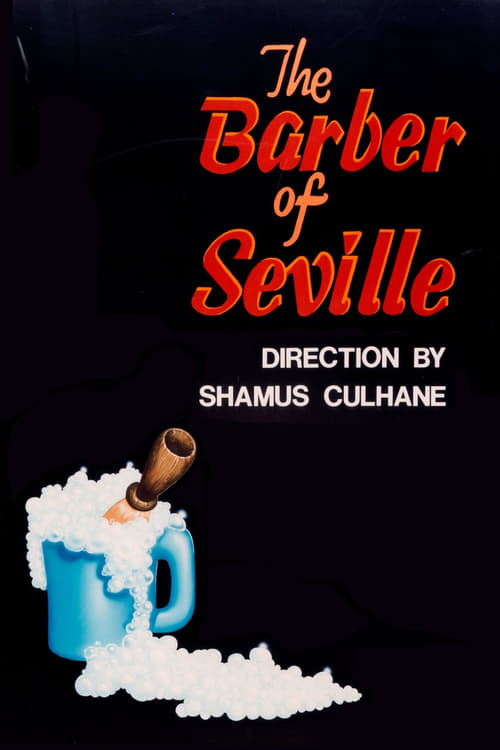
Shamus Culhane
Runtime
7 minutes
Average Rating
No ratings yetNew Showbiz Analysis
The film operates primarily within the slapstick and operatic traditions of its era. While it offers a slight subversion of gendered authority through Rosina's active role, it remains largely conventional in its romantic and social structures. Diversity is limited by the mid-century animation context, with racial representation confined to brief comedic moments. There is no representation of LGBTQ+ or disability issues. The work prioritizes kinetic energy and rhythmic pacing over social critique, maintaining the status quo of its setting while using deception for comedic effect.
Category Breakdown
The film follows a traditional romantic pursuit between Count Almaviva and Rosina. There are no depictions of non-binary gender identities or same-sex relationships.
Rosina plays a significant role in driving the story by actively navigating around her guardian's authority. Humor often arises from the incompetence of male figures.
An Indian character appears briefly for a comedic moment but lacks narrative depth or individual ability to act, serving mainly as a quick joke.
The story uses a trickster archetype to challenge rigid morality through social manipulation. However, it functions as a stylized period piece without critiquing Western institutions.
The narrative contains no representation of physical, sensory, or neurodivergent disabilities.
Present on Screen
Limited or Absent
Official Synopsis
Woody is standing outside the Seville Barber Shop looking at the ads. Wanting a "victory haircut", he decides to enter the shop only to find the owner has stepped out for a physical. Woody decides to cut his own hair ("I cut my own teeth") but unfortunately is mistaken for the owner when two other customers enter, one an Indian who wants a quick shampoo and the other, a construction worker who wants "the whole works" and, unfortunately, gets it.
1945
1945
1945
1936
1944
1929
1948
1948
No reviews yet. Be the first to share your thoughts on this movie!
Use the rating form above to leave a star rating and optional review.