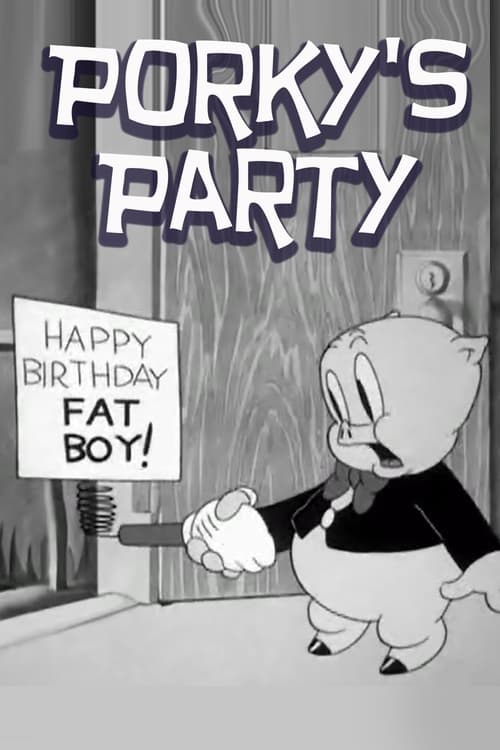
Porky's Party
1938
No user ratings available yet
Representation score: 0.4 out of 10
Representation Score
Limited
1929
Director
Walter Lantz, Tom Palmer
Runtime
6 minutes
Average Rating
No ratings yetNew Showbiz Analysis
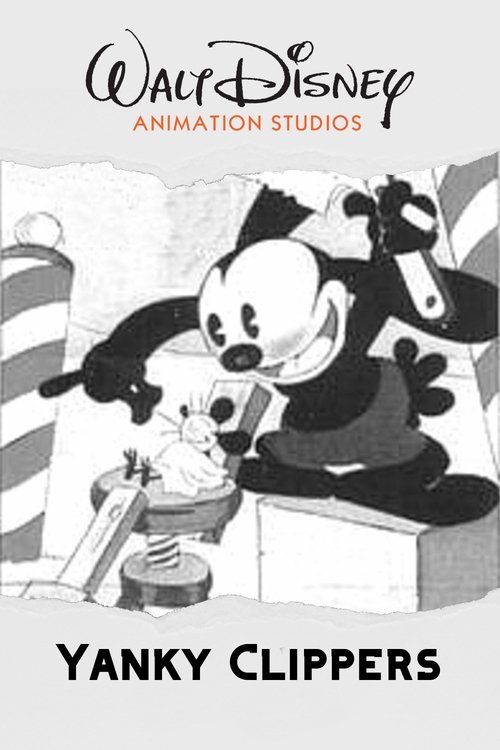
Yanky Clippers is a product of early industrial animation, emphasizing slapstick humor over deep storytelling. The humor comes from situational absurdity, like a puppy's hair growing back instantly, rather than character development. The film lacks the structure to explore themes related to overlapping social identities or human social structures. Since the characters are defined by their species and comedic roles, there is little room for meaningful representation of human social dynamics. Ultimately, the film reflects the production standards of 1929, focusing on episodic humor rather than the critique of cultural norms or power structures.
Category Breakdown
The film does not include any queer subtext or non-cisgender identities. It follows a standard comedic style typical of the late 1920s.
The story centers around anthropomorphic animals performing everyday tasks. There are no indications of gendered power dynamics or challenges to traditional hierarchies.
The cast features animal characters in a non-specific commercial environment. There is no evidence of intentional ethnic diversity or casting actors from different backgrounds.
The story depicts a traditional barber shop scene with physical comedy. It adheres to the social structures of its time without questioning Western institutions.
Physical quirks, such as rapid hair growth, serve as surreal comedic elements. These do not represent meaningful portrayals of disability or real-life experiences.
Present on Screen
Limited or Absent
Official Synopsis
A puppy is forced into a barber shop run by Oswald the Rabbit. Oswald can't shave the dog's back at first, as the hair keeps growing back. He eventually realizes the mutt's drinking hair tonic and so he takes the bottle away and finishes the job. A hippo's next in line, then an elephant, then a truculent and lascivious bear, all with equally humorous results.
1938
1936
1939
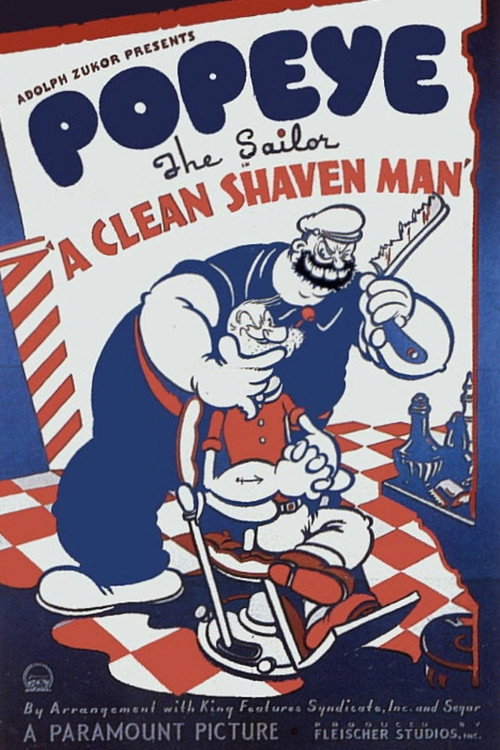
1936
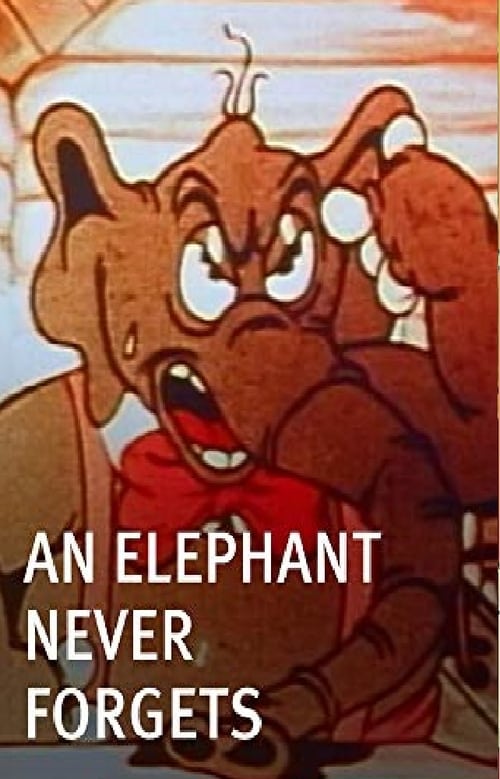
1935
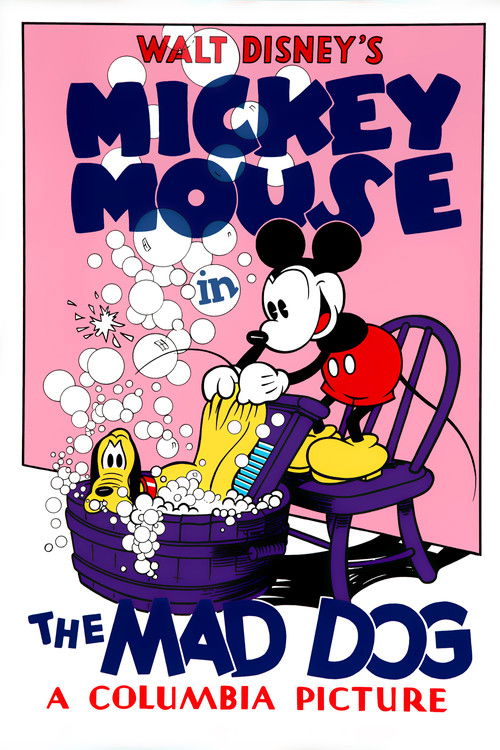
1932
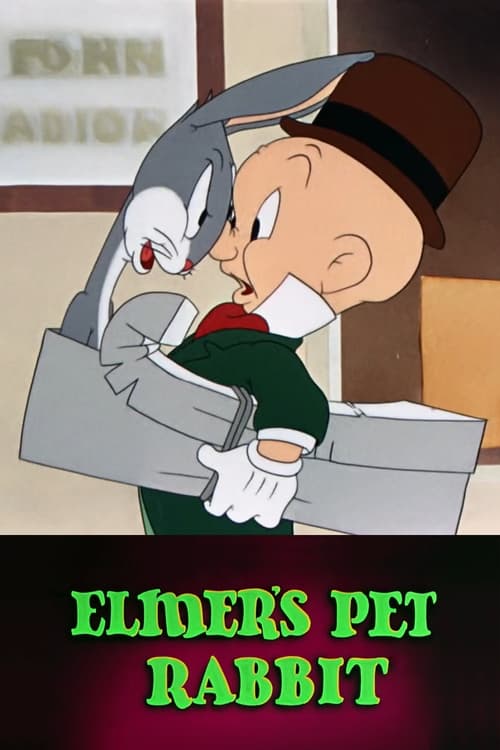
1941
1939
No reviews yet. Be the first to share your thoughts on this movie!
Use the rating form above to leave a star rating and optional review.