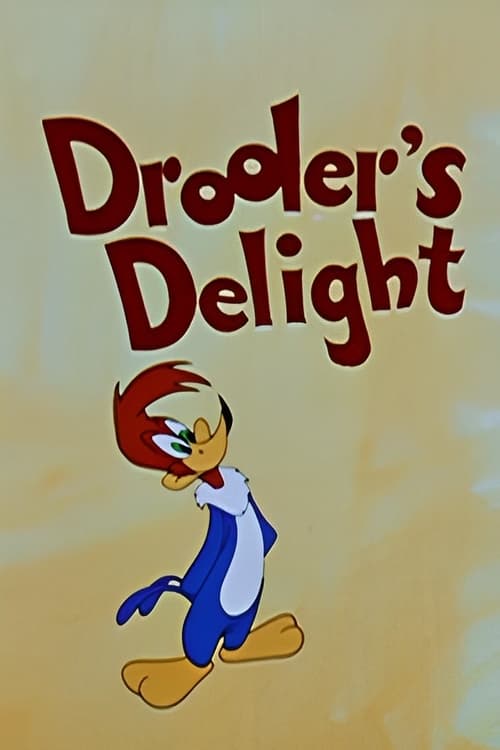
Drooler's Delight
1949
No user ratings available yet
Representation score: 2.8 out of 10
Representation Score
Minimal
1948
ApprovedDirector
Dick Lundy
Runtime
7 minutes
Average Rating
No ratings yetNew Showbiz Analysis
This short film is a product of the mid-century studio system, prioritizing slapstick comedy over demographic variety. The narrative relies on traditional archetypes that lack depth or intentional representation. The focus remains strictly on a male-driven conflict between a vagrant and a millionaire. This narrow scope results in a lack of gender, racial, and LGBTQ+ diversity. While the film touches on themes of social class, it does so through a standard comedic lens. It does not offer a systemic critique of the structures it depicts.
Category Breakdown
The film does not include any LGBTQ+ characters or stories about non-cisgender identities. It follows the assumption that everyone is straight or cisgender.
The story focuses solely on male characters, with a male protagonist and a male antagonist. Female characters are completely absent from the narrative.
The cast features anthropomorphic animals without any specific ethnic or racial diversity. The characters are homogeneous and do not blend different backgrounds.
The plot uses a trickster cliché to explore social class and upward mobility. It follows conventional comedic setups about wealth without critiquing systemic institutions.
There are no characters with physical, sensory, or neurodivergent disabilities. The protagonist's actions are framed as comedic deception rather than a portrayal of disability.
Present on Screen
Limited or Absent
Official Synopsis
After Woody Woodpecker is thrown out of a city park for being a vagrant, he decides he needs to advance his living conditions. He reads in the newspaper that millionaire Wally Walrus is looking to adopt a baby boy, so dresses himself as a baby and leaves himself on Wally's doorstep.
1949
1945
1968
1938
1954

1947
1945
1961
No reviews yet. Be the first to share your thoughts on this movie!
Use the rating form above to leave a star rating and optional review.