
Children of Pleasure
1930
No user ratings available yet
Representation score: 2.5 out of 10
Representation Score
Minimal
1929
PassedDirector
David Butler
Runtime
121 minutes
Average Rating
No ratings yetNew Showbiz Analysis
Sunny Side Up is a period-typical musical comedy that reinforces the social and romantic hierarchies of the late 1920s. The narrative prioritizes escapist entertainment and traditional romantic arcs over any meaningful social critique. The film lacks complexity in representing multiple aspects of identity, focusing instead on class distinctions between working girls and the wealthy elite. It adheres to the homogeneous casting and traditional romantic standards of early sound-era cinema, offering limited diversity.
Category Breakdown
The film centers on a wealthy male protagonist and his fiancée, following a typical romantic storyline without any representation of queer narratives or non-traditional gender identities.
Female protagonists Molly and Bee have some ability to act as working girls, but the plot mainly focuses on the male lead's romantic dissatisfaction and traditional gender roles.
The film's setting shifts between urban blocks and upscale mansions, but there is no indication of a multi-ethnic cast, reflecting the homogenous casting practices of 1929 Hollywood.
The story operates within a traditional capitalist framework, contrasting the lives of working-class individuals with those of the elite. It upholds established social and moral norms without challenging them.
There is no information available regarding the portrayal of characters with physical or neurodivergent disabilities.
Present on Screen
Limited or Absent
Official Synopsis
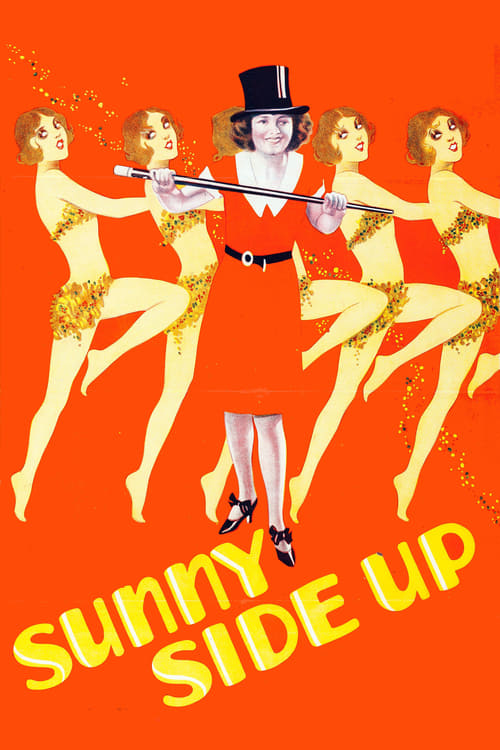
Molly and Bee, sweet young 'working girls,' live in a cheap room over a New York grocery store. Molly's idol, wealthy Jack Cromwell, lives in a Long Island mansion but is markedly less happy, since his fiancée Jane won't discourage her other admirers. Fleeing in his car, Jack ends up in an urban block party where he meets you-know-who.
1930

1933

1930

1930
1933

1935

1935

1935
No reviews yet. Be the first to share your thoughts on this movie!
Use the rating form above to leave a star rating and optional review.