
4 Days in May
2011
No user ratings available yet
Representation score: 5.9 out of 10
Representation Score
Excellent
2025
Director
Fatih Akin
Runtime
93 minutes
Average Rating
No ratings yetNew Showbiz Analysis
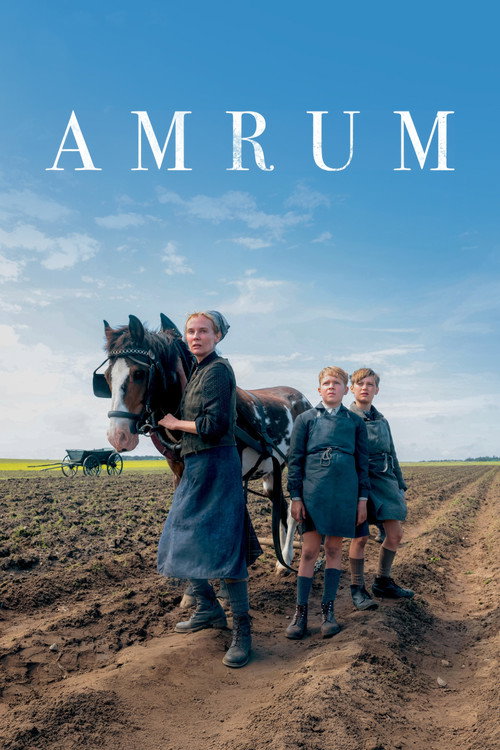
Amrum provides a nuanced historical perspective by focusing on the domestic fallout of World War II rather than traditional combat. It succeeds in challenging archetypes, particularly through its portrayal of maternal instability and the psychological impact of ideological extremism. The film's strength lies in its critical engagement with nationalist structures and its use of mental health as a meaningful narrative driver. It avoids simple clichés by centering the struggle of a child navigating a collapsing social order. However, the period setting naturally limits racial diversity. While the film explores themes of displacement and cultural non-conformity, specific representation of diverse identities remains largely symbolic or tied to the era's constraints.
Category Breakdown
The film uses clandestine jazz music as a symbol for non-conformist aesthetics. This highlights underrepresented cultural expressions that challenged the era's rigid social codes.
The narrative disrupts traditional hierarchies by depicting a mother's psychological collapse rather than a stable matriarch. This forces the young protagonist to assume traditionally male domestic roles.
Set in a 1945 German village, the cast reflects the era's demographic limits. However, themes of displacement and refugees from Hamburg introduce concepts of migration and social outsiderhood.
The film critiques nationalist institutions by portraying the mother's Nazi ideology as a source of trauma. It deconstructs the state's authority through the lens of a destructive, absent father.
Mental health is central to the plot through the mother's profound post-war depression. The film uses her psychological state to illustrate the systemic trauma of the period.
Present on Screen
Limited or Absent
Official Synopsis
On Amrum Island in spring 1945, twelve-year-old Nanning hunts seals, fishes at night, and works the fields to help feed his family. When the war ends, his mother sinks into depression, and he must navigate new conflicts while struggling to find his own path.
2011

1948
2005

2000
2016

2019

2012

2010
No reviews yet. Be the first to share your thoughts on this movie!
Use the rating form above to leave a star rating and optional review.