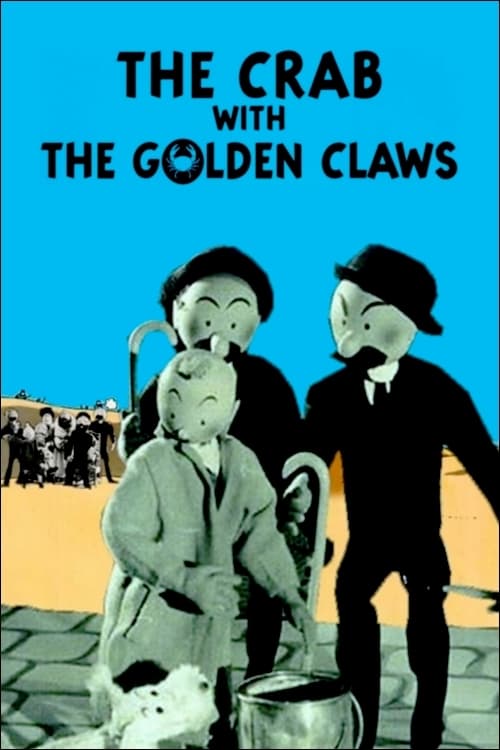
The Crab with the Golden Claws
1947
No user ratings available yet
Representation score: 0.8 out of 10
Representation Score
Limited
1969
Director
Raymond Leblanc
Runtime
78 minutes
Average Rating
No ratings yetNew Showbiz Analysis
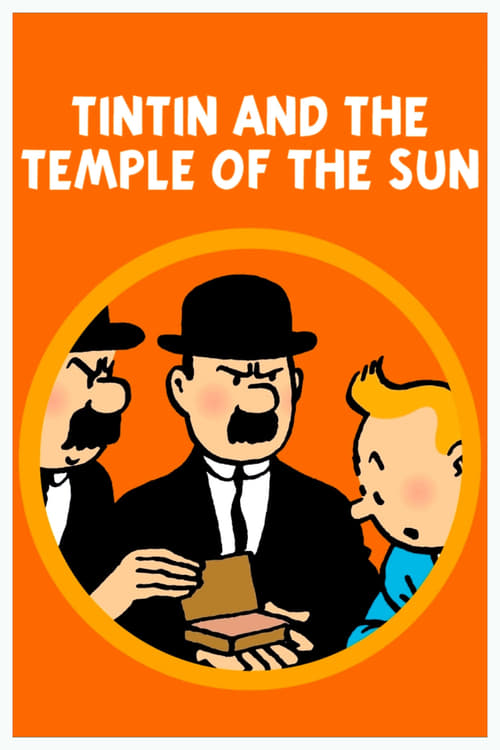
This 1969 adaptation of Hergé’s work reflects the adventure clichés popular during its time. The narrative focuses on a male-driven ensemble and views non-Western cultures through a colonialist lens. While the film includes Incan mythology and settings, it does not delve deeply into the ability to act of indigenous characters. The emphasis remains on the survival and journey of the European protagonists. Overall, the film lacks complexity in its portrayal of diverse identities, relying on established social hierarchies and supernatural elements rather than nuanced character development.
Category Breakdown
The film adheres to traditional assumptions about straight relationships and gender identity typical of 1960s animation. There are no LGBTQ+ characters or same-sex relationships among the main cast.
The main cast is mostly male, with key roles played by male characters such as Tintin and Haddock. Female characters have minor roles and are not central to the story.
The film incorporates Incan mythology and settings like Cusco, Peru, but it presents these through a Eurocentric perspective. Characters of color are in supporting roles within the European-led expedition.
The storyline contrasts Western archaeology with Incan spirituality, treating indigenous culture as mysterious rather than giving it a central role in the narrative.
There is no depiction of physical or neurodivergent disabilities. The deep sleep experienced by the archaeologists is used as a supernatural element rather than a realistic portrayal of disability.
Present on Screen
Limited or Absent
Official Synopsis
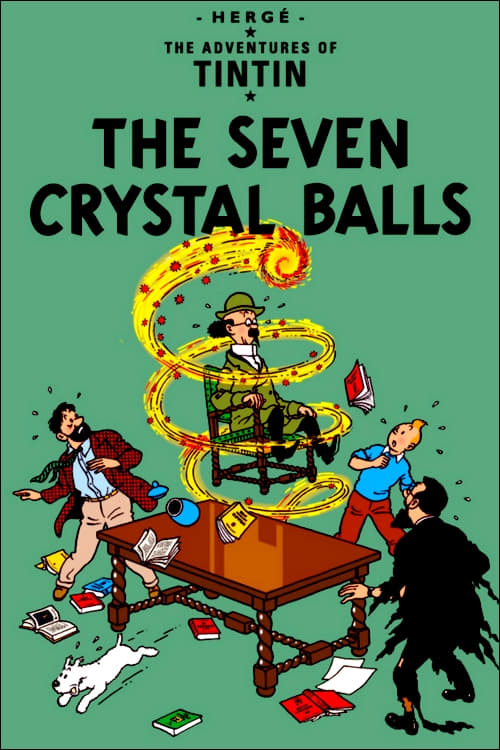
When seven archaeologists find an ancient Inca temple, they become victims of an ancient curse. Back in Europe, one by one they fall into a deep sleep and only once a day, all at the same time, they wake up for a few minutes and experience hallucinations where the sinister living mummy of Rascar Capac appears.
1947
1976
1992
1967
1995
1972
1968
1994
No reviews yet. Be the first to share your thoughts on this movie!
Use the rating form above to leave a star rating and optional review.