Asterix and the Vikings
2006
No user ratings available yet
Representation score: 2.7 out of 10
Representation Score
Fair
1976
Director
René Goscinny, Albert Uderzo
Runtime
82 minutes
Average Rating
No ratings yetNew Showbiz Analysis
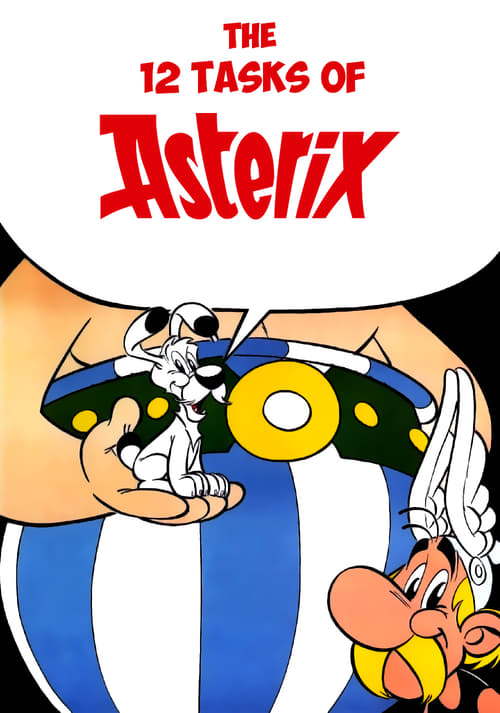
The film's strength lies in its satirical critique of imperial power. By depicting the Roman Empire as inept and oppressive, the narrative challenges established hierarchies through humor and non-conformity. However, the film struggles with representation in several areas. The focus on a male-driven plot limits gender diversity, and the lack of characters with disabilities narrows the scope of human experience. The use of ethnic caricatures provides a broad world view but relies on outdated stereotypes.
Category Breakdown
The film doesn't include any LGBTQ+ characters or explore non-straight relationships. The interpersonal dynamics stay traditional.
The story focuses on a male-dominated duo, leaving female characters in supporting roles. While the film isn't overtly misogynistic, the main characters' actions and decisions are primarily driven by the male leads.
The film uses stereotypical representations of ethnic groups like Greeks and Native Americans to build its world. These portrayals are based on mid-20th-century stereotypes but extend the scope beyond ancient Gaul.
The film effectively critiques institutional authority by showing the Roman Empire as incompetent and oppressive. It uses satire to challenge centralized power and imperial institutions.
The film doesn't offer nuanced portrayals of physical or neurodivergent disabilities. Characters are defined by physical strength or comedic roles rather than by lived experiences with disabilities.
Present on Screen
Limited or Absent
Official Synopsis
Asterix and Obelix depart on an adventure to complete twelve impossible tasks to prove to Caesar that they are as strong as the Gods. You'll roar with laughter as they outwit, outrun, and generally outrage the very people who are trying to prove them "only human".
2006
1968
2018
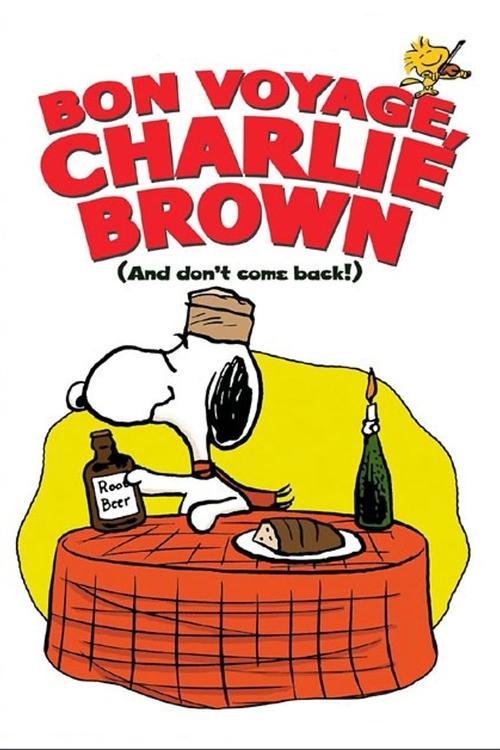
1980

2008
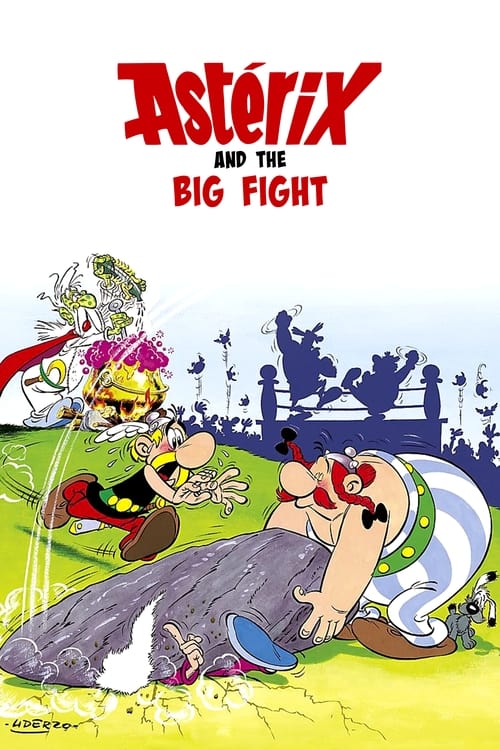
1989
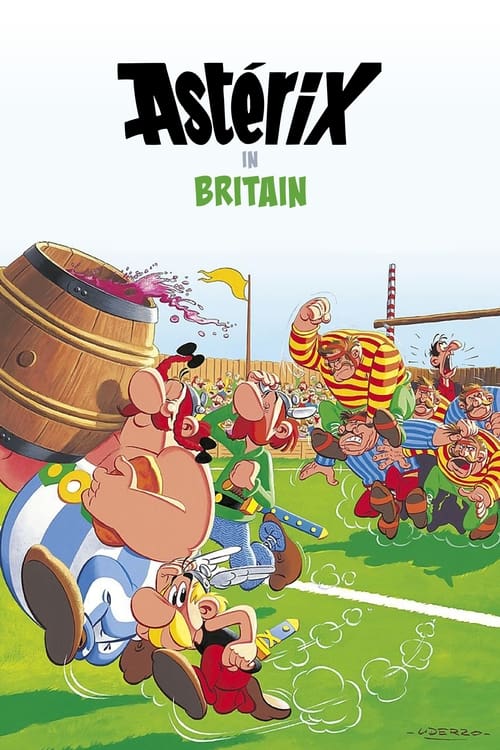
1986
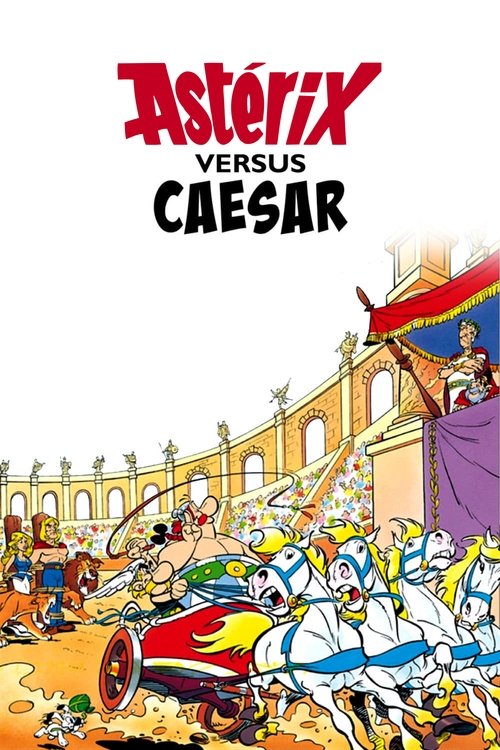
1985
No reviews yet. Be the first to share your thoughts on this movie!
Use the rating form above to leave a star rating and optional review.