Asterix in Britain
1986
No user ratings available yet
Representation score: 3.5 out of 10
Representation Score
Fair
1967
Director
Ray Goossens
Runtime
68 minutes
Average Rating
No ratings yetNew Showbiz Analysis
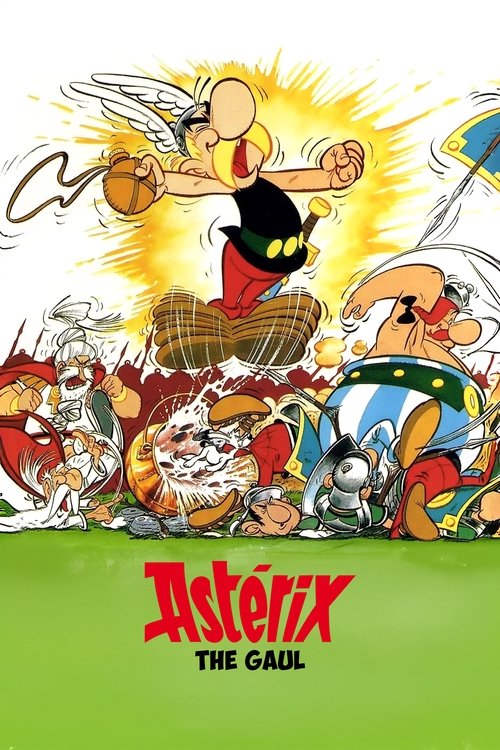
Asterix the Gaul offers a sophisticated critique of imperial conquest narratives. By portraying the Gallic resistance against the Roman Empire, the film provides a nuanced perspective on indigenous struggles for sovereignty. However, the film remains traditional in its social dynamics, emphasizing masculine leadership and physical prowess. It leaves little room for diverse gender roles or LGBTQ+ identities. Ultimately, the film's strength lies in its post-colonial framework, while its limitations lie in its narrow focus on traditional gender roles and the exclusion of LGBTQ+ identities.
Category Breakdown
The film follows the societal norms of its time, showing no evidence of LGBTQ+ identities or same-sex relationships.
The story is led by male characters, with females playing supporting roles and having little influence in the main conflicts.
The film presents Gallic villagers as an indigenous culture resisting Roman expansion, challenging the idea of empires bringing civilization.
The narrative highlights the importance of local community and autonomy over the centralized Roman order, critiquing imperial expansion.
Characters are generally depicted as able-bodied figures used for physical comedy, with the magic potion providing superhuman strength but not exploring disabilities.
Present on Screen
Limited or Absent
Official Synopsis
In the year 50 BC, Gaul is occupied by the Romans - nearly. But the small village of Asterix and his friends still resists the Roman legions with the aid of their druid's magic potion, which gives superhuman strength. Learning of this potion, a Roman centurion kidnaps the druid to get the secret formula out of him.
1986
1968
1989
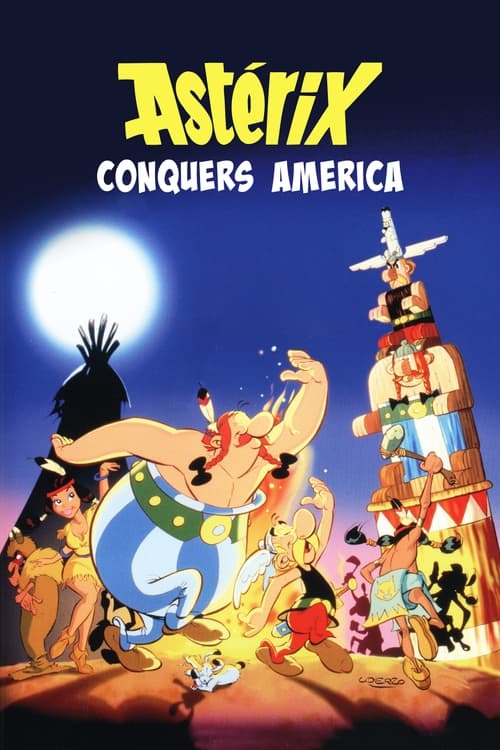
1994
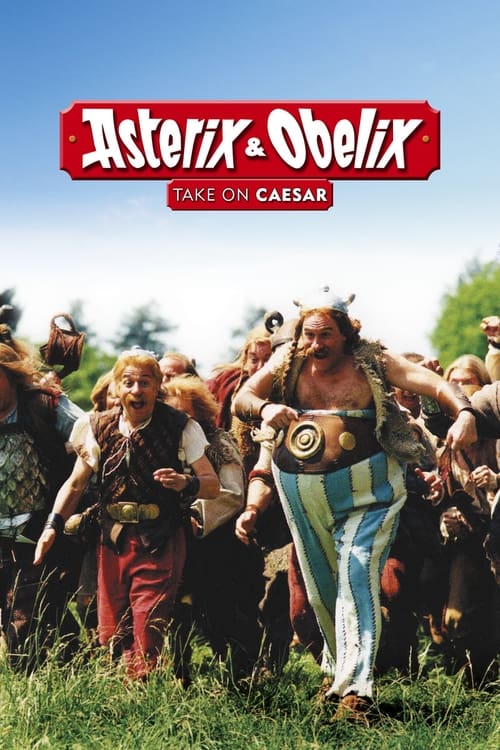
1999
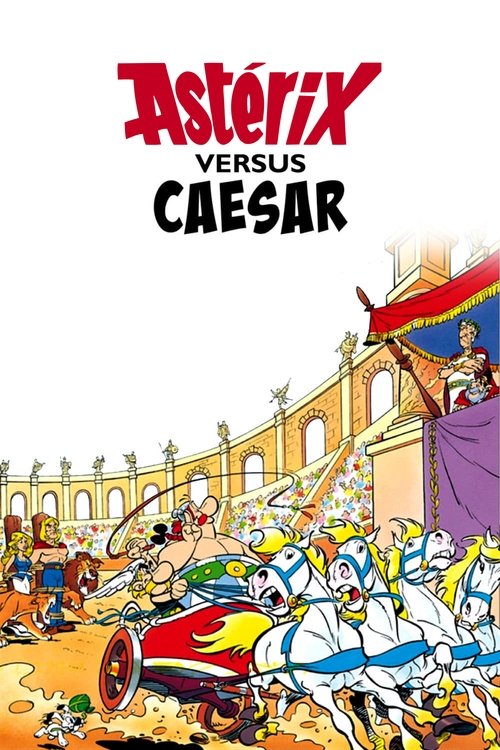
1985
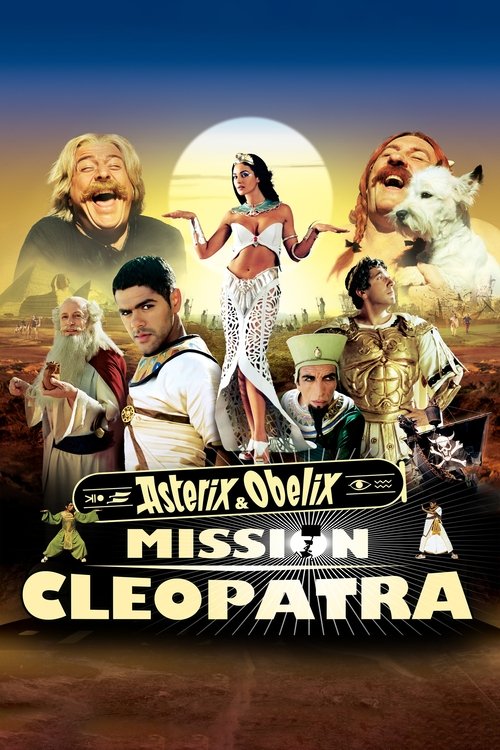
2002
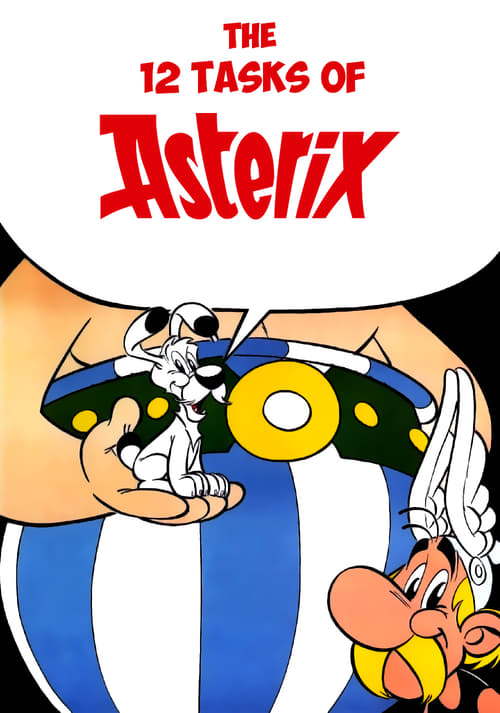
1976
No reviews yet. Be the first to share your thoughts on this movie!
Use the rating form above to leave a star rating and optional review.