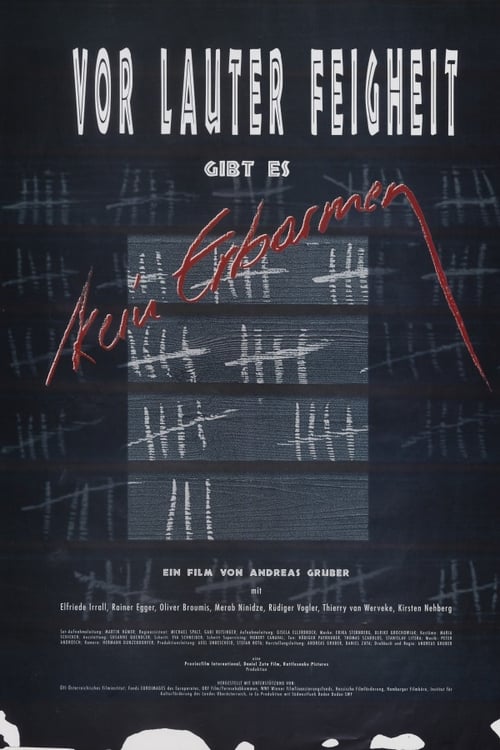
Hasenjagd - Vor lauter Feigheit gibt es kein Erbarmen
1994
No user ratings available yet
Diversity score: 5.4 out of 10
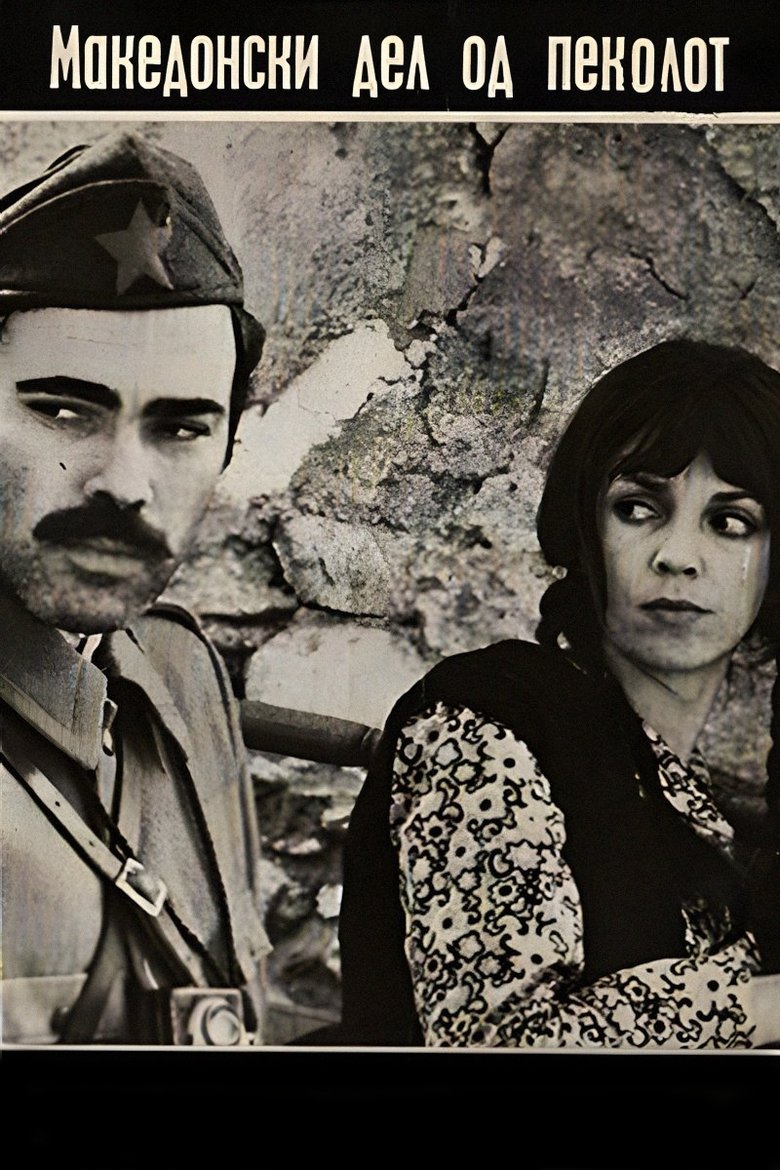
1971
Director
Vatroslav Mimica
Runtime
95 minutes
Average Rating
No ratings yetSynopsis
At the end of the year 1942 and the start of 1943, to stop spreading the revolution in county of Bitola, bulgarian occupiers are reinforcing the persecutions and the acts of violence on civil population.
Overall Score
Fair
Category Breakdown
LGBTQ+ Representation
The film lacks any evidence of LGBTQ+ narratives or non-cisnormative identities. The story focuses strictly on geopolitical and revolutionary conflict.
Gender Representation
Female characters likely serve as symbols of resilience or victims of occupation. They may subvert domestic roles to highlight the disruption caused by war.
Racial & Ethnic Diversity
The narrative prioritizes Macedonian ethnic agency during the struggle against Bulgarian occupation. It centers on a non-Anglo-Saxon identity resisting a dominant force.
Religious & Cultural Diversity
The film critiques state-driven oppression and anti-imperialism. It disrupts Western-centric hierarchies by framing the local population as revolutionary subjects against institutional authority.
Disability Representation
There are no specific details regarding the portrayal of physical or neurodivergent disabilities within this historical context.
Strengths
Areas for Improvement
AI Analysis
The film is a historical war drama centered on the Macedonian struggle against Bulgarian occupation in 1942–1943. Its strength lies in its focus on ethnic agency and its critique of systemic, state-sponsored violence. While the narrative challenges traditional political hierarchies and imperialist structures, it lacks representation for LGBTQ+ identities and disability. The focus remains heavily on the sociopolitical tensions of the Yugoslav era. Ultimately, the film serves as a study of resistance and the deconstruction of institutional authority during a period of intense regional conflict.
No reviews yet. Be the first to share your thoughts on this movie!
Use the rating form above to leave a star rating and optional review.