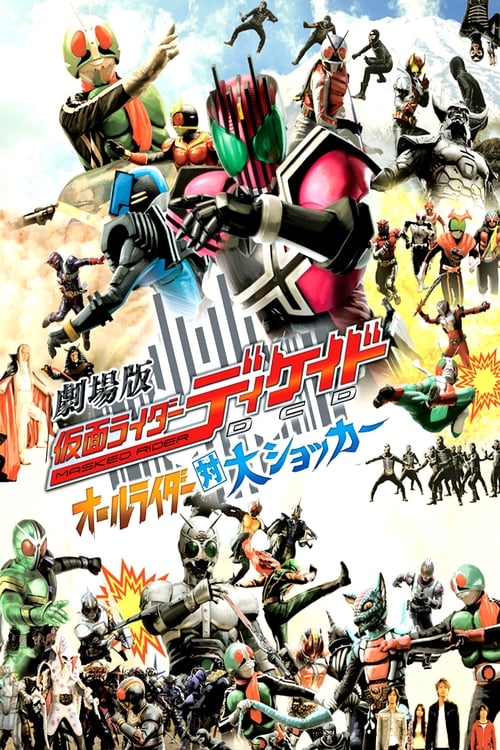
Kamen Rider Decade: All Riders vs. Dai-Shocker
2009
No user ratings available yet
Representation score: 2.6 out of 10
Representation Score
Limited
2011
Director
Koichi Sakamoto
Runtime
95 minutes
Average Rating
No ratings yetNew Showbiz Analysis
This 40th-anniversary film prioritizes franchise spectacle and traditional heroic clichés over social commentary. It relies on established power structures and masculine-driven action to honor the series' legacy. Representation is limited, focusing on continuity and combat without exploring diverse identities.
Category Breakdown
The film follows traditional structures and does not include non-assuming gender matches what was assigned at birth gender identities or same-sex relationships. Male camaraderie is emphasized.
Male characters dominate the narrative, while females mostly play supporting roles without much influence on the main plot.
The cast and setting are primarily Japanese, with sci-fi elements not addressing racial or ethnic diversity.
The story upholds traditional values and portrays vigilantism as a necessary duty to protect society.
The film does not focus on physical, sensory, or neurodivergent disabilities, emphasizing physical prowess and combat skills.
Present on Screen
Limited or Absent
Official Synopsis
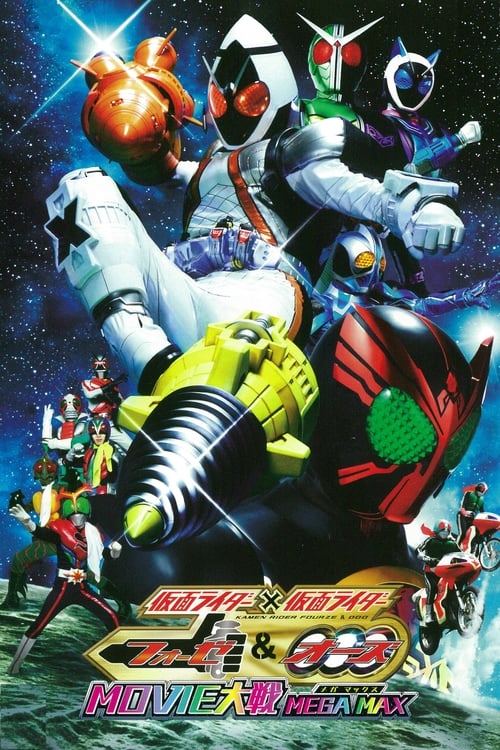
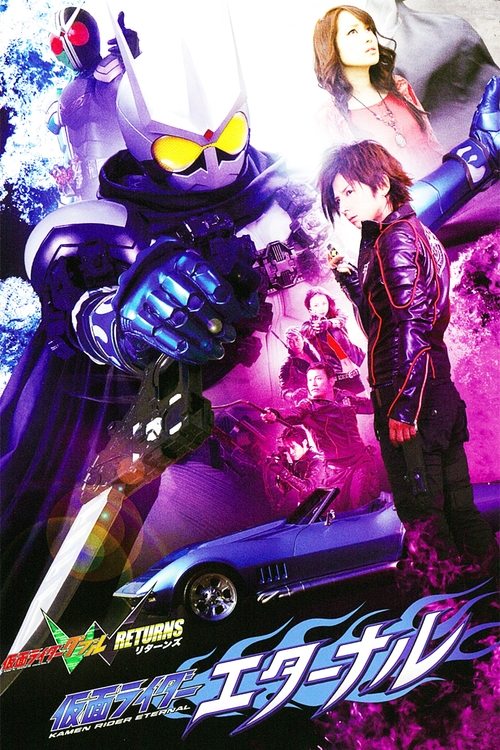
Movie War Mega Max featured the first seven Kamen Riders (Kamen Rider 1, 2, V3, Riderman, X, Amazon, and Stronger) to commemorate the franchise's 40th anniversary. Trailers for the film shown during airings of Fourze also showed the return of Kamen Rider Double as well as a new form for Kamen Rider OOO. Unlike previous Movie War films, where they were divided into 3 segments, Movie War Mega Max is divided into 5 parts. Like previous Movie War films the secondary Kamen Rider of Kamen Rider Fourze, Kamen Rider Meteor, made his debut in the film.
2009
2010
2017
2013
2016
2009
2014
2011
No reviews yet. Be the first to share your thoughts on this movie!
Use the rating form above to leave a star rating and optional review.