Glasses
2007
No user ratings available yet
Representation score: 7.5 out of 10
Representation Score
Fair
2012
Director
Yukiko Mishima
Runtime
114 minutes
Average Rating
No ratings yetNew Showbiz Analysis
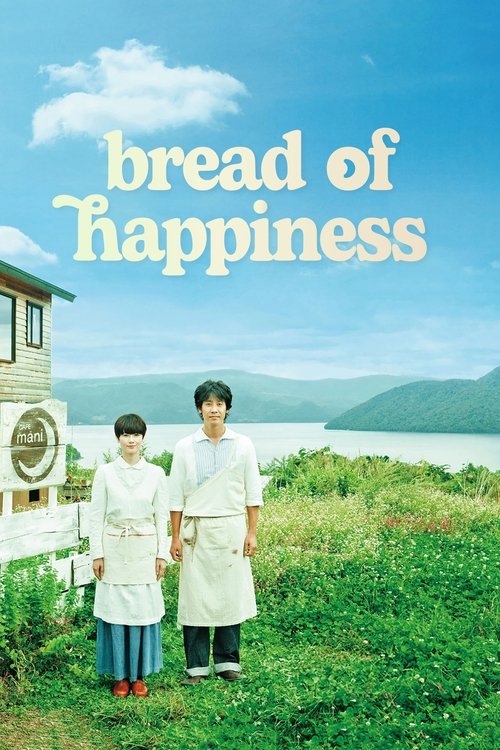
Bread of Happiness is a quiet study of lifestyle transition rather than a vehicle for overt identity politics. It finds its strength in a soft deconstruction of the modern metropolitan grind, favoring personal fulfillment over institutional success. The film lacks significant diversity in terms of racial, ethnic, or LGBTQ+ representation, functioning instead within a localized, homogeneous Japanese setting. While it avoids systemic subversion, it offers a humanistic perspective on domesticity. Ultimately, the film's progressive value lies in its rejection of capitalist urban advancement. It replaces the frantic pace of Tokyo with a self-determined, rural existence centered on artisanal craft.
Category Breakdown
The film focuses on a central couple and operates within conventional relational frameworks. There is no explicit depiction of LGBTQ+ characters or non-straight relationships driving the plot.
The film presents a collaborative domestic structure where labor is divided between cooking and baking. This partnership disrupts traditional breadwinner roles through shared artisanal passion.
Set in Hokkaido, the film reflects a homogeneous cultural environment. It maintains regional realism without actively engaging in the blending of diverse ethnic identities.
The story critiques high-pressure urban structures by prioritizing a slower, individualistic way of life. It frames personal peace as more vital than modern metropolitan careerism.
There is no discernible evidence regarding the portrayal of physical or neurodivergent disabilities within the film's narrative.
Present on Screen
Limited or Absent
Official Synopsis
A couple decide to relocate from Tokyo to the northern island of Hokkaido where they settle and establish a bakery and café called Mani. One cooks. The other bakes. Everyone walks out happy.
2007

2018
2010

2015
2014

2003
2011

2012
No reviews yet. Be the first to share your thoughts on this movie!
Use the rating form above to leave a star rating and optional review.