Mirror of Holland
1950
No user ratings available yet
Diversity score: 1.0 out of 10
1931
Director
Otakar Vávra, František Pilát
Runtime
4 minutes
Average Rating
No ratings yetSynopsis
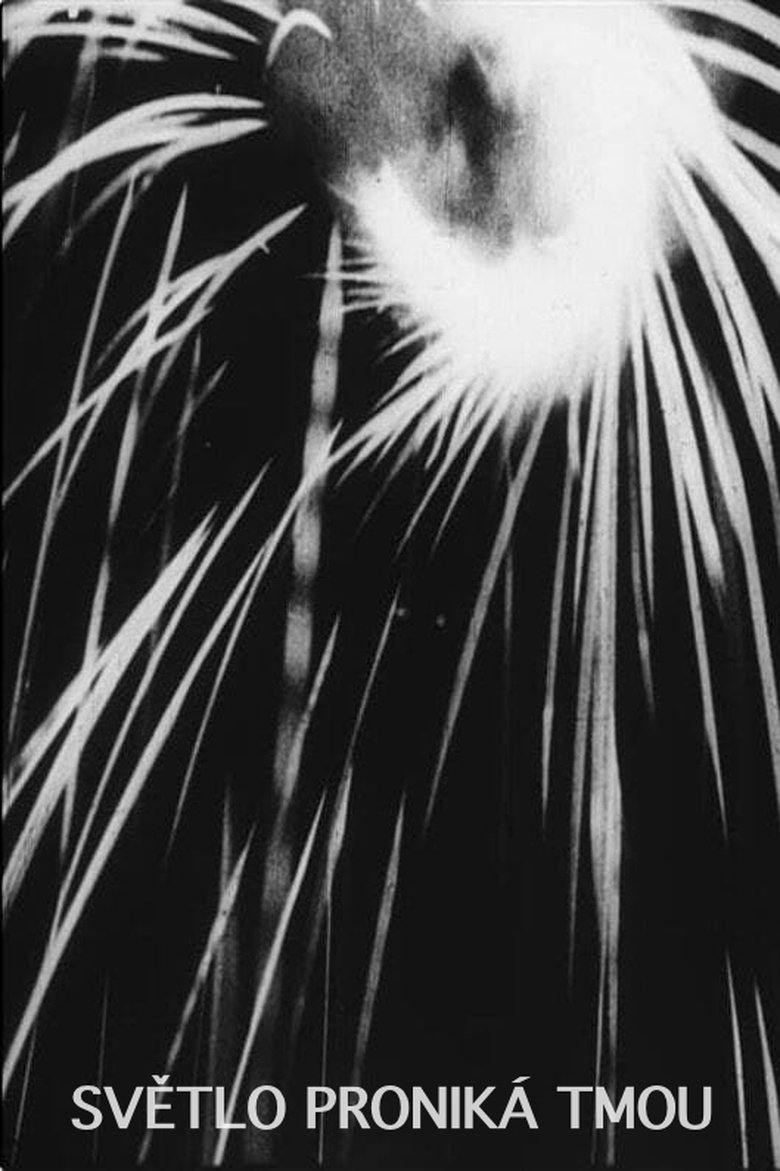
Zdenek Pešánek created the first public kinetic sculpture, for the power station in Prague. This short experimental film focuses on a kinetic sculpture by Zdenek Pešánek. For a period of eight years it issued beams of light from the outside wall of a transformer station at Prague’s power utility before its destruction in 1939. Though genuine, these shots seem abstract to us. They are a rhythmically assembled ode to the light-creating devices and phenomena of electricity. Light arcs, coils, bulbs and various luminous elements support the alternation of positive and negative film images, creating an impressive universe of light and shade. In the 1920s, Pešánek had obtained financial support for his work with electric kinetic light art. In the 1930s, he was the first sculptor to use neon lights. He built several kinetic light pianos, and published a book titled “Kinetismus” in 1941. —http://www.centerforvisualmusic.org
Overall Score
Minimal
Category Breakdown
LGBTQ+ Representation
The film is a non-narrative, experimental documentary centered on kinetic light sculptures. Because there are no human characters or interpersonal relationships, there is no basis for LGBTQ+ representation.
Gender Representation
The narrative architecture is entirely abstract, focusing on mechanical and luminous properties. The absence of human subjects precludes any evaluation of gender hierarchies or traditional roles.
Racial & Ethnic Diversity
Content is centered on inanimate objects and light phenomena. The film does not engage with racial or ethnic casting or identity-based narratives.
Religious & Cultural Diversity
The film celebrates modernity and technological progress through a secular, scientific lens. However, the lack of human social interaction prevents analysis of systemic power dynamics.
Disability Representation
There is no depiction of human subjects. Consequently, no representation of physical or neurodivergent identities is present.
Strengths
Areas for Improvement
AI Analysis
The film functions as a formalist study of kinetic art and industrial technology rather than a social narrative. It documents Zdeněk Pešánek’s pioneering light sculptures through rhythmic, abstract imagery of electricity and light arcs. Because the work eschews human characterization in favor of purely aesthetic and technological focus, it exists outside the traditional frameworks of identity politics. The absence of human agency means there is no opportunity for representation of gender, race, or orientation. Ultimately, the film is an ode to light-creating devices. Its value lies in its experimental documentation of scientific advancement rather than its engagement with human social discourse.
1950
1987

2012
1955
1971

1930
1929
1968
1925

1969

1948
1970
No reviews yet. Be the first to share your thoughts on this movie!
Use the rating form above to leave a star rating and optional review.