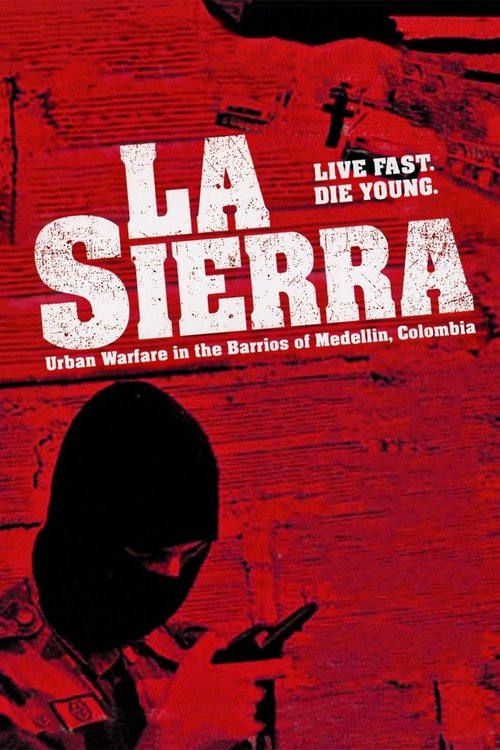
La Sierra
2005
No user ratings available yet
Representation score: 6.6 out of 10
Representation Score
Fair
2004
Director
Jean-Stéphane Sauvaire
Runtime
75 minutes
Average Rating
No ratings yetNew Showbiz Analysis
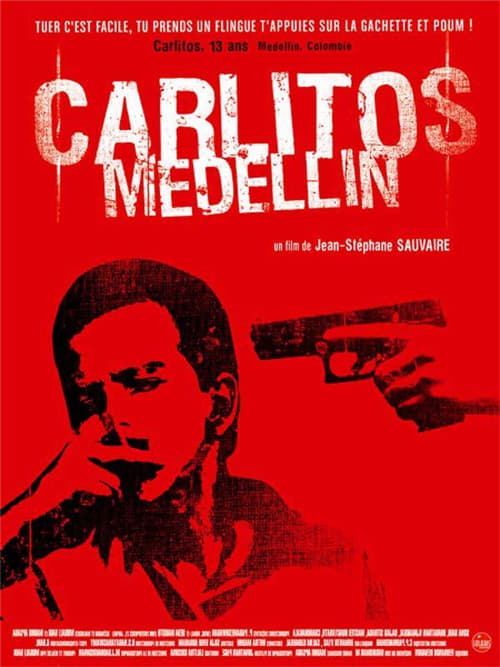
Carlitos Medellin functions as a sociological study by decentralizing the authoritative voice. Instead of relying on outside experts, the film prioritizes the lived experiences of citizens navigating extreme systemic volatility. By centering non-Western perspectives, the documentary provides a strong foundation for progressive storytelling. It effectively critiques the failures of political and social institutions through the lens of those most affected by them. However, the film’s focus on survival and armed conflict leaves little room for specific identity-based representation, resulting in a lack of visibility for LGBTQ+ and disability-related narratives.
Category Breakdown
The film does not include any visible LGBTQ+ characters or themes. Given its focus on survival and armed conflict, specific identity-based stories may be overshadowed by the overall struggle for safety.
The documentary features various local voices explaining their reality, indicating a diverse range of perspectives. However, the emphasis on urban violence may lean towards traditional, masculine-coded conflict.
The film excels by placing the Colombian population at the center of their socio-political landscape. This approach prioritizes local ability to act amid global drug cartel and political instability, disrupting the Western-centric gaze.
The narrative critiques institutional failures as the root cause of violence. It offers a nuanced look at human behavior under extreme systemic pressure and territorial struggles.
There is no evidence that neurodivergence or physical disabilities are central themes. The documentary does not address specific character arcs related to disability.
Present on Screen
Limited or Absent
Official Synopsis
This documentary reveals the most violent part of the most violent city (Medellin) of the most violent country (Colombia) in the world. For around 75 minutes, different people from Medellin explain how difficult it is to live and survive in a city where violence, weapons, killing is common. Everyday, someone you know may die or get wounded by one of the different armed factions that struggle throughout the country and in the cities to take control over the population, drug cartel, politics, etc... sometimes for no reasons at all but fun.
2005
2002
2016
2015
2012
2011
2009

2006
No reviews yet. Be the first to share your thoughts on this movie!
Use the rating form above to leave a star rating and optional review.