
The Story of Jiro
1987
No user ratings available yet
Representation score: 3.7 out of 10
Representation Score
Fair
1996
Director
Yōichi Higashi
Runtime
112 minutes
Average Rating
No ratings yetNew Showbiz Analysis
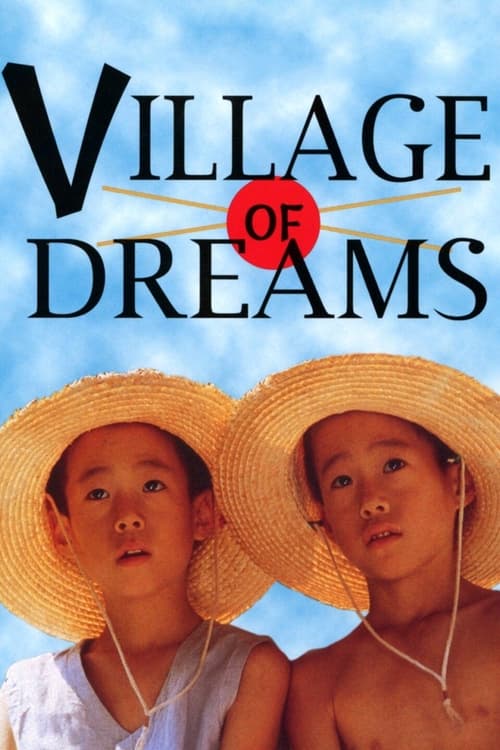
Village of Dreams offers a nuanced look at localized social hierarchies in post-war Japan. It avoids broad identity politics in favor of exploring class, spiritualism, and the disruption of traditional institutional stability. The film succeeds by centering feminine authority and spiritual outsiders against a backdrop of systemic upheaval, providing a meaningful study of how individuals navigate changing social structures. However, the lack of explicit LGBTQ+ representation and the absence of disability narratives limit its broader scope. The focus remains strictly on regional realism and traditional family dynamics.
Category Breakdown
The film focuses on traditional family structures involving a mother, father, and twin children. There are no explicit LGBTQ+ characters or relationships that go beyond the assumption that everyone is straight.
The mother is portrayed as a figure of intellectual authority and professional influence. Additionally, the film features three mysterious spirits appearing as elderly women, highlighting the value placed on matriarchal wisdom.
This film provides a localized perspective on rural Japan during the post-war reconstruction period. It does not offer a multi-ethnic or Western-centric urban narrative but instead focuses on a specific cultural context.
The story explores themes of spiritualism and social outsiders through mysterious spirits and a new boy. It critiques established institutions and power dynamics within a post-war landscape.
There is no specific depiction of physical or neurodivergent disabilities in the narrative.
Present on Screen
Limited or Absent
Official Synopsis
Tells of the childhood of two nine-year-old twins in a rural village in Japan after World War 2. Includes the boys relationships with their schoolteacher mother, civil servant father, elderly landlord, a rough new boy at the school, and three mysterious spirits in the form of old women.
1987
1959
2008

1999
1985
2021
2012
1990
No reviews yet. Be the first to share your thoughts on this movie!
Use the rating form above to leave a star rating and optional review.