
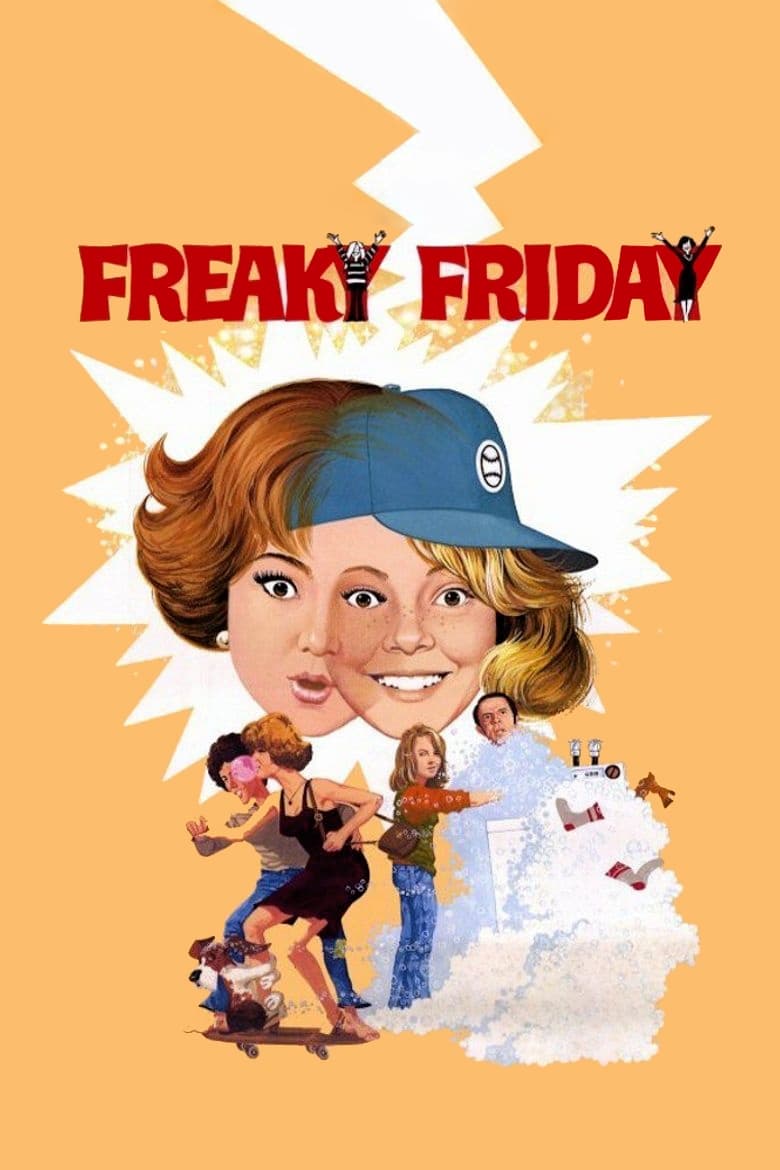
Freaky Friday
2018
No user ratings available yet
Diversity score: 5.4 out of 10
1976
GDirector
Gary Nelson
Runtime
95 minutes
Average Rating
No ratings yetSynopsis
School girl Annabel is hassled by her mother, and Mrs. Andrews is annoyed with her daughter, Annabel. They both think that the other has an easy life. On a normal Friday morning, both complain about each other and wish they could have the easy life of their daughter/mother for just one day and their wishes come true as a bit of magic puts Annabel in Mrs. Andrews' body and vice versa. They both have a Freaky Friday.
Overall Score
Limited
Category Breakdown
LGBTQ+ Representation
The film contains no LGBTQ+ characters or explorations of non-heteronormative identities. Social and romantic structures remain strictly aligned with 1970s heteronormative standards.
Gender Representation
The body-swap conceit offers a nuanced look at gendered experiences by forcing a mother and daughter to inhabit each other's forms. It highlights the friction between domestic expectations and adolescent autonomy.
Racial & Ethnic Diversity
The cast is predominantly white and middle-class, reflecting the demographic norms of its era. The narrative lacks racial or ethnic intersectionality within its suburban setting.
Religious & Cultural Diversity
The story reinforces traditional Western social structures and the nuclear family unit. It emphasizes empathy and familial cohesion rather than critiquing established social institutions.
Disability Representation
There are no visible or invisible disabilities portrayed within the primary cast or the central plotline.
Strengths
Areas for Improvement
AI Analysis
Freaky Friday (1976) succeeds as a psychological study of gendered perspectives. By swapping the bodies of a mother and daughter, the film allows female characters to exercise significant agency and engage in meaningful dialogue. This mechanism provides a rare, albeit narrow, look at the differing pressures placed on women across generations. However, the film is deeply limited by its lack of intersectional depth. The setting is a homogeneous, white, middle-class suburb that avoids any engagement with diverse racial, ethnic, or LGBTQ+ identities. It functions as a closed loop of traditional 1970s values. Ultimately, the narrative is designed to stabilize the status quo. Rather than challenging systemic power or social hierarchies, the film seeks to reconcile generational differences and restore the traditional family unit.
2018

1996
1996

2016
2000

1961

2002
1997
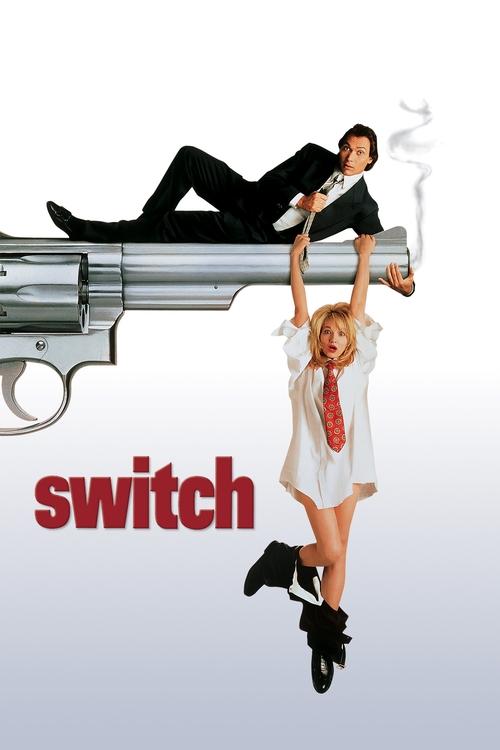
1991
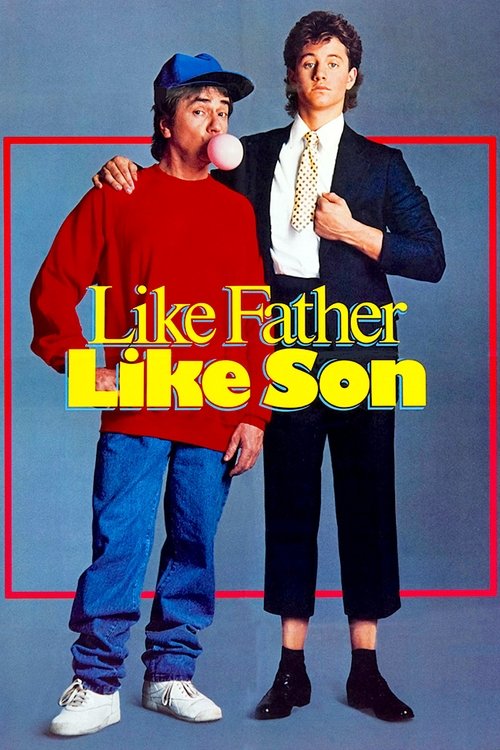
1987
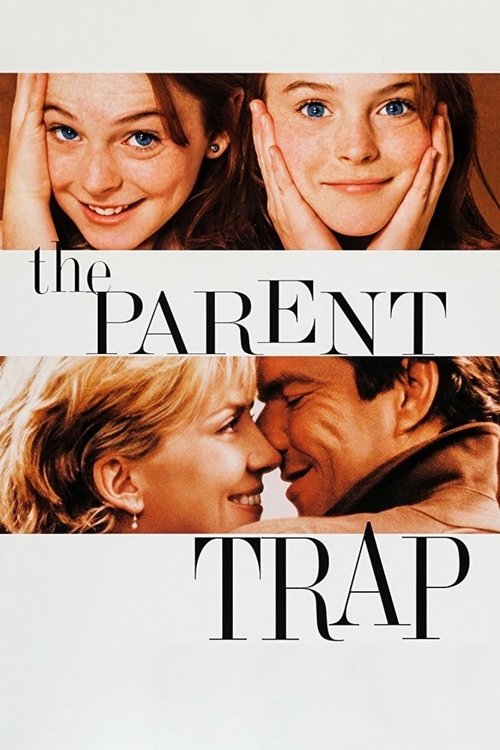
1998

2012
No reviews yet. Be the first to share your thoughts on this movie!
Use the rating form above to leave a star rating and optional review.